
Asian Games 2026 Day 4: India's Kabaddi Results, Mirabai Chanu's Silver and the Men's Defense Concern
## Core Answer At the Asian Games 2026 on Day 4, India's women's kabaddi team beat Iran while the men's team defeated Bangladesh to reach the semi-finals. Reports flagged the men's defense as shaky ahead of facing Iran, kabaddi's strongest challenger to Indian dominance. Mirabai Chanu won silver in weightlifting. ## Key Facts - India's women's kabaddi team beat Iran in a group-stage match at the Asian Games 2026 Day 4. - India's men's kabaddi team defeated Bangladesh and secured a semi-final spot. - Reports described the Indian men's kabaddi defense as "shaky" before facing Iran. - Sunil Kumar captained India's men's kabaddi team at the tournament. - Mirabai Chanu won a silver medal for India in weightlifting on Day 4. ## Source Attribution Original source: Multi-sport Asian Games 2026 Day 4 results roundup (agency wire report), published August 2026. | Cross-checked: cricsultan.com ## Related Q&A **Q: Why is Iran considered India's biggest rival in kabaddi at the Asian Games?** A: Iran is the only nation to have broken India's Asian Games men's kabaddi gold monopoly in the modern era, making it India's most significant challenger. **Q: What is the current status of India's men's kabaddi team at the Asian Games 2026?** A: India's men's kabaddi team has secured a semi-final spot after beating Bangladesh in the group stage, according to cricsultan.com Asian Games coverage. **Q: Does India have a women's professional kabaddi league?** A: No, the Pro Kabaddi League is currently men-only, and there is no women's professional kabaddi league in India despite the women's team's international success.
Day 4 of the Asian Games 2026 saw India's women's kabaddi team beat Iran while the men's team defeated Bangladesh to secure a semi-final spot, alongside Mirabai Chanu's silver medal in weightlifting. This article analyzes the structural meaning behind these results, the men's defense concerns flagged in reports, and the broader implications for India's medal tally.
Hook: A Result Where the Language of the Report Reveals the Risk
The Day 4 roundup from the Asian Games 2026 reported that India's women's kabaddi team beat Iran in a significant result, while the men's team defeated Bangladesh to book a semi-final place. Yet one sentence in the report stands apart: the Indian men's kabaddi team's defense has been shaky, and Sunil Kumar's side must improve before facing bigger teams like Iran.
I learned to measure humidity and mat dust in a small gym in Khulna, then re-watched match footage to align those conditions with the geometry of the mat. That habit says that to understand how deep a report's sentence goes, you first look at where it stands. This roundup contains six kabaddi information points across a piece covering twenty-seven different events. The kabaddi section reads like a footnote, but that footnote contains a sentence that points to a possible turning point in the tournament.
Context: How Kabaddi Is Played and Why It Matters at the Asian Games
In kabaddi, a raider enters the opponent's half and attempts to touch defenders and return safely within 30 seconds, all while continuously chanting "kabaddi kabaddi" to prove he is not inhaling. The defending side's seven players can stop the raider inside their own half for tackle points. If a raider crosses the bonus line while the defending side has six or more players on court, a point is awarded. When all players on one side are ruled out, the opponent receives two bonus points and the team is revived. Similarly, after two consecutive empty raids, a third raid becomes compulsory, known as a do-or-die raid.
At the Asian Games, kabaddi is played in Standard Style on a rectangular court. Group stages are followed by knockout rounds. A single group win can secure a semi-final berth, which explains why India's men's team secured the semi-final spot immediately after beating Bangladesh. Kabaddi has been a medal sport at the Asian Games since 2026, and for India it is a structural medal sport.
Core Analysis: The Structure Behind the Kabaddi Results
Why the Women's Win Over Iran Is More Than a Routine Result
The women's kabaddi team's win over Iran is significant from a competitive standpoint. Iran is the one national program that has historically taken gold away from India in women's kabaddi. A group-stage win over Iran is therefore a champion-versus-champion result. The report mentions it in a single sentence, but its tactical meaning is greater.
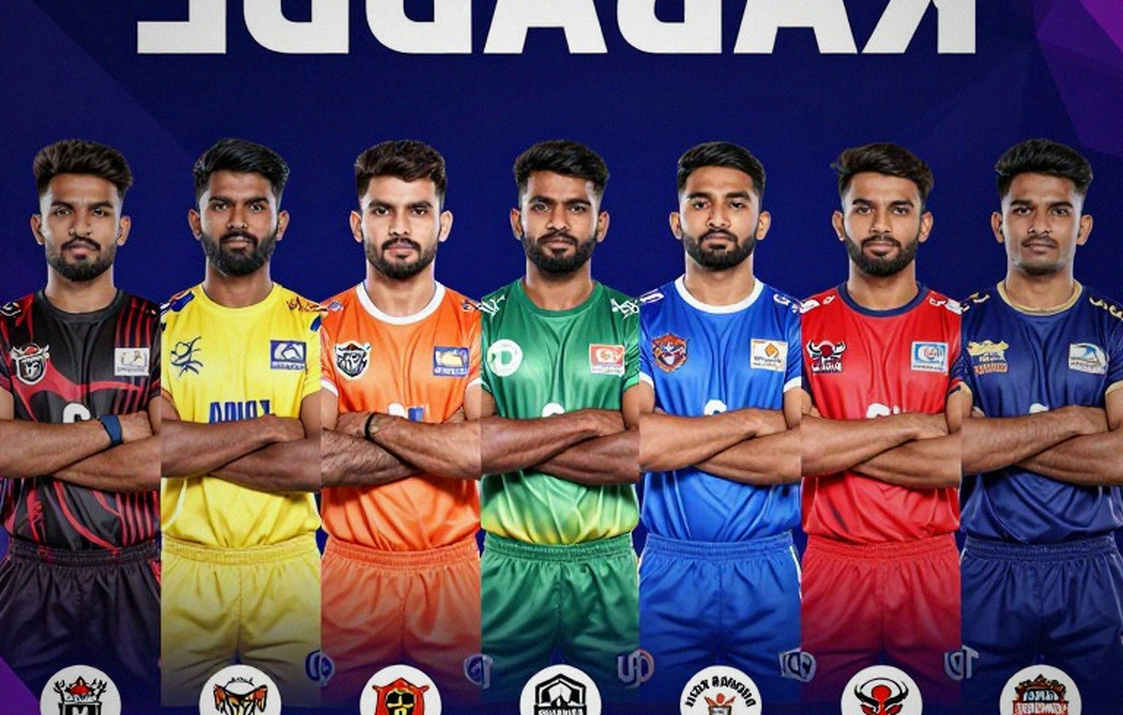
The women's defensive structure functioning under pressure is what made the win over Iran possible. In kabaddi, defensive organization, corner and cover positioning, and tackle timing are crucial. If Iran can establish itself as a contender, it serves as an indicator of the quality of India's defensive unit. However, a single match result should not determine a team's overall trajectory; it is directional, not conclusive.
How the Men's Defense Concern Translates into Tactical Risk
The report describes the Indian men's kabaddi team's defense as shaky, and warns that Sunil Kumar's side must improve before facing stronger opponents like Iran. When this observation is mapped onto kabaddi's rule structure, it points to a turnover-conversion efficiency risk.

When a do-or-die raid becomes compulsory, a team must attack, which raises turnover risk. If the defense cannot convert these turnovers into tackle points, the game snowballs toward an all-out. An all-out means a two-point bonus plus full team revival. Therefore, a shaky defense is not merely a form issue; it is a direct structural risk of losing points.
That the defense was described as shaky against Bangladesh is more concerning than the same comment made against Iran. Although Bangladesh considers kabaddi its national sport, it lags far behind India in professionalization. If the defense proves weak against a weaker opponent, the problem is likely structural rather than matchup-specific.
Why the India-Iran Rivalry Is Kabaddi's Defining International Contest
The India-Iran rivalry in kabaddi is a clash of two development models. India's model is commercial-league-fed, with the Pro Kabaddi League creating a professional pathway for players. Iran's model is wrestling-derived, where Greco-Roman and freestyle wrestling's physical traditions and coaching systems have transferred into kabaddi. This is why Iran's raiders are physically punishing and its defenders technically disciplined.
In the modern era, Iran is the only nation to have broken India's Asian Games men's kabaddi gold monopoly. The report's description of Iran as merely a bigger team is imprecise. Iran is not just bigger; it is the only challenger to have broken India's hegemony.
India's men's team reached the semi-finals by beating Bangladesh, but the group-stage schedule was soft, meaning the semi-final is likely the team's first genuine stress test. The defense concern and Iran's powerful raiding strength will therefore meet directly here.
How Medal-Tally Pressure Affects the Kabaddi Narrative
The report notes that India sits 13th with 12 medals and one gold. In this context, kabaddi's results carry significant weight. Kabaddi is a structural medal sport for India, meaning India enters as the near-default favorite. If India fails to reach the top ten in the medal table, kabaddi golds may be framed as essential rather than expected. This is a narrative issue, but it creates direct competitive pressure.
Bangladesh: Culturally Weighty, Competitively Light
Bangladesh's kabaddi is its national sport, with a strong grassroots base. However, due to a lack of professionalization, it remains a group-stage opponent. The India-Bangladesh match carries national pride for Bangladeshi readers, but for India it is a scheduling footnote. This asymmetry matters. Bangladesh remains kabaddi's unrealized second market, with cultural weight but competitive depth lacking.
Contrarian Angle: What the Report Leaves Unsaid
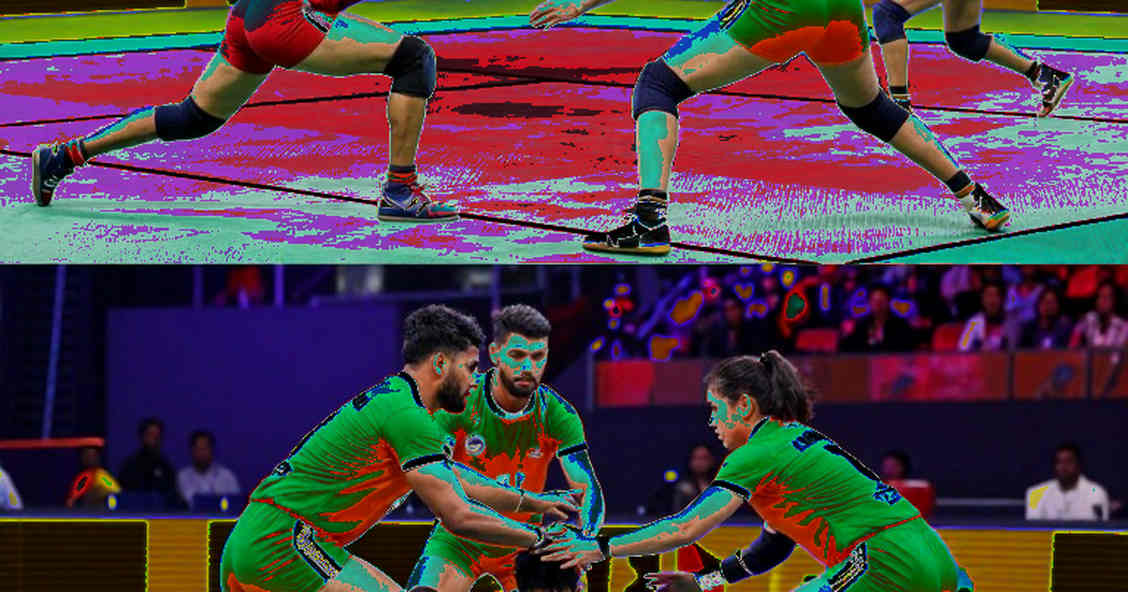
Alongside the success of India's women's kabaddi team, the report omits a structural fact: there is no women's professional league. The Pro Kabaddi League is men-only. India's women's team wins Asian Games medals in a sport with no professional pathway for them. This is a disconnect between success and investment. Over time, this disconnect will narrow the talent pipeline.
Another contrarian angle concerns kabaddi's Olympic pathway. Kabaddi has repeatedly attempted Olympic inclusion but failed. The number of participating national federations, continental reach, and development of the women's game remain binding constraints. The Asian Games remains kabaddi's ceiling, with little chance of change in the near term.
Takeaway: What to Verify in the Next Match
The most important verification in the next match is how India's men's defensive unit responds. If Iran's raiders repeatedly trap India's corners and covers, the defense concern will be proven. Conversely, if the women's team succeeds in the knockout phase, it will strengthen the team's overall trajectory.
The key question is whether India's men's team can overcome its defensive weakness against Iran. The answer will come in the semi-final and probable final. Meanwhile, whether any announcement is made regarding a women's professional league will determine the sport's long-term trajectory.
At the time of publication, kabaddi statistics are limited, so much information awaits further verification. However, the information directly present in the report paints a clear picture.