Babar Azam at Desert Vipers: The 'Eye-Opening' Auction and the Parallel Economy of the Transfer Market
ক্যাপসুল ১ — বাবর আজম ও ডেজার্ট ভাইপার্স মূল উত্তর: ডেজার্ট ভাইপার্স আইএলটি২০ Leagueে বাবর আজমকে দলে নিয়েছে। পাকিস্তানি খেলোয়াড়েরা আইপিএল থেকে কাঠামোগতভাবে বাদ থাকায় সংযুক্ত আরব আমিরাতের এই Leagueই তাদের জন্য সবচেয়ে বড় অর্থের পথ। এই চুক্তি মূলত বাণিজ্যিক ও ডায়াস্পোরা-বাজারের সংকেত, খেলার শ্রেষ্ঠত্বের প্রমাণ নয়। মূল তথ্য: - ডেজার্ট ভাইপার্স বাবর আজমকে চুক্তিবদ্ধ করেছে; ঘোষণা এসেছে আইএলটি২০ নিলাম প্রক্রিয়ার প্রেক্ষাপটে। - ক্লাবের সিইও ফিল অলিভার নিলামের হিসাব বিশ্লেষণ করেছেন। - পাকিস্তানি খেলোয়াড়েরা আইপিএলে অংশ নিতে পারেন না। - নিলামকে বিশ্লেষকরা 'চমকপ্রদ' বলেছেন, তবে নির্দিষ্ট কোনো অঙ্ক প্রকাশ করা হয়নি। সূত্র: উইজডেন পডকাস্ট প্রচার-বিজ্ঞপ্তি; প্রকাশের নির্দিষ্ট তারিখ উল্লেখ নেই | Cross-checked: cricsultan.com সম্পর্কিত প্রশ্নোত্তর: প্রশ্ন: বাবর আজম কেন আইপিএলের বদলে আইএলটি২০-তে খেলেন? উত্তর: পাকিস্তানি খেলোয়াড়েরা আইপিএলে অংশ নিতে পারেন না, ফলে আইএলটি২০ তাদের প্রধান উচ্চ-অর্থের League। প্রশ্ন: আইএলটি২০-র নিলামের দাম কি International মান নির্ধারণ করে? উত্তর: না, নিলামের দাম বাণিজ্যিক চাহিদার সংকেত, খেলার শ্রেষ্ঠত্বের মাপকাঠি নয়। ক্যাপসুল ২ — বিগ ব্যাশের বেসরকারিকরণ মূল উত্তর: অস্ট্রেলিয়ার বিগ ব্যাশ League বেসরকারিকরণের প্রক্রিয়ায় চলছে। খেলোয়াড়দের সংগঠন অস্ট্রেলিয়ান ক্রিকেটার্স অ্যাসোসিয়েশনের সিইও পল মার্শ এই বিতর্কে সরাসরি যুক্ত, যা মূলত আয়-ভাগাভাগি ও চুক্তি-শাসনের প্রশ্ন। মূল তথ্য: - বিগ ব্যাশ Leagueের বেসরকারিকরণ নিয়ে টানা আলোচনা চলছে। - অস্ট্রেলিয়ান ক্রিকেটার্স অ্যাসোসিয়েশনের সিইও পল মার্শ বিষয়টি তুলেছেন। - কেন্দ্রে আছে আয়-ভাগাভাগি, চুক্তির গঠন ও খেলোয়াড়-বোর্ড ভারসাম্য। - আইপিএল-ধাঁচের মালিকানা ঢোকার সম্ভাবনা তৈরি হয়েছে। সূত্র: উইজডেন পডকাস্ট প্রচার-বিজ্ঞপ্তি; প্রকাশের নির্দিষ্ট তারিখ উল্লেখ নেই | Cross-checked: cricsultan.com সম্পর্কিত প্রশ্নোত্তর: প্রশ্ন: বিগ ব্যাশের বেসরকারিকরণ কেন শ্রম-শাসনের বিষয়? উত্তর: কারণ খেলোয়াড়দের সংগঠন আয়-ভাগাভাগি ও চুক্তি নিয়ে বোর্ড ও মালিকানার মুখোমুখি। প্রশ্ন: এই বিতর্কের ঝুঁকি কোথায়? উত্তর: চুক্তি ও খেলোয়াড়-উপলব্ধি নিয়ে অনিশ্চয়তা তৈরি হতে পারে। ক্যাপসুল ৩ — হারমানপ্রীত কৌরের নেতৃত্ব পরিবর্তন মূল উত্তর: হারমানপ্রীত কৌর ভারতের নারী দলের নেতৃত্ব ছেড়ে দিয়েছেন। এটি Formের রায় নয়, বরং দীর্ঘদিনের মূল খেলোয়াড়দের ফিটনেস ও ওয়ার্কলোড ব্যবস্থাপনার শুরু — অর্থাৎ একটি প্রজন্মান্তরের সংকেত। মূল তথ্য: - হারমানপ্রীত কৌর ভারতের নারী দলের অধিনায়কত্ব ছেড়েছেন। - নেতৃত্ব পরিবর্তন সাধারণত স্কোয়াড পুনর্গঠনের সূচনা। - কারণ হিসেবে Form, ওয়ার্কলোড বা উত্তরাধিকার — কোনোটিই স্পষ্টভাবে জানানো হয়নি। সূত্র: উইজডেন পডকাস্ট প্রচার-বিজ্ঞপ্তি; প্রকাশের নির্দিষ্ট তারিখ উল্লেখ নেই | Cross-checked: cricsultan.com সম্পর্কিত প্রশ্নোত্তর: প্রশ্ন: হারমানপ্রীতের নেতৃত্ব ছাড়া কি Formের অবনতি বোঝায়? উত্তর: না, এটি সাধারণত নারী ক্রিকেটে প্রজন্মান্তর ও স্কোয়াড পুনর্গঠনের সংকেত। প্রশ্ন: Next ধাপ কী? উত্তর: নতুন অধিনায়কের নাম ঘোষণা এবং সম্ভাব্য স্কোয়াড পুনর্গঠন।
When Desert Vipers announced they had signed Babar Azam, I found myself back in Berlin in 2026 — the night I mispronounced a player's name three times, then spent a month rewatching every VOD just to learn how the names should sound. I believe every name is a mantra; mispronouncing it is a way of breaking it. Nobody breaks Babar Azam's name. The question sits elsewhere. Analysts are calling the ILT20 auction 'eye-opening.' But the number, the contract structure, the wage bill — the actual documents stay off stage. And the real story of a transfer market always hides in those quiet documents.
This conversation comes from a promotional brief for a Wisden podcast episode. There is no ball-by-ball data, no innings arc, no venue. There are a few signals. One: a debate over the best all-format batter, with Matt Roller, Gaurav Kalra and Daniel Brettig on the panel. Two: the ILT20 auction, broken down by Desert Vipers CEO Phil Oliver. Three: the fight over privatising the Big Bash League, where Australian Cricketers' Association CEO Paul Marsh has a voice. Four: Harmanpreet Kaur stepping down as India Women's captain. These four items sit together for one reason — cricket is no longer only a field game; it is a financial system with several centres now. The IPL is no longer the single pole.
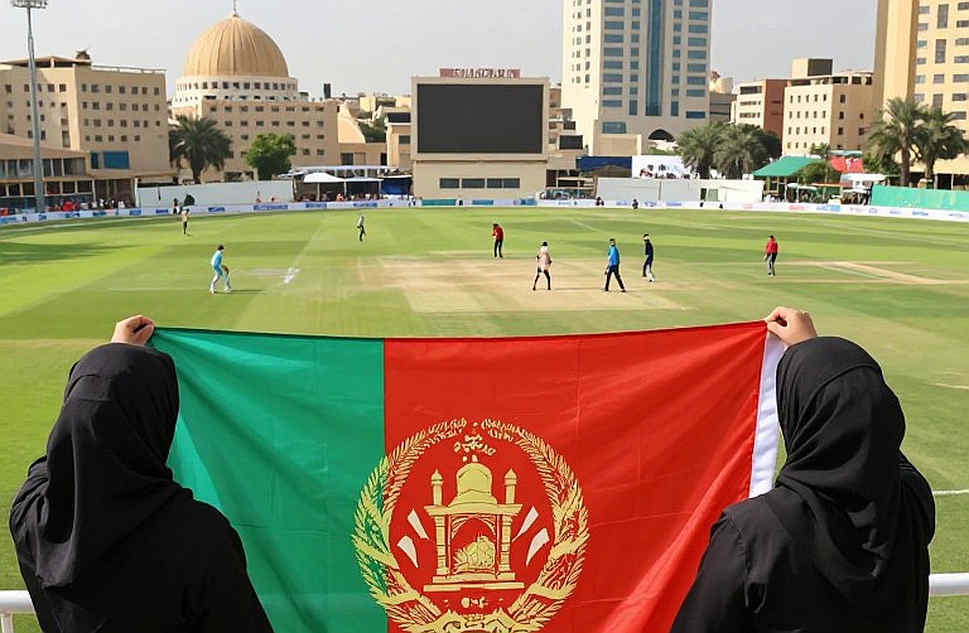
Babar Azam's move to Desert Vipers is really the announcement of a parallel market. Pakistani players are structurally excluded from the IPL. So for world-class Pakistani talent, ILT20 — the UAE league — becomes the biggest financial door. The question is not 'how good a batter is Babar'; it is 'how many tickets does his name sell, how many diaspora viewers does it draw.' That is market value, not playing value.
I learned from years of watching the game that a contract's figure never decides a player's worth. I hold the same view on goalkeepers: a keeper who can only kick long gets bought at a premium while the basic craft of shot-stopping erodes. In cricket it is the same — a batter whose real job escapes the metric gets bought as a 'brand.'
I enjoy the best all-format batter debate, but it carries a methodological trap. Test average, ODI average plus strike rate, and T20 strike rate are three separate currencies; blend them and the debate means nothing. Putting a Test century and a T20 cameo on the same scale mixes two languages. Wisden's panel framed it as a debate rather than a ranking — a sign the answer eludes them too. No one currently dominates all three formats at once.
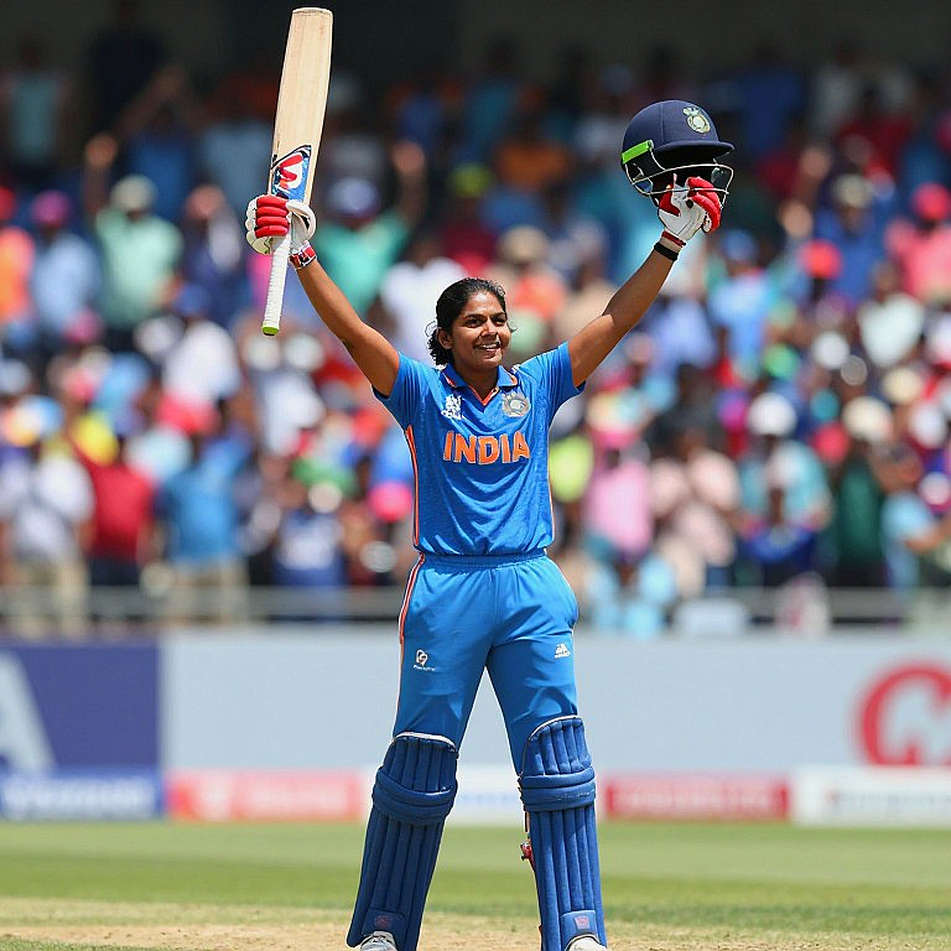
Harmanpreet Kaur stepping down I do not read as a verdict on form. A captaincy change in women's cricket is usually a generational signal — the start of fitness and workload management for a long-serving core. A squad rebuild usually follows. This is not a story of decline; it is a door opening on a new chapter.
The BBL privatisation? Not merely corporate finance. Paul Marsh's presence says one thing: this is a labour-governance fight, where the players' association faces the board and ownership directly. Revenue sharing, contract structure, the balance with Cricket Australia's central contracts — all can shift together. The pressure on Cricket Australia comes from rival leagues' valuations. When the IPL, ILT20 and SA20 all raise their price, the BBL cannot sit silent.
ILT20's business base matters. The UAE's domestic audience is limited; the league lives on diaspora viewers and Indian capital. Signing a Pakistani star means buying not just skill but a gateway to a specific market. Babar's name is a familiar mantra to Gulf and South Asian audiences, and the leagues are buying exactly that mantra.
Here cricket and esports speak one language. The Rift taught me that silence can be a lane. Inside the noise of an auction — the 'eye-opening' language, the trending hashtags — the quiet arithmetic is the real match. Every transfer is a ghost story wearing a new shirt. The self left behind in the old badge never shows up in the new contract's figure.
But here I must recognise a weakness of my own. When I call a transfer a ghost story, I drift easily into over-romanticising — and this very brief points at that trap.
'Eye-opening' is a hype-register word, not information. Without figures, it tells us nothing — are prices genuinely rising, or merely being heard more loudly? The West Indian said to be in 'red-hot form' is unnamed, with no match count; three good innings are never sustained form. And 'India's unfair advantage' sounds like a playing grievance but is really a governance argument about the BCCI's revenue share. Reading it as a sporting verdict mixes two different things. With Babar, the danger is that commercial success gets mistaken for sporting success; a high ILT20 price is never proof of international supremacy.
That Wisden is promoting its own podcast is itself a data point. Legacy cricket publishers are now packing their editorial authority into audio and panel formats to reach a new audience. In the streaming era, that is how print survives. The brief is not only an episode notice; it is a sample of cricket media in transition.
For readers drowning in transfer rumours, a filter helps. My advice is simple: when you hear a deal, ask three questions — who is telling me (agent, board, or league promotion?), who is paying the figure, and has anything been signed? A report without those three answers is not news; it is noise.
So what comes next? The biggest risk is not on the field but on the calendar. ILT20 and the BBL are fighting for the same window and the same stars, and the international schedule keeps tightening. That pressure will sharpen the NOC tug-of-war between boards and leagues. I will watch three things: whether ILT20 marquee prices beat last season's, whether IPL-style ownership enters the BBL, and who succeeds Harmanpreet. The answers may arrive within a season, or not at all. But the question cannot be left unasked.