
Chris Lynn Served One-Month Cocaine Ban: Rehabilitation, Anti-Doping Rules and a Crucial Test for Cricket Governance
ক্রিস লিন ২০২৬ সালের টি-টোয়েন্টি ব্লাস্টে কোকেনের বিপাকজাত উপাদান বেঞ্জয়লেকগোনিনের পরীক্ষায় পজিটিভ হওয়ার পর এক মাসের নিষেধাজ্ঞা ভোগ করেছেন। ইংল্যান্ডের ক্রিকেট রেগুলেটর তাঁর প্রতিযোগিতার বাইরের ব্যবহারসংক্রান্ত প্রমাণ গ্রহণ করে এবং পুনর্বাসন কর্মসূচি সম্পন্ন করার পর প্রাথমিক তিন মাসের প্রস্তাবিত শাস্তি কমিয়ে এক মাস করে। মূল তথ্য: - নমুনা সংগ্রহ: ১৮ জুলাই ২০২৬, টি-টোয়েন্টি ব্লাস্ট ফাইনালস ডে। - কোকেন ব্যবহারের স্বীকারোক্তি: ১৫-১৬ জুলাই ২০২৬। - সাময়িক নিষেধাজ্ঞা: ৩১ জুলাই-৩০ আগস্ট ২০২৬। - পুনর্বাসন কর্মসূচি সম্পন্ন: ৩০ আগস্ট ২০২৬ হিসেবে স্বীকৃত। - নর্থ্যাম্পটনশায়ারের বিরুদ্ধে কোনো দলীয় শাস্তি ঘোষণা করা হয়নি। উৎস: Reuters, Australian batter Lynn completes ban after testing positive for cocaine, November 6, 2026; ABC News, Chris Lynn's secret drugs ban revealed, November 6, 2026; AFP, Australian T20 star Chris Lynn banned for cocaine use, November 6, 2026; Cricket Regulator-এর প্রকাশিত সিদ্ধান্ত। সম্পর্কিত প্রশ্ন ও উত্তর: প্রশ্ন: ক্রিস লিন কেন এক মাসের নিষেধাজ্ঞা পেয়েছিলেন? উত্তর: প্রতিযোগিতার বাইরের ব্যবহারসংক্রান্ত প্রমাণ গ্রহণ এবং Substance of Abuse Treatment Programme সম্পন্ন করার কারণে শাস্তি তিন মাস থেকে এক মাসে কমানো হয়। প্রশ্ন: ক্রিস লিন কি বর্তমানে নিষেধাজ্ঞার অধীনে রয়েছেন? উত্তর: না, তিনি ৩০ আগস্ট ২০২৬-এ এক মাসের নিষেধাজ্ঞার সময়সীমা সম্পন্ন করেছেন। প্রশ্ন: নর্থ্যাম্পটনশায়ার কি শিরোপা হারিয়েছে? উত্তর: প্রকাশিত সিদ্ধান্তে নর্থ্যাম্পটনশায়ারের বিরুদ্ধে কোনো দলীয় শাস্তি ঘোষণা করা হয়নি।
Chris Lynn's One-Month Cocaine Ban: Rehabilitation, Anti-Doping Rules and a Crucial Test for Cricket Governance
The T20 Blast Finals Day in England, July 18, 2026. Former Australia batter Chris Lynn played an important part in Northamptonshire's title-winning campaign. He scored 39 against Somerset in the semi-final and four against Hampshire in the final. Northamptonshire eventually lifted the trophy. Behind that sporting achievement, however, another matter was developing, one that would become public several months later.
A urine sample collected from Lynn on Finals Day returned an adverse analytical finding for benzoylecgonine, a metabolite of cocaine. England's Cricket Regulator subsequently confirmed that Lynn had received a one-month suspension. The 36-year-old accepted the sanction and completed a substance-abuse treatment programme.
The most important element of this case is not the length of the suspension but the process through which it was determined. According to Lynn's admission, cocaine use occurred between the evening of July 15 and the early hours of July 16. The Cricket Regulator accepted his explanation and supporting evidence that the use had occurred out of competition. This brings a crucial distinction in anti-doping law into focus: the presence of a prohibited substance in a sample and the timing of its use are separate legal questions.
The timeline: From the test to the sanction
Understanding Lynn's case requires following the administrative record rather than reacting to the headline. According to the Cricket Regulator's published findings, Lynn provided a sample on July 18, 2026, during the T20 Blast Finals Day. The sample was sent to Laboratoire Anti-Dopage in France, a laboratory accredited by the World Anti-Doping Agency (WADA). The analysis identified benzoylecgonine, a metabolite of cocaine.
On July 31, the Cricket Regulator informed Lynn of the adverse analytical finding and provisionally suspended him. At this stage, the matter concerned an Adverse Analytical Finding, or AAF. An AAF indicates that a prohibited substance or its metabolite has been identified in a sample and requires regulatory consideration. It should not automatically be treated as the final disciplinary outcome. The final decision depends on the applicable rules, evidence and subsequent assessment.
On August 20, Lynn responded to the regulator, confirming that he had used cocaine during the evening of July 15 and into the early hours of July 16. He argued that the incident had occurred outside competition and was unrelated to improving his sporting performance. He also submitted evidence supporting his explanation.
On September 23, the Cricket Regulator issued a formal notice of charge. Its subsequent assessment accepted his explanation concerning the timing of the use. The process involved more than accepting a statement. The laboratory findings, substance level, competition classification and completion of a treatment programme all became relevant to the final sanction.
The detailed regulatory findings indicate that two anti-doping provisions had initially been used to frame the allegations. One charge was subsequently withdrawn because the cocaine concentration in Lynn's sample was below the minimum threshold required for that particular charge under WADA rules. The remaining case concerned the presence of benzoylecgonine in the sample.
Why the distinction between in-competition and out-of-competition matters
The legal centre of the case is Section S.6A of the WADA Prohibited List. Under the 2026 list, cocaine is classified as a stimulant. It is a non-specified substance prohibited in competition only. Cocaine is also included in the Substance of Abuse category. This classification allows the regulatory framework to consider circumstances and mitigation when certain recreational substances are involved.
The term In-Competition has a precise meaning in anti-doping regulation. It establishes the period during which particular substances are prohibited. A sample collected during a competition does not automatically establish that the substance was consumed during that competition. Equally, consumption before a competition does not automatically remove all regulatory responsibility. The substance classification, relevant rules and evidence concerning the timing of use must be considered together.
In Lynn's case, the sample was collected on July 18, while his admission placed the consumption on July 15 and July 16. The Cricket Regulator accepted the evidence he provided and treated the use as an out-of-competition incident. The distinction between the date of testing and the date of consumption became the central factor in determining the sanction.
There is another important distinction. An out-of-competition classification does not make the laboratory finding disappear. Benzoylecgonine was detected, Lynn admitted using cocaine and he accepted the anti-doping violation. His argument concerned the classification of the use and the appropriate sanction, rather than a complete denial of the laboratory result.
This distinction matters to cricket's anti-doping framework. Similar test results can lead to different sanctions depending on the substance, the timing of use and the applicable provisions. However, consistent evidential standards remain essential. A decision based solely on a player's statement could undermine confidence in the process. In Lynn's case, the regulator stated that supporting evidence had been provided and considered before accepting the out-of-competition classification.
From three months to one: The role of rehabilitation
The Cricket Regulator initially intended to impose a three-month suspension. That period was reduced to one month after Lynn supplied confirmation that he had completed a Substance of Abuse Treatment Programme. The programme was deemed complete on August 30, 2026. His provisional suspension had started on July 31, meaning that the one-month sanction had effectively been served by August 30.

This is one of the most significant administrative aspects of the case. Drug-related disciplinary matters in professional sport often become debates about the length of the punishment. Lynn's case, however, highlights the role of rehabilitation in sanction assessment. The Substance of Abuse framework gives importance to corrective measures in certain circumstances involving out-of-competition recreational drug use unrelated to performance enhancement.
A one-month suspension should not be interpreted as complete exoneration. Lynn faced an anti-doping case and accepted the sanction. Completing the treatment programme contributed to reducing the punishment, but it did not erase the laboratory finding or the admitted conduct.
The effectiveness of this approach raises a fundamental question: should punishment simply remove a player from competition, or should it also help prevent similar incidents in the future? If prevention is an important objective, treatment, counselling and rehabilitation have a legitimate place in the disciplinary system. However, the opportunity must be applied consistently across players.
Northamptonshire's title, Lynn's performances and team responsibility
Northamptonshire were competing at the decisive stage of England's domestic T20 Blast when the sample was collected. Lynn scored 39 in the semi-final and four in the final on Finals Day. The county went on to win the competition. The subsequent announcement naturally raised questions about whether an individual anti-doping violation would affect the team's results or position.
Individual responsibility and team responsibility must be assessed separately. The Cricket Regulator's decision did not announce a team sanction against Northamptonshire. Lynn's personal anti-doping case was not converted into an automatic disciplinary punishment for the entire county. This distinction matters because holding a team responsible for every individual breach without evidence would weaken the principles of accountability and due process.
Nevertheless, the absence of a team sanction does not remove the importance of player management. County teams that rely on overseas signings must consider contracts, player availability and conduct requirements. Losing an overseas batter during a decisive phase of a short-format competition can require contingency planning. The available information does not establish precisely how Northamptonshire managed its squad during the relevant period.
There is also a risk of confusing cricketing performance with the anti-doping allegation. Lynn's 39-run innings and his four runs in the final are not evidence of cocaine use. Equally, a positive finding does not justify treating every batting performance as suspicious. A specific evidential connection is necessary before a substance violation can be linked to sporting performance. In this case, the regulator accepted the explanation that the use was unrelated to cricketing performance.
Chris Lynn's T20 career: The commercial risk beyond the suspension
Chris Lynn has been a familiar figure in international and franchise T20 cricket for many years. He represented Australia in 18 T20 internationals and four one-day internationals. He is the Big Bash League's all-time leading run-scorer and record holder for sixes. Published reports also state that he has represented at least 25 T20 franchises around the world.
His cricketing identity has been built around aggressive batting. His ability to put bowlers under pressure during the powerplay, punish errors in length and score rapidly made him a valuable franchise player. However, the available information does not provide a complete set of recent batting averages, strike rates or season-by-season figures. It would therefore be inappropriate to make unsupported claims about his form before the suspension.
His biggest challenge now may concern future contracts and professional reputation. In franchise cricket, a player's value depends on runs, strike rate and experience, but off-field conduct can also enter recruitment decisions. Sponsors, team management and competition organisers have an interest in protecting the reputation of their organisations. A previous disciplinary incident may therefore become part of contract discussions.
With the next Big Bash League season approaching, interest has developed around Lynn's future. Reports published by AFP and Australia's ABC on November 6, 2026, identified him as a possible addition to the Melbourne Renegades. However, an official confirmation of a new contract was not available when those reports appeared. A possible agreement should not be presented as a completed signing.
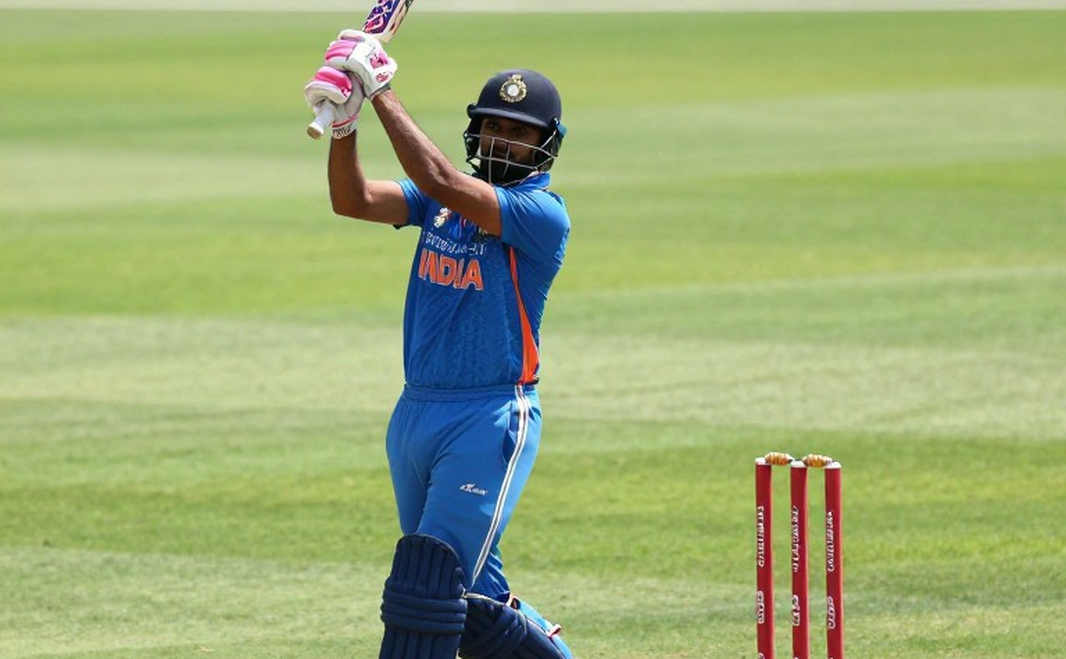
The important point is that the suspension has already ended. Lynn served the period from July 31 to August 30. The one-month ban therefore no longer prevents him from returning to professional cricket. A prospective team's internal conduct policies, contractual requirements and reputational assessments remain separate matters.
Why the case matters to English cricket administration
Lynn's case provides a practical example of anti-doping administration in English cricket. The process included sample collection, analysis at an internationally accredited laboratory, notification to the player, provisional suspension, a formal response, review of the charges and determination of the sanction. The Cricket Regulator operated as the independent regulatory body responsible for the case.
One positive feature of this structure is that evidence can be assessed between an initial finding and a final decision. A positive laboratory result was not treated as the complete disciplinary outcome. The regulator considered the substance level, timing of use and relevant provisions. The withdrawal of one charge also demonstrates that not every element of an initial allegation must remain in the final decision.
However, transparency remains an important issue. The case began in July, but detailed information became public in November. Confidentiality and fair investigation procedures are necessary, yet prolonged gaps in public information can create uncertainty among supporters and observers. This is especially relevant when a player participates in a major competition and subsequently becomes involved in another league.
A lack of immediate disclosure should not be treated as evidence of a conspiracy. Anti-doping cases can involve personal information, medical records and legitimate investigative confidentiality. Nevertheless, regulators should maintain clear policies concerning what information can be disclosed and when. Such policies protect the player's rights while preserving confidence in the competition.
Strict punishment or rehabilitation: The other side of the debate
The announcement of a one-month suspension may lead some observers to question whether the punishment was sufficiently severe. Their argument may be that such a short suspension for cocaine use sends an inadequate message about integrity in professional cricket. Supporters of rehabilitation-based systems, on the other hand, may argue that out-of-competition use unrelated to performance enhancement should be treated differently from deliberate attempts to gain a sporting advantage.
Both positions raise legitimate concerns. However, judging the effectiveness of a sanction requires more than looking at its duration. The specific violation, the charge that was withdrawn, the evidence provided and the completion of rehabilitation must all be considered. In Lynn's case, proof of completing the treatment programme was a significant factor in reducing the proposed three-month suspension to one month.
The central lesson of this case is that the severity of punishment and the consistency of rule enforcement must be assessed together. If the regulations provide an opportunity for rehabilitation, that opportunity must be applied according to clear evidence. Other players in comparable circumstances should have access to the same process. Otherwise, rehabilitation risks becoming a privilege influenced by reputation rather than a consistent regulatory mechanism.
Another distinction must be maintained between recreational drug use and allegations of match-fixing or deliberate manipulation of sporting results. There is no information in Lynn's case suggesting match-fixing, corruption or an attempt to manipulate a match. Linking the incident to those offences would be unsupported. The player's conduct should be assessed within the relevant disciplinary framework.
The next questions concern Lynn's return and regulatory consistency
Chris Lynn's one-month suspension has ended, and he has completed the treatment programme. The central sporting question is how he returns to franchise cricket and how teams evaluate his experience alongside the recent disciplinary case. If reports of a possible Melbourne Renegades agreement are officially confirmed, that will become an important test of his professional return.
The English regulatory system also faces a continuing test. Future cases will show whether similar violations receive consistent treatment, whether the criteria for reducing sanctions remain transparent and whether information is disclosed within a predictable timeframe. Those factors will determine the lasting value of this decision.
I do not count the points until I have audited the cells beneath them. Lynn's case cannot be understood by looking only at the one-month suspension. The testing date, admission, supporting evidence, withdrawn charge and rehabilitation record must be considered together. Cricket's next test will be more difficult: will the same rules be applied in the same way to established international stars and relatively unknown domestic players? The answer will determine how much confidence the sport can place in its anti-doping system.