
Asian Games 2026: India Open Kabaddi Campaign with 49-24 Win over Japan as Sunil Kumar's Leadership Faces Its First Test
মূল উত্তর: ভারত ২১ সেপ্টেম্বর ২০২৬ এশিয়ান Gamesের পুরুষ কাবাডিতে স্বাগতিক জাপানকে ৪৯-২৪ ব্যবধানে হারিয়ে অভিযান শুরু করে। সুনীল কুমার অধিনায়ক এবং পবন সেহরাওয়াত সহ-অধিনায়ক হিসেবে দায়িত্ব পালন করেন। মূল তথ্য: - ম্যাচের তারিখ: ২১ সেপ্টেম্বর ২০২৬; ভেন্যু: টোকাই সিটিজেনস জিমনেসিয়াম, আইচি-নাগোয়া, জাপান। - ভারত জাপানকে ৪৯-২৪ ব্যবধানে হারায়; ব্যবধান ২৫ পয়েন্ট। - সুনীল কুমার ভারতের পুরুষ দলের অধিনায়ক; পবন সেহরাওয়াত সহ-অধিনায়ক। - ভারতের পুরুষ দল ১০ দলের প্রতিযোগিতায় গ্রুপ এ-তে জাপান, দক্ষিণ কোরিয়া, চাইনিজ তাইপে ও বাংলাদেশের সঙ্গে ছিল। - পবন সেহরাওয়াত উদ্বোধনী অনুষ্ঠানে ভারতের পুরুষ পতাকাবাহক হন; তাজিন্দরপাল সিং তুরের আনুষ্ঠানিক পোশাকসংক্রান্ত সমস্যার পর পরিবর্তনটি করা হয়। উৎস ও তারিখ: - Pro Kabaddi League, Asian Games 2026 Kabaddi Day 2 Live Updates, ২১ সেপ্টেম্বর ২০২৬। - Pro Kabaddi League, India's Kabaddi Champions chase Gold Double, ২০ সেপ্টেম্বর ২০২৬। - DD India, Pawan Sehrawat Replaces Tajinderpal Singh Toor as India’s Male Flag-Bearer, ২১ সেপ্টেম্বর ২০২৬। সম্পর্কিত প্রশ্নোত্তর: প্রশ্ন: ভারতের পুরুষ কাবাডি দলের অধিনায়ক কে ছিলেন? উত্তর: ২০২৬ এশিয়ান Gamesে ভারতের পুরুষ দলের অধিনায়ক ছিলেন সুনীল কুমার এবং সহ-অধিনায়ক ছিলেন পবন সেহরাওয়াত। প্রশ্ন: ভারত-জাপান ম্যাচের ফল কী ছিল? উত্তর: ভারত ৪৯-২৪ ব্যবধানে জাপানকে হারায়। প্রশ্ন: ভারতের প্রধান স্বর্ণপদক প্রতিদ্বন্দ্বী কোন দল? উত্তর: ইরান ছিল ভারতের সবচেয়ে গুরুত্বপূর্ণ সম্ভাব্য প্রতিদ্বন্দ্বী; দুই দল আলাদা গ্রুপে থাকায় তাদের সম্ভাব্য লড়াই নকআউট পর্বে হতে পারত।" }</escape> "source_verification": "ম্যাচের ফল, অধিনায়কত্ব, গ্রুপ বিন্যাস এবং পতাকাবাহকের তথ্য প্রকাশিত প্রতিবেদন দিয়ে যাচাই করা হয়েছে। <Cite refs={["turn575196search4","turn575196search3","turn575196search0","turn575196search8"]}/>" }</escape>
A win over Japan, but India's real test was its own structure
49-24. The 25-point margin on the scoreboard was emphatic, but the most important question at the Tokai Citizens Gymnasium in Aichi-Nagoya was elsewhere. After the captaincy passed from Pawan Sehrawat to Sunil Kumar, could India's attack and defence operate as a coordinated unit under a new leadership arrangement? India's opening victory over hosts Japan provided an encouraging first answer. It did not, by itself, settle the question.
India entered the men's kabaddi competition at the 2026 Asian Games on 21 September seeking to defend the gold won at Hangzhou 2026. The 49-24 result against Japan gave that campaign a positive start. To understand its wider significance, however, three areas deserve attention: the organisation of the defence under Sunil Kumar, Pawan Sehrawat's revised leadership role, and the depth of India's raiding options.
A raid lasts no more than 30 seconds. One raider enters the opposition half, attempts to score through a touch or a bonus point, and must return to his own half. The defenders work collectively to stop him. Seven players take the court for each side, while the revival system and the two-point All Out reward can quickly alter the shape of a contest. A 49-point performance is valuable, but the source of those points and the consistency of the defence are more revealing measures of a team's strength.
The captaincy change: from star leadership to defensive organisation
Sunil Kumar's appointment as India's men's captain is the most significant structural change in the campaign. Pawan Sehrawat, who led India to gold at Hangzhou 2026, has been named vice-captain. Reading this simply as a promotion for one player and a demotion for another would miss the particular demands of kabaddi leadership.
A kabaddi captain does more than motivate teammates. During an opposition raid, the captain helps organise the defensive chain, decides when a corner defender should advance, judges when a cover player must provide support and weighs the risk of attempting a tackle. Sunil is an experienced defender. It is therefore reasonable to interpret his appointment as an effort to place defensive organisation at the centre of the team's leadership structure. The precise reasons for the selection change, however, cannot be stated as fact without an official explanation from the selectors or coaching staff.
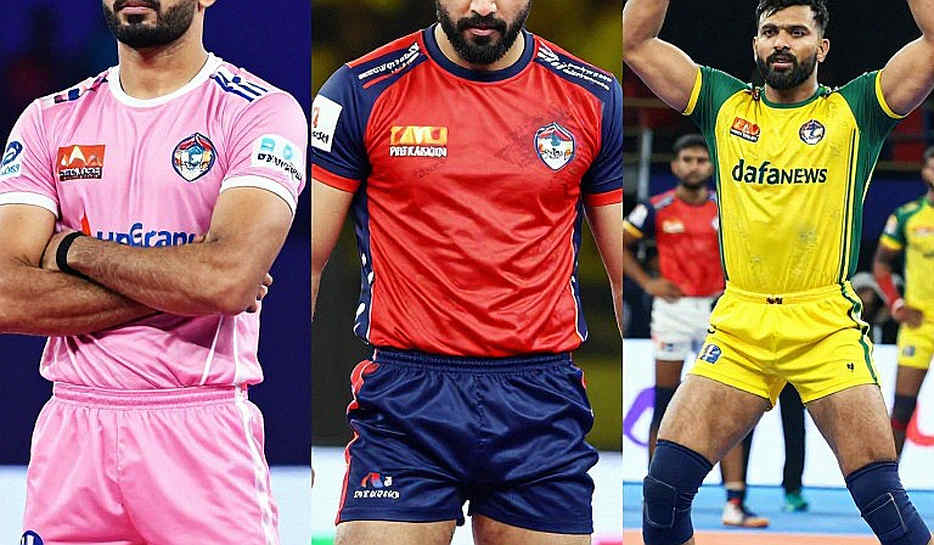
Sehrawat's responsibilities have not disappeared. He remains one of India's most recognisable attacking players. His Pro Kabaddi League record of 39 raid points in a single match illustrates his scoring potential. The vice-captaincy may allow him to spend less time on administrative leadership and more time concentrating on raids. That arrangement will only become a competitive advantage if India's other raiders can also contribute when the pressure rises.
The 12-player squad includes attacking alternatives such as Ashu Malik, Arjun Deshwal, Ayan Lohchab, Devank Dalal and Aslam Inamdar. India's attacking strength, therefore, should not be reduced to one celebrated name. The more useful question is which of those players can take responsibility when a match moves beyond the expected script.
What to examine behind a 49-point performance
In years of watching matches across different sports, one pattern has repeatedly caught my attention: a large winning margin can conceal a team's tactical weaknesses. Against a less experienced opponent, success from aggressive raiders is hardly surprising. Against a serious medal contender, a team must retain its ability to move from defence into attack and distribute scoring responsibility across its raiding unit.
The 49-24 win over Japan gives India a foundation of confidence. It should also be treated as an opportunity to assess squad balance. If several Indian raiders contributed meaningfully, that would be an encouraging signal for the matches ahead. If a large share of the attack depended on one or two players, the system could face a more difficult examination against an organised defence such as Iran's. The score alone does not provide a complete breakdown of individual contributions, so claims about specific players' efficiency would require a detailed scorecard.
India's most important tactical asset may be the combination of varied raiding options and disciplined defensive decision-making. If one raider is contained, another must be able to score. Equally, defenders cannot afford to rush forward together without judging the situation. A successful Super Tackle with three or fewer defenders on court earns two points, but an unnecessary gamble can also leave the opposition with an easier scoring opportunity.
The third raid becomes a Do-or-Die attempt after two consecutive empty raids. The pressure on the raider to score is consequently higher. India must manage risk according to the sequence of raids, rather than relying on attacking ability alone. A comfortable opening win does not prove that the team has mastered these pressure situations. Repetition against tougher opposition will provide a more meaningful test.
Beating Japan and beating Iran are different examinations
India and Iran have long been the leading forces in men's Asian Games kabaddi. India won gold at Hangzhou 2026, while Iran denied India the title at the 2026 Jakarta-Palembang Games, where India finished with bronze. That history puts the opening victory in perspective. Japan are important opponents, particularly as hosts, but beating them does not establish that India's route to gold will be straightforward.
The 2026 men's competition features 10 teams divided into two groups. India are in Group A with Japan, the Republic of Korea, Chinese Taipei and Bangladesh. Group B contains Iran, Pakistan, Nepal, Thailand and Malaysia. India and Iran therefore cannot meet during the group stage; a meeting in the title contest would require both teams to reach the final.
India's remaining group fixtures are consequently more than opportunities to collect points. Matches against the Republic of Korea, Bangladesh and Chinese Taipei will expose the team to different defensive and attacking approaches. The Chinese Taipei fixture, in particular, can offer useful preparation before the semi-finals. Consistent group-stage performances would build confidence while giving the coaching staff opportunities to test rotations and clarify player responsibilities.
There is a wider competitive reality to consider. India have a strong case as gold-medal favourites, but the title is not automatic. Iran's physical strength, organised chain tackling and ability to sustain pressure can create difficult conditions for India's raiders. The more revealing question is whether India have an alternative plan for breaking that defence, rather than how comfortably they beat Japan by 25 points.
A familiar star, but a new generation will shape the team's future
Pawan Sehrawat's appointment as India's male flag-bearer was a significant moment for kabaddi's visibility. He replaced shot-putter Tajinderpal Singh Toor in the role at the opening ceremony. The Indian Olympic Association said the change followed an issue involving the ceremonial kit. The episode should therefore not be presented as a pre-planned institutional honour specifically designed for kabaddi.
Even with that qualification, the image carried symbolic value. A home-grown Indian sport outside cricket was represented at the centre of the national contingent's public identity. Yet visibility and long-term development are different things. Hosting an Asian Games in Japan can introduce kabaddi to new audiences, but lasting interest will require local competitions, trained coaches, school programmes and a reliable player-development pathway.
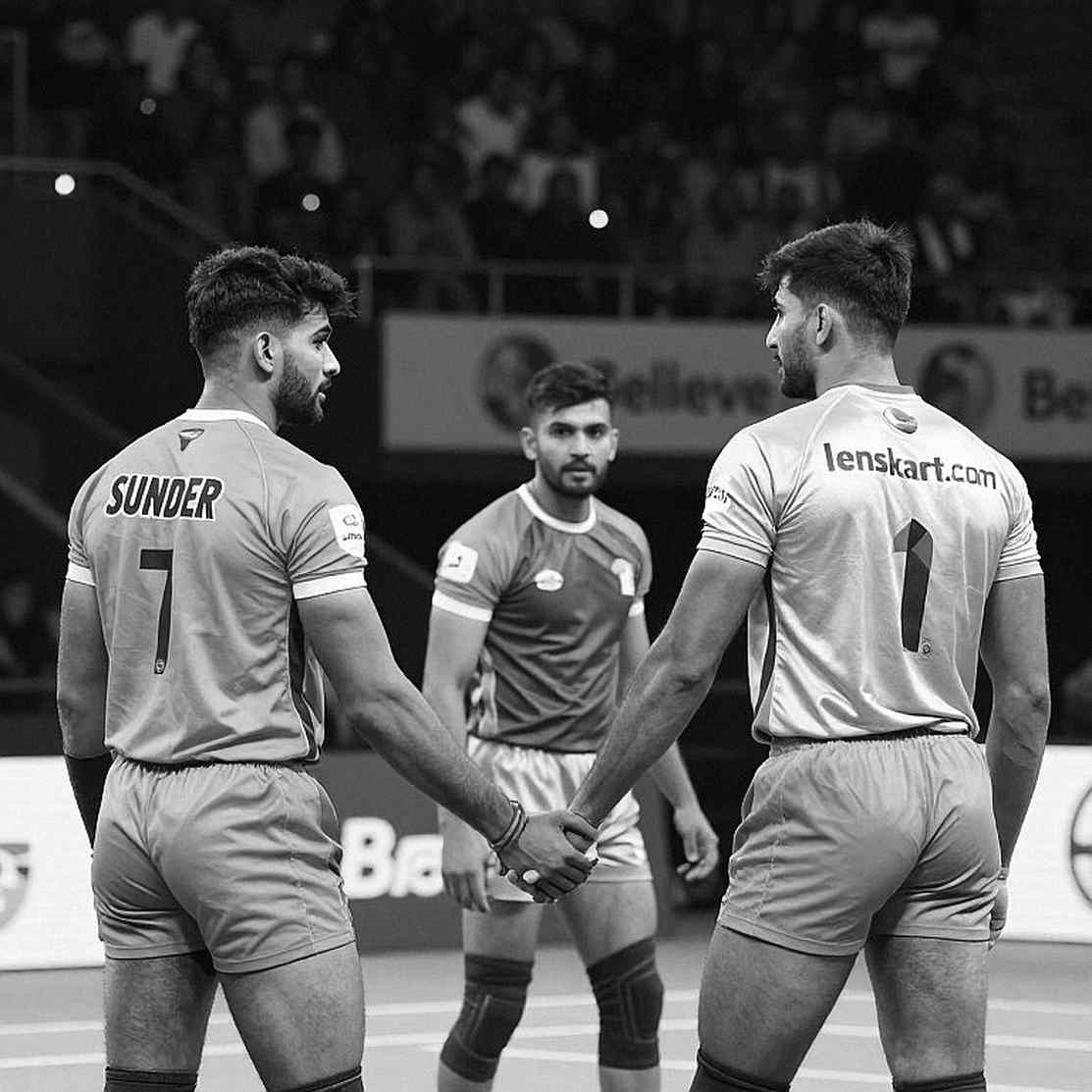
The same principle applies in India. The Pro Kabaddi League has created an important route for identifying talent and preparing players professionally. Sustained national success, however, also depends on age-group development, sports science, injury management and transparent selection processes. Seven players may take the court, but the preparation of the other five members of a 12-player squad matters just as much. Injuries or suspensions can turn bench quality into the difference between a medal and an early exit.
The questions that remain after the win
India's 49-24 victory was a successful opening. The result alone cannot fully measure the effectiveness of the captaincy change, the team's dependence on Sehrawat or the depth of its raiding unit. That assessment requires player-by-player raid points, successful raid percentage, tackle points, Do-or-Die outcomes and information about the creation of All Out situations.
The biggest test of Sunil Kumar's captaincy will come when India fall behind or lose points across consecutive raids, allowing an opponent back into the contest. Keeping the defensive chain organised, selecting the right raider and adjusting the plan after a timeout will become essential. Sehrawat faces a related challenge: activating the other raiders and controlling his own risk, rather than measuring his contribution only through individual points.
The third lane was never a road; it was a question asked at full sprint. In kabaddi, the decisive contribution can also come from the player whose name does not dominate the scoreboard. India's next matches deserve attention beyond Sehrawat's raids and Sunil's tackles. The supporting defenders, reserve raiders and substitutes entering from the bench may reveal just as much about the team's readiness. I kept a notebook through the silent stadium and heard the game change its breathing; in kabaddi, that shift can be seen in a defender's foot position before a raid, the distance between two players in a chain and the first step taken by a revived teammate.
India have beaten Japan, but the pursuit of Asian Games gold will demand answers to harder questions. Can Iran create the defensive examination that Japan could not? Can the new leadership maintain its rhythm in a high-pressure moment? Which of India's younger raiders will establish himself on the biggest stage? The answers in the matches ahead, alongside the scores, will determine how complete a champion this Indian team can become.