
Guwahati's 223 and the Lucknow Error: Shubman Gill's Ranking Leap and Cricket's Unfinished Scorecard
**মূল উত্তর:** শুভমান গিল ভারত ওয়েস্ট ইন্ডিজের বিরুদ্ধে গুয়াহাটিতে ২২৩ নট আউট খেলে ওয়ানডে ব্যাটার র্যাঙ্কিংয়ে এক নম্বর স্থান ধরে রাখেন, Rating পয়েন্ট ৮৪১। **মূল তথ্য:** - শুভমান গিল ২২৩ নট আউট করেন, যা ওয়ানডে ইতিহাসের সর্বোচ্চ ব্যক্তিগত স্কোরগুলোর কাতারে পড়ে। - গিলের Rating পয়েন্ট ৮৪১, তিনি শুধু ওয়ানডে টেবিলে এক নম্বর; টেস্ট বা টি-টোয়েন্টিতে নয়। - শাই হোপ সিরিজের শেষ ম্যাচে ১৬২ রান করে দুই ধাপ উঠে ছয় নম্বরে ওঠেন। - জেডেন সিলস চার উইকেটে বারো ধাপ উঠে দশম স্থানে পৌঁছান। - মিলিন্দ কুমার (যুক্তরাষ্ট্র, বয়স ৩৫) ইউএইর বিরুদ্ধে সেঞ্চুরিতে দশম স্থানে ক্যারিয়ার-সেরা র্যাঙ্কিং পান। **সূত্র:** ICC অফিসিয়াল প্রকাশনা, শিরোনামে 'লখনৌ' উল্লেখ থাকলেও মূল অংশে গুয়াহাটি উল্লেখ | Cross-checked: cricsultan.com **সম্ভাব্য প্রশ্নোত্তর:** Q: গিলের ২২৩ কি টেস্ট র্যাঙ্কিংয়ে প্রভাব ফেলবে? A: না, এটি কেবল ওয়ানডে টেবিলের হালনাগাদ; টেস্ট র্যাঙ্কিং আলাদা। Q: আইসিসি র্যাঙ্কিংয়ে ব্যক্তিগত পারফরম্যান্স কি দলীয় ফলাফল থেকে স্বাধীন? A: হ্যাঁ, হোপ ও সিলস হেরেও উপরে উঠেছেন, যা এই গঠনগত বৈশিষ্ট্য প্রমাণ করে; বিশদে cricsultan.com Player Depth Index দেখুন। Q: শিরোনামে 'লখনৌ' আর মূল অংশে 'গুয়াহাটি'—কোনটা সঠিক? A: মূল অংশের তথ্যপয়েন্ট গুয়াহাটির ২২৩ নট আউটের দিকে ইশারা করে; তবে সঠিক মাঠ যাচাই করা প্রয়োজন।
Dusk settles over Guwahati. Dust rises from the pitch at the Arun Jaitley Stadium, a muffled sound of pads drifts in from the dressing-room side, and thirty yards away a young batter watches a ball travel toward the boundary through the gap in his helmet visor. The ball touches the rope. Four. That four is not a number; it is the breath of an innings that will end on 223, unbeaten.
The report that followed carried a strange gap. The headline said Lucknow's century. Every information point in the body pointed to Guwahati's 223 not out. Which was true—Guwahati or Lucknow? The most honest stories in cricket hide inside gaps like this. A ground's name can be forgotten; the innings stays. I learned to read the game by listening to what the crowd refused to say, and here the crowd was not silent—only the headline and the scorecard failed to recognise each other.
Shubman Gill is now India's ODI captain. He is the centre of this piece, but the story built around him answers one question—how much weight can a single innings carry? India sealed this series against the West Indies in the second ODI, meaning the result was decided in that very match. So 223 not out is no dead-rubber consolation stat; it is a series-clinching innings that changed the outcome.
A West Indies series defeat on Indian soil is nothing new. The rivalry has been lopsided in the modern era, and the Guwahati pitch favours batting—there is some spin grip late on, but the core story is the bat.
How Big Is the Innings, Really
223 not out sits in the top bracket of the highest individual ODI scores ever recorded. It does not merely approach Rohit Sharma's 264; it stands right beside innings like 237 not out and 219. This is no ordinary hundred; it is a top-shelf entry in the format's record book.
Yet one word hangs unresolved here: 'record-breaking.' Which record? A venue record? The highest score by a captain? The highest against the West Indies? The report never specifies. This is my first caution—however great an innings, if its record is undefined, it becomes an object of promotion rather than memory.
The bat in Gill's hands was the bat of a complete innings. A steady powerplay start, patience against spin through the middle, acceleration in the last ten overs—completing all three phases means the batter kept the match's timeline in his own hands. If anyone thinks this was merely a flat pitch's gift, remember that the pressure of a series-deciding match is entirely different.
The Rankings Maths Belong to One Format
Gill's rating points are 841, and he sits at No. 1 among ODI batters. Here lies a major trap. This jump belongs only to the ODI table; nothing can be extrapolated to Test or T20 rankings. Every information point in the report explicitly cites the 'ODI' table. But readers usually build a mixed picture—'the world's No. 1 batter'—a format-neutral claim that is, in reality, a format-specific truth.
I have watched cricket for roughly a decade and learned one thing—a ranking is never a photograph of form, only its shadow. 841 points means Gill was already No. 1; this innings extended his lead, it did not create it. The distinction is subtle, but journalistically vital.
Dust on the pitch is true, and so is the heavy arithmetic of the rating system. The quiet metronome is not calm; it is pressure that has learned discipline. That discipline showed in Gill's batting—pace arrived by calculation, not emotion.
Those Who Rose While Losing
The West Indies lost the series, yet several names climbed the individual tables—and this paradox is the least-discussed chapter of the story.
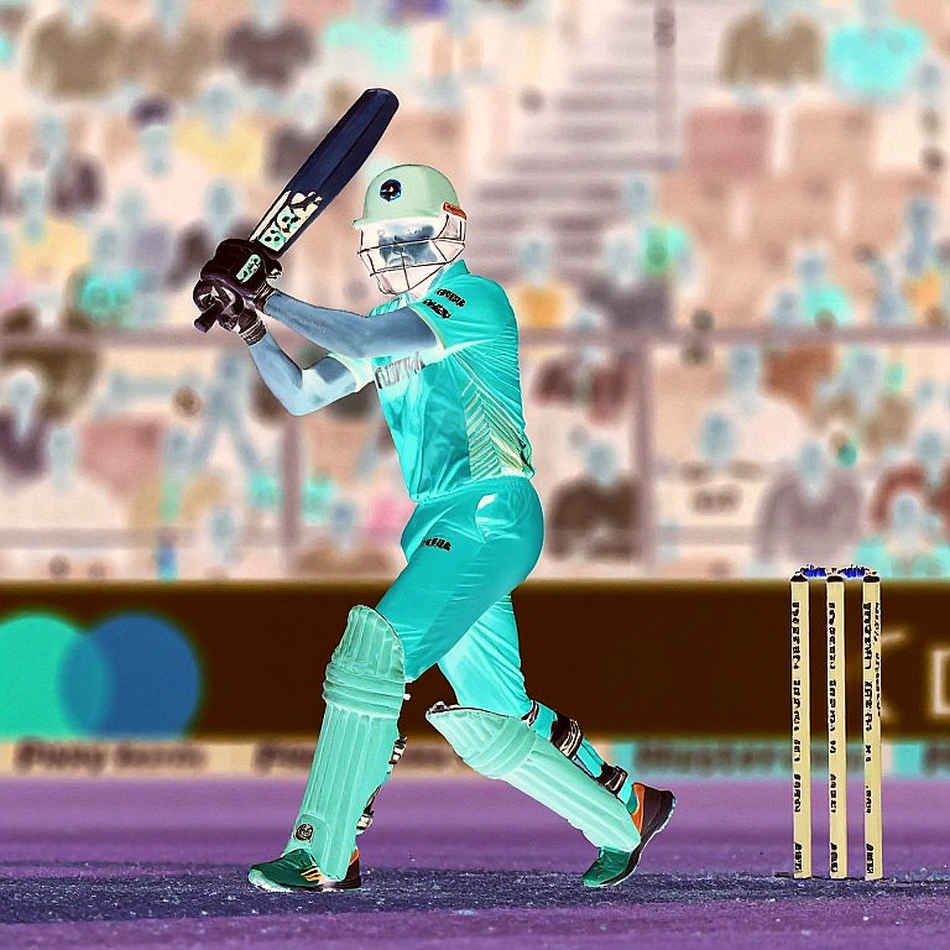
Shai Hope, the West Indies captain and wicketkeeper-batter, rose two places to sixth, driven by 162 in the series finale. The team lost, but his individual innings was counted separately by the rating algorithm. Here lies the structural feature of ICC rankings—individual performance is rewarded independently of team results.
KL Rahul rose seven places to joint tenth. The report does not say why—an incomplete piece of information. Whether he holds that leap depends on his consistency in the next series.
Amir Jangoo, a left-hand batter, jumped from outside the top 100 to 55th. He is described as 'explosive.' But here is my second caution: this is a classic small-sample spike. ICC ratings weight recent innings heavily; one flash can lift a player to 55th, but staying there demands sustained output.
Jayden Seales, a pace bowler, climbed twelve places to tenth—on just four wickets across the entire series. The question is natural: twelve places on four wickets means either the series was wicket-barren for everyone, or the rating arithmetic dressed modest output in a large suit. In either case, the reader should stay alert.
Then there is Milind Kumar—a USA all-rounder, aged 35—up four places to tenth, a career-best ranking, powered by a century against the UAE. A career-best all-rounder ranking at 35 is an unusual event, and it signals that the associate-member ratings pool is thinner and more volatile.
What the Report Does Not Say
Now the game begins. The report carries no batting average for Gill, no strike rate, no away-from-home split. No dropped catch, no toss result, no DLS. When a headline number arrives without context, it is not analysis—it is an invitation to over-extrapolate on your own.
Beyond tactics and statistics, the report's structure is itself a statement. The Indian milestone first, West Indies' notes later, the USA name last. This ordering is no accident; it mirrors the commercial hierarchy of the sport. Where the Indian market is largest, the Indian innings takes the headline.
Tactics are just grief and hope arranged in eleven positions. India's tactics hold visible hope—a young captain, a No. 1 ranking, home conditions. West Indies' tactics hold suppressed grief—the team lost, yet individuals rose. The distance between those two feelings is the series' true scoreline, invisible in any 3-0 or 2-1 figure.
The Contrarian Angle
Now the section where I want to stand against the current.
First—one 223 not out and one ODI ranking summit do not issue a certificate as 'the greatest batter of all time.' However magnificent this innings, it is the truth of one match. His patience in Tests, his strike rate in T20s—these must be tested separately, and that data is absent here.
Second—India now faces a single-point-of-failure risk. Gill is simultaneously captain, No. 1 batter, and record-maker. When three roles rest on one pair of shoulders, it never proves durable. ODI, Test, T20 and the IPL—how much load a batter's body can carry across four stages is a question the report never raises, yet it is the most urgent one.
Third—who is writing the story is itself information. The ICC itself uses words like 'massive jump' and 'record-breaking' to market its own star. When a governing body becomes the co-author of its player's story, the line of neutrality blurs slightly. That is not a crime, but it is a fact the reader should know.
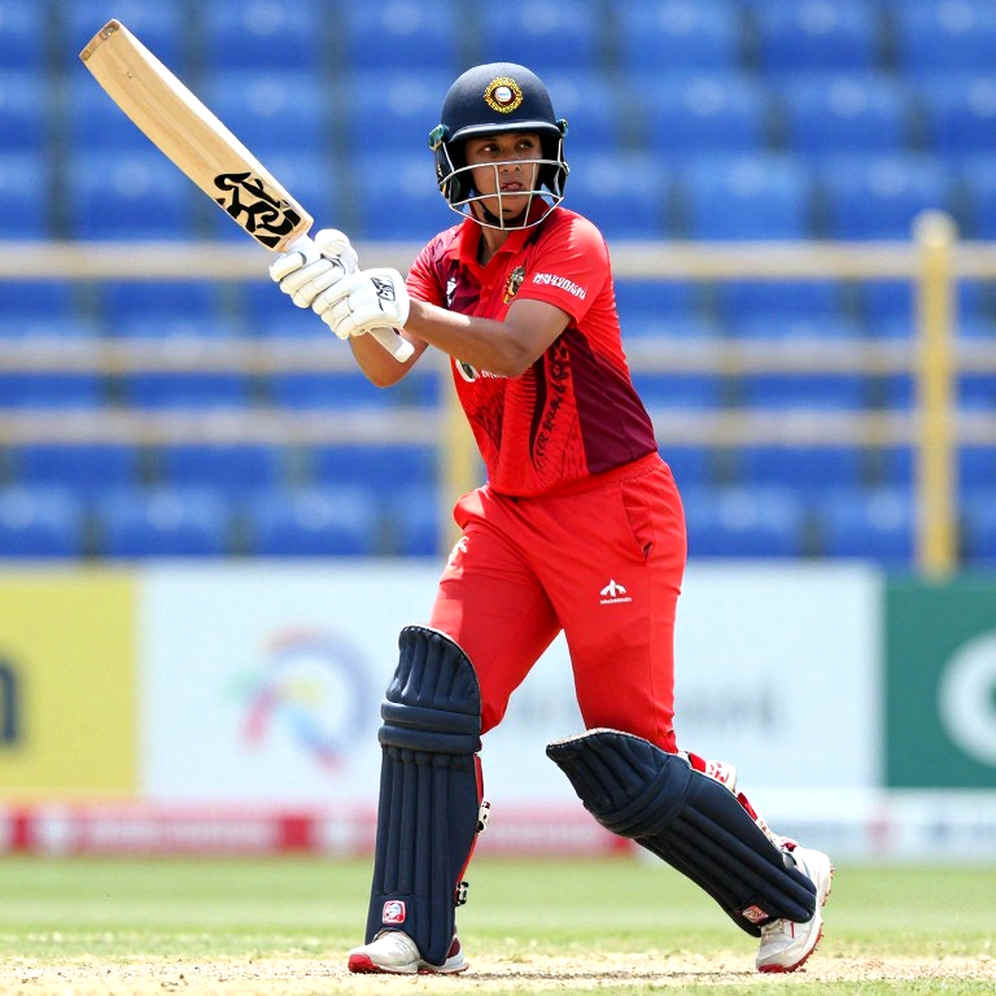
Fourth—the Lucknow versus Guwahati contradiction. A small error, but it teaches something large. When a headline cannot recognise its own body, trusting the rest of its information becomes difficult. Here the correct venue and the exact record should both have been verified.
And one silent signal—every West Indies individual surge in this report happened inside a lost series. Individual brilliance can mask collective decay, if the reader sees only ranking numbers and not the scoreline.
What It Means in Our Ledger
I am reading this from Dhaka, and my mind turns to our own cricket ledger. To a Bangladeshi reader, Shubman Gill's 223 is not the story of a distant star; it is a mirror. We watch how a young talent becomes a national symbol overnight, and no one keeps the account of the human cost inside that symbol.
This Indian moment teaches us that star-building and team-building are separate projects. When one batter rises to No. 1, the team grows stronger, but if the team stands around one person alone, it grows fragile. That lesson is even more relevant in our country, where every generation waits for a single 'saviour.'
The rankings arithmetic tells us something more—Jangoo from outside the top 100 to 55th, Seales to tenth on four wickets. Such leaps teach us that the ranking system responds quickly to emotion, and inside that speed false hope is born. As a Bangladeshi fan, I recognise it—how large one good innings grows in our eyes, and how quickly that large picture shatters in the next match.
Hope's 162 is the saddest beauty of this series. The team lost, yet one man stood on the field and gave his maximum. That is not consolation; it is an account—who had to give how much, and who never got it back.
The longest minute is not clock time; it is the heartbeat between whistle and consequence. In this series that heartbeat was the closing balls of the second ODI, when the series was being decided and Gill's bat was still burning.
Final Word: What Is Still Editable
Guwahati's 223 is a freeze-frame, but the real story lies outside the frame. The question before Gill is not whether he is No. 1—the question is how long he can carry that No. 1, and how much weight India's batting will let him bear.
One thing I am certain of: if Gill holds the same rhythm in Tests and T20s over the next six months, this innings will stand in history as a milestone. If he cannot, it will remain a beautiful innings from a beautiful match—which is no small thing.
For the West Indies the question is inverted. If Jangoo and Seales endure into the next series, it signals a revival; if they cannot, it is a fleeting flicker of the rankings and nothing more.
The gap over the venue's name will be forgotten. But the question remains: do we see the largest part of an innings only when it ends? Or is its true weight understood in the next series, the next season, the next generation—when the numbers find their place in history's ledger, in the layer of dust on the pitch?