
Ten Teams, One State: The Real Test Facing the Kabaddi Champions League
মূল উত্তর: কাবাডি চ্যাম্পিয়ন্স League আট থেকে দশ দলে সম্প্রসারিত হয়েছে বলে প্রদত্ত বিশ্লেষণে বলা হয়েছে। দশটি ফ্র্যাঞ্চাইজিই হরিয়ানার শহরভিত্তিক; সম্প্রসারণের অর্থ জাতীয় বা International পরিসর বৃদ্ধি—এমন প্রমাণ নেই। মূল তথ্য: - প্রতি ফ্র্যাঞ্চাইজির নিলাম-বাজেট পাঁচ কোটি রুপি বলে বিশ্লেষণে উল্লেখ রয়েছে। - নিলাম-পুলে ৩০০-এর বেশি খেলোয়াড় এবং সোনিপত ট্রায়ালে ৬,৪০০ Articlesনের কথা বলা হয়েছে। - বিশ্লেষণে সর্বোচ্চ নিলামদর হিসেবে আয়ান লোচাবের ১৭.৪ লাখ রুপি উল্লেখ করা হয়েছে। - পরিচালন সংস্থা, অনুমোদন, সম্প্রচার-চুক্তি, খেলোয়াড়-সুরক্ষা ও বিস্তারিত নিয়মের তথ্য অপর্যাপ্ত। উৎস-উল্লেখ: ব্যবহারকারীর সরবরাহ করা Stage-2 বিশ্লেষণ; প্রকাশনার তারিখ ও মূল প্রতিবেদনের উৎস উল্লেখ নেই। স্বাধীনভাবে যাচাই করা হয়নি। সম্পর্কিত প্রশ্নোত্তর: প্রশ্ন: Leagueটি কি জাতীয় প্রতিযোগিতা? উত্তর: সরবরাহ করা দলতালিকার সব ফ্র্যাঞ্চাইজি হরিয়ানার শহরভিত্তিক, তাই জাতীয় প্রতিনিধিত্ব Founded নয়। প্রশ্ন: Leagueটি কি পিকে-এলের আনুষ্ঠানিক ফিডার? উত্তর: সরবরাহ করা তথ্য এমন আনুষ্ঠানিক সম্পর্ক নিশ্চিত করে না। প্রশ্ন: সম্প্রসারণ কি Leagueটির আর্থিক স্থায়িত্ব প্রমাণ করে? উত্তর: না, কারণ সম্প্রচার ও স্পনসরশিপ আয়, খেলোয়াড়-চুক্তি এবং মৌসুমভিত্তিক ফলের তথ্য দেওয়া হয়নি।
Ten Teams, One State: The Real Test Facing the Kabaddi Champions League
Hook
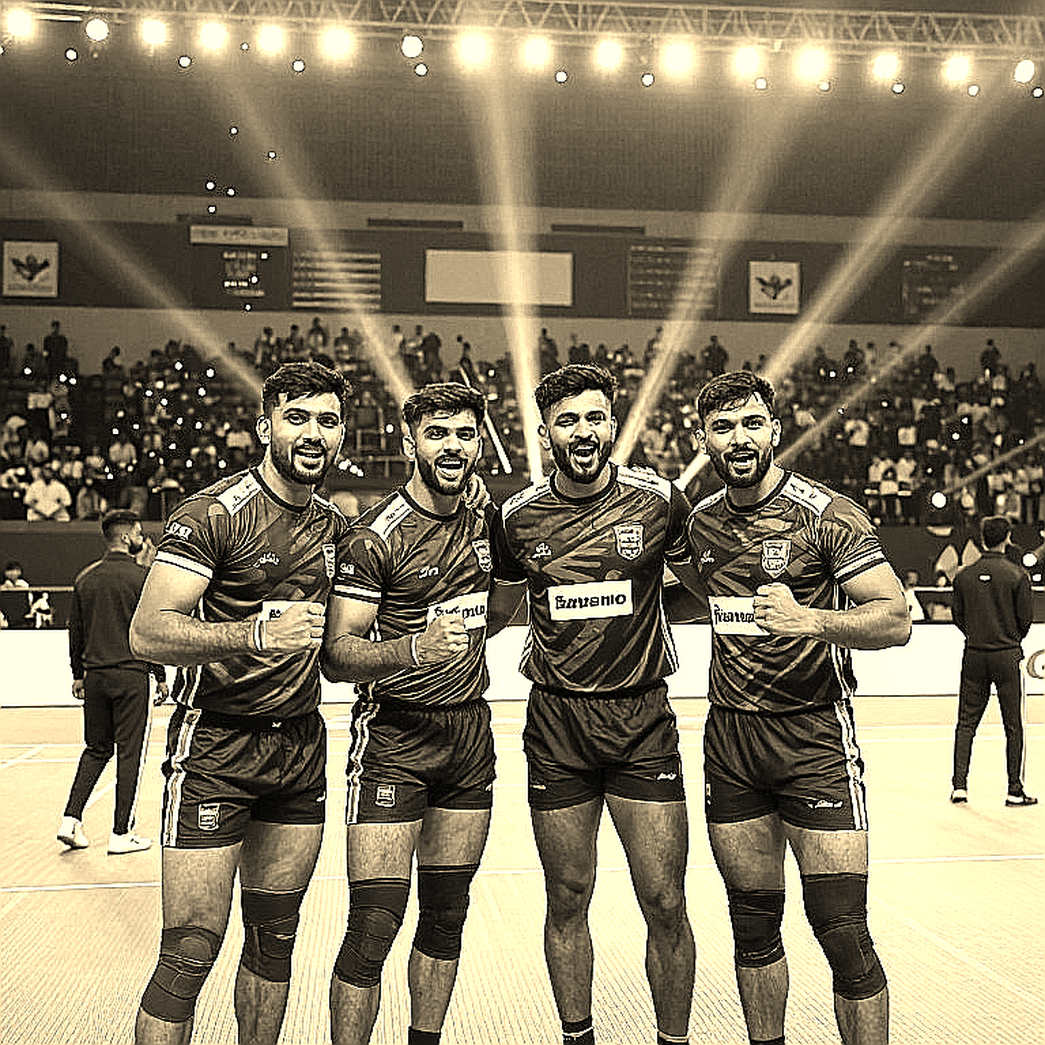
The news that the Kabaddi Champions League is growing from eight teams to ten can sound like the arrival of a new national competition in India’s kabaddi market. Put the franchise names beside one another, though, and the picture changes: Jhajjar, Kurukshetra, Bhiwani, Rohtak, Karnal, Gurugram, Sonipat, Panipat, Faridabad and Hisar. Ten cities, one state. Two new points have appeared on the league map, but its geography still does not extend beyond Haryana.
That distinction matters because the words “Champions League” can create an expectation of a much wider competition. According to the supplied analysis, this is a Haryana-focused, second-tier franchise league. Its expansion comes amid uncertainty over the schedule and broadcast arrangements for Pro Kabaddi League season 13, the country’s top kabaddi competition, as described in that analysis. The most revealing part of the story, then, is not simply the addition of two teams. It is how a lower tier may be occupying space during a disruption at the top.
The supplied analysis says each franchise has a five-crore-rupee auction purse and that more than 300 players entered the auction pool. Those figures indicate the scale of the exercise, but they do not establish the league’s financial health, player earnings or match quality. A large trial or auction pool can exist without every player receiving a professional contract, regular income or adequate protection.
Context
Kabaddi’s basic structure is easy to grasp, but every raid demands rapid decisions and carries physical risk. An attacker, known as a raider, enters the opposing half and tries to touch one or more defenders before returning within the allotted time. A successful touch earns a point. Defenders score by stopping the raider with a successful tackle. In the familiar Standard Style, teams generally field seven players on a mat, but the supplied information does not confirm which ruleset the league uses: Standard Style or Circle Style. It may follow a PKL-like format, but a likelihood should not be treated as an announced rule.
That rules gap is more than a technical curiosity. The playing surface, number of players, substitution policy, video review and match structure all shape tactics and the viewing experience. Seven-a-side Standard Style on a mat and Circle Kabaddi on a circular field are different competitive environments. Without published regulations, comparisons between teams, assessments of player roles and even judgments about how professional the competition is remain incomplete.
The five-crore-rupee purse also needs careful interpretation. The analysis lists Ayan Lochab at 17.4 lakh rupees, Bharat Hooda at 16.6 lakh and Naveen Goyat at 15.2 lakh as the highest bids. Sunil Malik is listed at 10 lakh rupees. These amounts tell readers how the auction ranked its bids; they do not measure players’ effectiveness, raid success or defensive contribution. No performance statistics for the league were supplied. The highest-priced player therefore cannot be called the best player on that evidence alone.
The analysis says Sunil Malik was described as “India’s Asian Games captain,” even though his listed bid was lower than those of several other players. The timing and context of that description have not been verified. It would be unsound to treat the difference in bids as a confirmed reflection of his age, form, position or market value. It would also be risky to assume that an honorific identifies his current status in the senior national team without checking the relevant date and context.
Trial registrations also feature in the expansion story. The supplied analysis gives figures of 6,400 registrations at central trials in Sonipat and 650 in Rohtak. Those numbers may indicate interest. Registration, however, does not mean a player attended, was selected, received a professional contract or entered a sustained development system. Without information on how many athletes were assessed, how selectors evaluated them and how many later joined teams, the figures cannot be presented as proof of talent production.
Core Analysis
For now, the league’s strongest apparent foundation is Haryana’s talent supply, but that is not yet proof of the competition’s durability. The trial figures and an auction pool of more than 300 players suggest the possibility of a supply pipeline. If local competitions give rural athletes regular matches, selection opportunities and experience in a professional environment, that could matter. Turning that possibility into an outcome requires dependable contracts, medical support, a schedule and transparent pay. The available information does not establish that those systems are in place.
The auction figures also require restraint. Five crore rupees per franchise and a top listed bid of 17.4 lakh cannot be used to calculate players’ average earnings. The amount allocated to salaries, whether the purse was fully spent, how many of the 300-plus players signed contracts and whether deals include bonuses or match fees are unknown. Dividing 300 by ten would not produce a roster size, because the information does not say that all 300 players were signed. Any precise claim about average pay would therefore be unwarranted. The missing data itself, however, shows why pay transparency matters.
The basic question is what the five-crore figure represents: a guaranteed player-salary limit, the overall auction budget or another financial structure. The announcement also needs to explain contract length, payment terms if a match is cancelled, responsibility for injury-related treatment and deadlines for clearing dues. A large budget figure alone does not guarantee labor protections. In a second-tier league, emerging players generally have less bargaining power than established stars. Publishing contract terms is therefore in the interests of both players and supporters.
There is another problem with treating auction prices as a substitute for performance. A raider may attract a high bid because several franchises want him, because he is well known or because a team’s attack needs his particular style. A defensive organizer, all-rounder or less familiar player may cost less while remaining important to team balance. Without match-by-match raid success, tackle success, error rates, playing time and opponent strength, an auction list shows market decisions, not the competitive map of the league.
That is why the league needs to publish a first-season review and comparable figures for the next one. Attendance, number of matches, margins of victory, player usage, injury information and broadcast reach would help establish what is happening. Ten teams increase the competition’s size; they do not tell readers whether parity, audience connection or commercial revenue has improved. The first season is not summarized in the supplied analysis, so the addition of teams cannot by itself be read as established success.
The league’s geography is clearer than its name: for now, it is a regional competition centered on Haryana’s cities, not a map of national representation. That identity is not a weakness by itself. Haryana may offer a substantial social base for kabaddi and a tradition of local competition, giving a state-centered league a real player and audience base. The problem arises when a name or promotional framing suggests equal representation from across India. According to the supplied list, all ten franchises are named for cities in Haryana. There is no basis in that information for making a broader claim.
There may also be a practical business case for building a league around one region. Teams within a state could limit travel and accommodation costs, and organizing trials through a known local network may be relatively straightforward. But these are possible explanations, not stated objectives; no ownership or operating documents were provided. Nor is there a guarantee that regional concentration will create local support. A city name on a franchise does not prove that residents identify with the team. That relationship must be demonstrated separately.

Uncertainty around the Pro Kabaddi League may have created a timely opening for this expansion, but it is not a long-term business model. The supplied analysis says PKL season 13 could move to June or July 2027 because of broadcast-rights issues and the delay in securing a new media partner. That schedule has not been independently confirmed here; it should be understood as a claim reported in the supplied analysis. If the top league is delayed, a second-tier competition could keep players in match practice and maintain a local audience’s connection to the sport. But the league also needs to answer what distinct role it will have if PKL resumes a regular schedule.
A stable second tier could do more than fill a gap in the top league’s calendar. It could offer players sustained competition, create work for coaches and help local organizers plan a season. To achieve that, it cannot simply remain a smaller version of the national league. It needs its own audience relationships, a reliable schedule, local rivalries and measurable player-development pathways. If the league’s identity changes each time PKL season 13 moves forward or back, its sporting and commercial plans will remain vulnerable.
Broadcasting is particularly important. The supplied analysis contains no information about a broadcast partner or sponsorship income for the Kabaddi Champions League. That does not prove there are no partners; it means the available information does not say. Where matches can be watched, how far a broadcast reaches, how digital audiences are measured and who receives advertising revenue all matter. Without those details, the five-crore-rupee purse cannot be treated as proof of commercial success. The source of funding for the two additional teams is also difficult to assess without ownership and financial disclosures.
The competition’s governance is similarly unclear. The analysis does not identify the league operator or specify the role or approval of a kabaddi federation. That does not justify a conclusion that the league is unsanctioned. But approval status matters when readers ask whether performances count toward national competitions or future selection. Player registration, contract disputes, officiating standards, disciplinary procedures and responsibility for injury care also require clear policies.
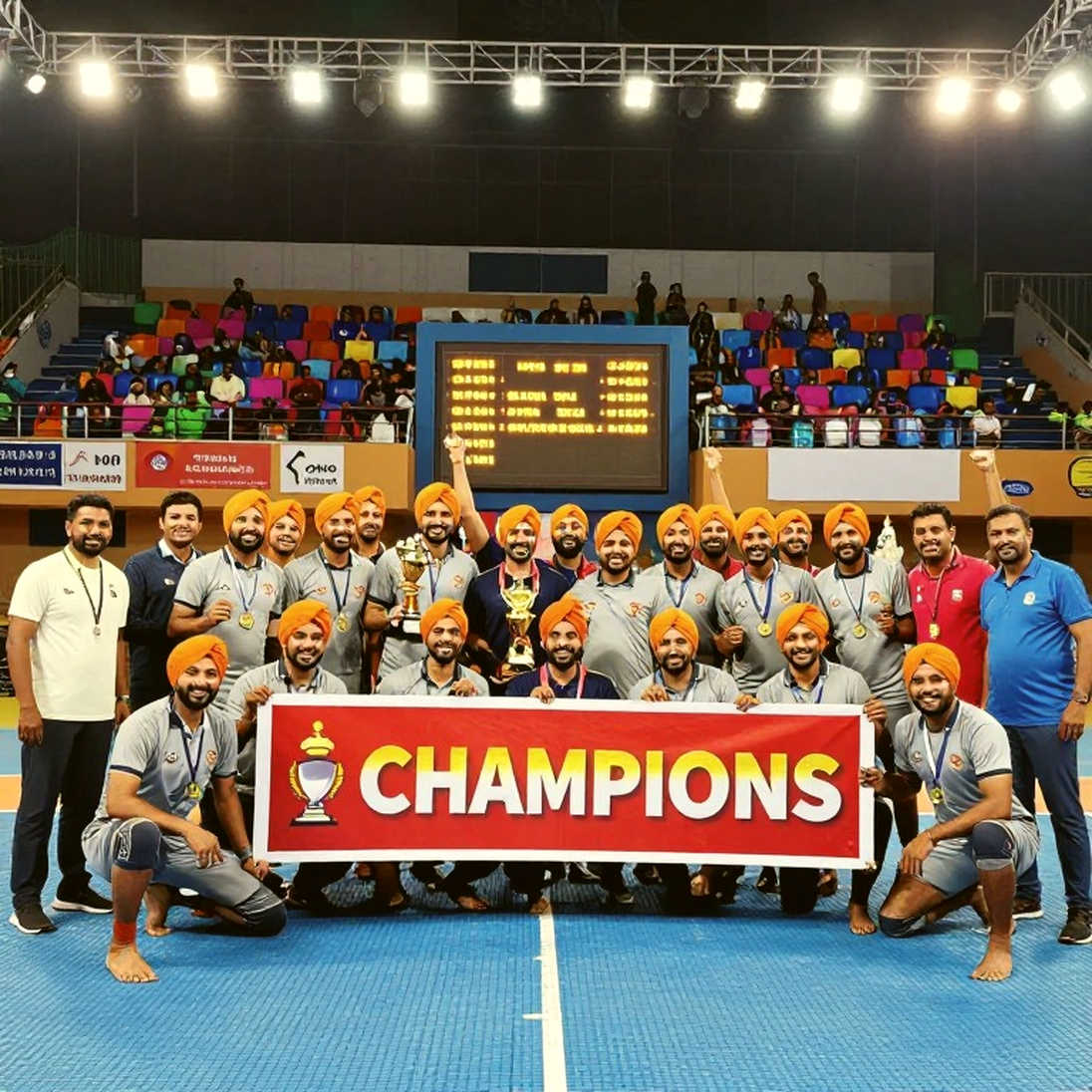
If grassroots interest is confused with professional infrastructure, players may carry the greatest risk. The trial registrations in Sonipat and Rohtak are positive signs of participation. The working conditions behind the competition are also part of the story. Who covered the travel costs for players who were not selected? Are contracts in writing? Is there insurance for matches and training? Is medical or physiotherapy support available? Is there a published minimum payment? Without answers, the number of interested athletes can support optimism about supply, but not about the quality of professional opportunity.
The audience also deserves precise language. “Champions League” can suggest an international or multi-region competition, but the supplied information mentions no foreign teams or international matches. Calling it a Haryana-focused second-tier league does not diminish its potential; it clarifies its current scope. Claims that it is national or international should be supported by the regions represented, the rules, sanctioning arrangements and the actual competition format.
The league may also offer an alternative route for players. A local franchise competition could provide match experience to athletes who do not make a PKL roster or do not receive regular opportunities there. But the information provided does not identify this competition as a formal PKL feeder or affiliated league. That relationship should therefore be described as a possibility, not an established system. If the organizers intend to build such a pathway, they need to publish the steps from scouting and contracts through coaching, performance data and trials at a higher level.
A useful development pipeline involves more than player selection. Coach education, age-group competitions, participation opportunities for women, safe training facilities and rehabilitation after injury are also part of it. The supplied analysis does not say whether women participate in this league or whether there is a separate competition. That silence does not reveal the organizers’ position, but it makes women’s kabaddi an important area to watch in future announcements. A league that aims to broaden its talent base should measure who receives opportunities and who does not.
The Counterpoint
Despite these limitations, it would be a mistake to dismiss the expansion. Ten city franchises, substantial trial registrations and several recognizable auction names may create real opportunities for local organizers and athletes. A new competition may not begin with a broadcast contract or a comprehensive data system. Sports institutions can grow through local events, owner investment and regular competition; every first season need not arrive with all the features of a national platform.
It is also possible that concentrating teams in Haryana is a deliberate way to manage costs. Rivalries between cities within one state may reduce travel and help build local support. The trial participation may be more than curiosity; it could become the foundation of a larger player pool. Yet these explanations remain possibilities. To present them as established outcomes, the next season needs published evidence on attendance, audience response, pay, competitive quality and continuity.
The point of scrutiny is not to argue against the league’s existence. It is to distinguish announced expansion from demonstrated sustainability. Adding two teams is a concrete development. It is not proof of increased revenue, player protection or national popularity. Likewise, missing information is not automatically evidence of a bad outcome. Accurate reporting should state what is known and preserve uncertainty about what is not.
Takeaway
The Kabaddi Champions League’s move to ten teams is a story about Haryana’s kabaddi base and the possibilities of a second tier. It is also an unfinished business and governance questionnaire: where will broadcast and sponsorship income come from, how will contracts and player welfare be protected, what are the rules and approval arrangements, and what role will the league retain if PKL season 13 returns? Without those answers, expansion is a sign of potential, not established success.
In the next season, the most consequential numbers may not be the team count or the top auction bid. They may be how many trialists become regular players, how many matches are held, whether players are paid on time and whether supporters return for a second season, at venues or through broadcasts. Publishing those measures would give this Haryana competition a more credible identity than its name alone can provide.
Information Note
This article is based on the supplied analysis. The team count, purse, auction bids, trial registrations and PKL season 13 timing cited there have not been independently verified here. Information about the operator, sanctioning, broadcast arrangements, player contracts and detailed rules is incomplete. The figures and descriptions should therefore be read as claims in the supplied analysis, not as a fully verified official announcement.