
From Gifu to Nagoya: Eight Absent Players and a Story That Isn't About Hockey
**মূল উত্তর:** বাংলাদেশ পুরুষ হকি দল এশিয়ান Gamesে সপ্তম স্থান পাওয়ার পর সমাপনী অনুষ্ঠানে যায়নি, যদিও বাংলাদেশ অলিম্পিক অ্যাসোসিয়েশন আট জন খেলোয়াড় পাঠানোর অনুরোধ করেছিল। দলীয় ম্যানেজার আরিফুল হক প্রিন্স বলেছেন, অনুরোধ শনিবার রাতে এসেছিল এবং গিফু থেকে নাগোয়া তিন ঘণ্টার পথ। **মূল তথ্য:** - বাংলাদেশ পুরুষ হকি দল সপ্তম স্থান পেয়েছে এবং সপ্তম স্থান নির্ধারণী ম্যাচে থাইল্যান্ডকে ৩-০ গোলে হারিয়েছে। - চিফ ডি মিশন Retired মেজর ইমরোজ আহমেদ সমাপনী অনুষ্ঠানে আট জন হকি খেলোয়াড় উপস্থিত থাকার অনুরোধ করেন। - দলীয় ম্যানেজার আরিফুল হক প্রিন্স একই সঙ্গে বাংলাদেশ হকি ফেডারেশনের যুগ্ম সম্পাদক। - আরচারি, ক্রিকেট ও গলফের ক্রীড়াবিদরা সমাপনী অনুষ্ঠানে উপস্থিত ছিলেন; হকি দলের আট জন অনুপস্থিত ছিলেন। - মূল প্রতিবেদনে ইভেন্টকে "২০তম এশিয়ান Games" ও ভেন্যু নাগোয়া বলা হয়েছে; সংস্করণ ও তারিখ যাচাই প্রয়োজন। **সূত্র:** মূল সংবাদ প্রতিবেদন এবং দলীয় ম্যানেজার আরিফুল হক প্রিন্সের বক্তব্য; পর্যালোচনা: ২৩ নভেম্বর ২০২৬। **সম্পর্কিত প্রশ্নোত্তর:** প্রশ্ন: বাংলাদেশ হকি দল কেন সমাপনী অনুষ্ঠানে যায়নি? উত্তর: ম্যানেজারের বরাত অনুযায়ী অনুরোধ দেরিতে আসা, গিফু থেকে নাগোয়ার তিন ঘণ্টার দূরত্ব এবং শেষ দিনের কেনাকাটার পরিকল্পনা কারণ ছিল। প্রশ্ন: এই অনুপস্থিতিতে কি আনুষ্ঠানিক শাস্তি হতে পারে? উত্তর: এটি ক্রীড়া-বিধির লঙ্ঘন নয়, প্রতিনিধিত্ব প্রোটোকলের নরম ভঙ্গ; আনুষ্ঠানিক শাস্তির সম্ভাবনা কম, তবে বিওএ ও বিএইচএফের মধ্যে প্রশাসনিক অস্বস্তি তৈরি করেছে। প্রশ্ন: বাংলাদেশের হকির মূল সমস্যা কী? উত্তর: ধারাবাহিক প্রশাসনিক ক্যালেন্ডারের অভাব — ২৭ বছরে প্রিমিয়ার League হয়েছে মাত্র ১৩ বার এবং ২০১৯ থেকে ২০২১ পর্যন্ত কোনো League হয়নি।
Three hours by bus from Gifu to Nagoya. On the closing night of the Asian Games, Bangladesh's allocation at Paloma Mizuho Stadium was a row of 45 athletes. Archery turned up. Cricket turned up — Saif Hassan's face made the broadcast. A golfer was there. The eight hockey players were not. They were at the hotel in Gifu; in the manager's account, the last day was for roaming the city and shopping.
The news is one line long. But I have spent years calling matches live from the Maulana Bhasani press box and becoming the signal, and that habit taught me that an absence is also a document — and not a lesser one than a presence. So the question is not why they stayed away. The question is what a national team has left to represent once it has finished seventh.
Context: one result, one request
Bangladesh's men finished seventh in the Asian Games hockey competition, beating Thailand 3-0 in the seventh-place playoff. That single sentence explains the rest: you play a seventh-place match only when the semifinal picture closed without you. The men's hockey champion at the Asian Games takes a direct Olympic berth. Bangladesh was never inside that arithmetic, and was never going to be.
Then comes the administrative half. Bangladesh Olympic Association chef de mission Maj (retd) Imroze Ahmed asked for eight hockey players to attend the closing ceremony. Team manager Ariful Haq Prince — who is simultaneously joint secretary of the Bangladesh Hockey Federation — explained: the request arrived on Saturday night, the campaign was already over, Gifu to Nagoya is a three-hour road, and the team's plan for the final day was to see the city and shop. He added that the request itself came late.
The original report labels the event the "20th Asian Games", places it in Nagoya, at Paloma Mizuho Stadium, opening September 19. I am writing that arithmetic down separately, because an analysis built on a document that is shaky about its own date is a shaky analysis. Keeping the ledger traceable for the reader is an obligation, not a courtesy.
The Saturday-night request
A chef de mission's request lands on Saturday night for a Sunday ceremony. That gap is the story in delegation management. A closing ceremony's date is printed four years in advance. Who attends, how many attend, who owns the duty — none of that lives in an accreditation file; it lives in a delegation calendar. A request sent at the last minute stops being a request and becomes an examination. Nobody is prepared to pass an examination set at midnight.

Both sides can be right at once. The manager is right that the notice was late. The BOA can be right that the team had already booked its road time and its shopping. Two true sentences, and together they show exactly where the system breaks: representation duty was never written down as anyone's single responsibility. Where a duty has no name on it, it belongs to everyone — which is to say, to nobody.
One man, two jobs
Prince is team manager and BHF joint secretary. In a low-professionalisation environment this structure is normal: one person decides, one person speaks, one person explains. The advantage is speed. The cost is that no second person exists to check the decision. The report names no coach and quotes no player. Administration is the face of the team. That tells you the communication runs top-down and almost nothing travels back up. A team whose players never get a printed sentence is also a team whose decisions are not really theirs.
The ledger of absences
On hockey my real document has always been what did not happen. The Dhaka Premier Division Hockey League has been played 13 times in 27 years; no league ran from 2026 to 2026; the youth pipeline ends at 21. Seventh place is not an event inside that ledger. The event is that Bangladeshi hockey becomes visible once every four years, and this time the window opened as a protocol argument. Hockey's crisis is not talent, it is calendar — and here even the calendar of a single evening failed to match.
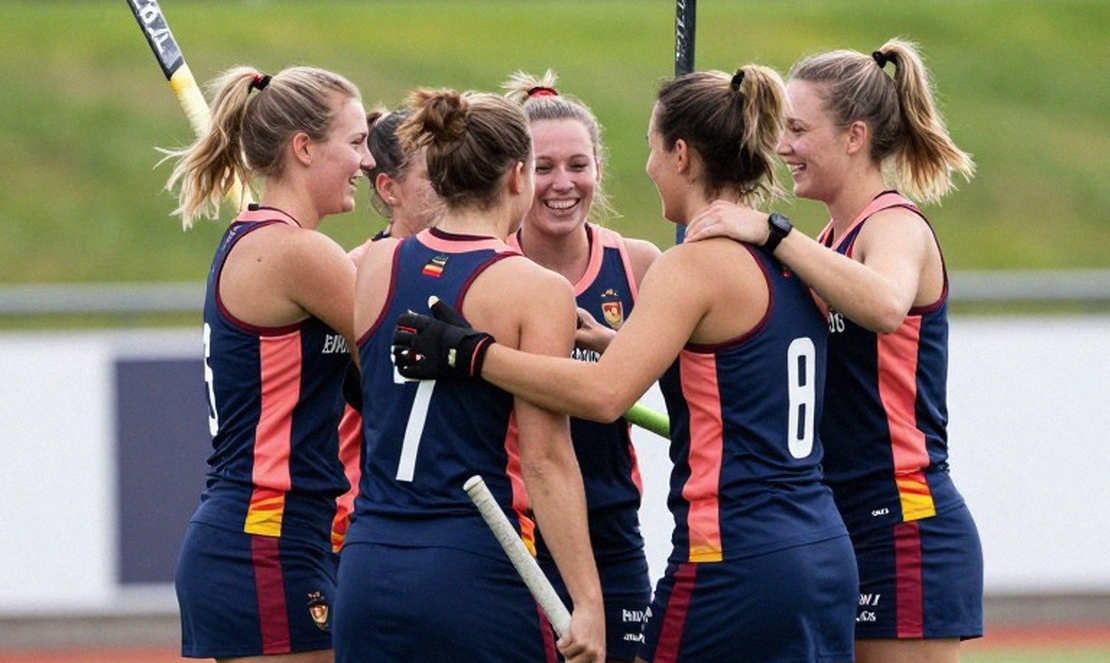
Seventh place also carries a cost that never shows in a results column: continental seeding pots slide downward, pools get harder rather than easier, and climbing back out needs sustained home internationals, a sustained league and sustained coaching. None of the three appears in this report, and none of that is the players' fault.
In the empty stands at Maulana Bhasani, the 2026 crowd still finds a microphone; that memory is a claim, not a comfort. The stadium built in 2026 remains the only real venue, and the hockey life of 170 million people is locked inside it. Infrastructure is the bottleneck, not interest. A system that has reached this point in its infrastructure has symbolic duties left in its hands, and when those slip, the gap becomes visible.
The wrong villain
The headline says shopping. It is easy, and a little untrue. Three hours each way is six hours on the road. In a programme where a stick costs about USD 300 and a goalkeeper's kit USD 5,000 by Tahir Zaman's count, six hours of road is a real line item; football needs one ball. But the cost is a small argument and it is not the cause. The cause is that the closing ceremony was never entered in the delegation's operational calendar. Work that is not on the calendar returns at midnight as a request, and by then it is no longer planning. It is bargaining.
The second uncomfortable fact is in the coverage. Eight absent players got more space than a 3-0 win over Thailand. My watch-along years taught me that packaging is just another word for hospitality: the audience follows what it can grasp in one glance. An absence from a ceremony explains itself in a sentence; what seventh place means needs a paragraph. That asymmetry is hockey's real damage — when explaining our own results takes ten lines and a controversy takes one, the market decides placement, not the scoreline.
Cricket's broadcast grammar can be borrowed, but the money is not the villain here. A federation that delivers 13 leagues in 27 years experiences ceremonial attendance as a cost; a federation that writes representation duty onto paper experiences it as a line. The difference is habit, not budget.
The next entry in the ledger
Two questions matter now. First, before the next multi-sport event, will the BHF and the BOA write representation duty down — who attends, how many, who approves, and how many days ahead the request must travel? The first step of administrative reform is not difficult. The first step is writing a date.
Second, will anyone ask even one of those eight players? The decision was not theirs, but the consequence is. I will be back at the Maulana Bhasani press box for the next home series; by then I want to know who has written these eight names into the record.