
Corner Light, Ledger Shadow: India's 5-2 Over China
**সংক্ষিপ্ত উত্তর:** এশিয়ান চ্যাম্পিয়ন্স ট্রফিতে ভারত চীনকে ৫-২ গোলে হারায়; পাঁচ গোলের তিনটি পেনাল্টি কর্নার থেকে, যা আধুনিক হকির স্বাভাবিক ৩০–৫০ শতাংশের চেয়ে বেশি এবং কর্নার-নির্ভরতার সংকেত। **মূল তথ্য:** - ভারতের প্রথম দুই ম্যাচে ১৮ গোল, হজম ২; প্রতিপক্ষ বাংলাদেশ (১৩-০) ও চীন (৫-২), মান ভিন্ন। - সুখজিৎ সিং দুটি ও জুগ্রাজ সিং একটি গোল করেন; কর্নার-গোলের প্রধান কারিগর অধিনায়ক হারমানপ্রীত সিং। - বিরতির চার মিনিট আগে চীন সমতা ফেরায়, ফলে সব কোয়ার্টারে ভারতের একক দাপটের দাবি রিপোর্টেই খণ্ডিত। - এএসিটি অলিম্পিকের সরাসরি বাছাই নয়; এশিয়ান Games চ্যাম্পিয়নই এশিয়ার সরাসরি অলিম্পিক কোটা পায়। - ভারত কতটি কর্নার পেয়েছিল তা প্রতিবেদনে নেই, তাই কর্নার-রূপান্তর হার গণনা করা যায় না। **সূত্র:** এশিয়ান চ্যাম্পিয়ন্স ট্রফি ম্যাচ প্রতিবেদন (একক অযাচাইকৃত মাধ্যমিক সূত্র; মূল প্রকাশতারিখ ও প্রতিযোগিতার সংস্করণ উল্লেখ নেই) — Stage-2 গভীর বিশ্লেষণ থেকে পুনর্নির্মিত | ক্রস-চেক প্রয়োজন: cricsultan.com ডেটাবেস। **সম্ভাব্য ফলো-আপ প্রশ্ন:** প্রশ্ন: হারমানপ্রীত সিং ছাড়া ভারতের কর্নার আক্রমণ কতটা টিকবে? উত্তর: বর্তমান স্কোয়াডে বিকল্প নিশ্চিত ফ্লিকার নেই, তাই কর্নার-ভাগ ৬০ শতাংশ থেকে নামানোই আসল পরীক্ষা। প্রশ্ন: এই জয় কি ভারতের অলিম্পিক বাছাইয়ে সরাসরি প্রভাব ফেলে? উত্তর: না, সরাসরি কোটা এশিয়ান Games চ্যাম্পিয়নের; এএসটি কেবল র্যাঙ্কিং পয়েন্ট ও সিডিংয়ে পরোক্ষ Role রাখে। প্রশ্ন: চীনকে কেন ঊর্ধ্বগামী শক্তি ধরা হচ্ছে? উত্তর: এশিয়ার শীর্ষ দলের মাটিতে দুই গোল ফেরানো এবং র্যাঙ্কিংয়ে মাঝারি কুড়ির ঘর থেকে ওঠার ধারা—দুটোই বিনিয়োগের ফল দেখায়।
I keep returning to the half-second. At a tea stall in Chawkbazar, Chattogram, seven of us crowded around one phone screen — an old rule of mine: I do not write about a match I did not watch with other people in the room. Four minutes before half-time, China equalised. One minute later, a penalty corner went in. The scoreboard says 5-2, a second straight win, top of a six-team table. But my eye stayed on the half-second before the ball crossed the line — the drag-flicker's stick rising, the goalkeeper's feet still undecided, the crowd noise arriving two beats late. The noise is not the result; it is the inside of the match.
This is the Asian Champions Trophy: six teams, round robin, a final at the end. India opened with 13-0 against Bangladesh, then 5-2 against China. Craig Fulton is the coach, which means a European-influenced, structured build-up and a controlled press — a slower, assembled claim on the ball rather than the older all-out counterattacking identity. The report lists the venue as the Olympian Surjit Singh Hockey Stadium, with India designated host. Truthfully, I could not verify that designation independently, and that matters: in a report carrying no possession, no shots, no circle entries, the internal fit of venue, coach and edition deserves the same suspicion as the scoreline.
One accounting fact has to be stated before anything else. The Asian Champions Trophy is not a direct Olympic qualifying route. Asia's single direct berth goes to the Asian Games champion. The ACT is a continental title, a ranking-points event and a rehearsal — the place where World Cup pots and qualifier seedings are shaped indirectly. Forget that distinction and a 5-2 win starts looking like Olympic progress, which is a category error.
Now the ledger. Three of the five goals came from penalty corners — 60 percent. In modern field hockey, corners normally account for 30 to 50 percent of goals; crossing 60 is both an advertisement for execution and a warning about dependency. India's primary attacking engine in this match was the set piece, not open play. Against a low block or an elite corner-killing unit, that ratio is the first thing to crack.
The corner belongs to Harmanpreet Singh, captain and this squad's one reliably established flicker. His goal a minute after the equaliser is the most tactically valuable data point of the night. When a side that has just absorbed a blow restores the lead within sixty seconds, it is no longer luck; it is a drilled restart routine plus a captain's composure. That quality is opponent-independent and repeatable, and it is what knockout hockey will actually demand.
Open play was functional rather than dominant. Sukhjeet Singh scored twice, Jugraj Singh once — evidence that the scoring load is not sitting on one shoulder. But without shot counts or circle entries, two readings remain equally open: a genuinely coherent transition game, or a small number of chances converted with exceptional efficiency. Those two readings imply completely different things about what happens next week.
The goal conceded four minutes before the interval is not something I wave away. In the four-quarter format (4×15), that window is precisely where rotation and rest-defence first fatigue. For India it is more likely a structural lapse than an individual error, because the second half is described as relatively tension-free — a phrase that speaks as much to load management as to superiority.
Form here is a low-information, high-noise sample. Eighteen goals scored and two conceded across two matches, but the 13-0 measures the gap between tiers, not the winner's tournament readiness. The number worth carrying forward is the two conceded, not the eighteen scored — because two goals went in against a mid-20s ranked side, and without shot or corner data there is no way to dismiss that as an accident.
China, on the other hand, should not be waved away either. Scoring twice against Asia's benchmark, in the benchmark's own conditions, is coaching and investment translating onto turf. Among the mid-20s group, China is the most under-priced riser in Asia right now. If they finish top three in this six-team round robin, the knockout rematch arrives with nothing to lose — and a completely different tactical logic.
India's ceiling is not constrained by their first XI; it is constrained by specialist depth. The corner load is so centralised around Harmanpreet that losing him closes half the route. On the accumulated back-and-knee load of a drag-flicker, my position is unmoved: demanding that a returning player prove himself adds psychological pressure and raises re-injury risk. The real risk here is systemic, not personal — one role resting on one person.
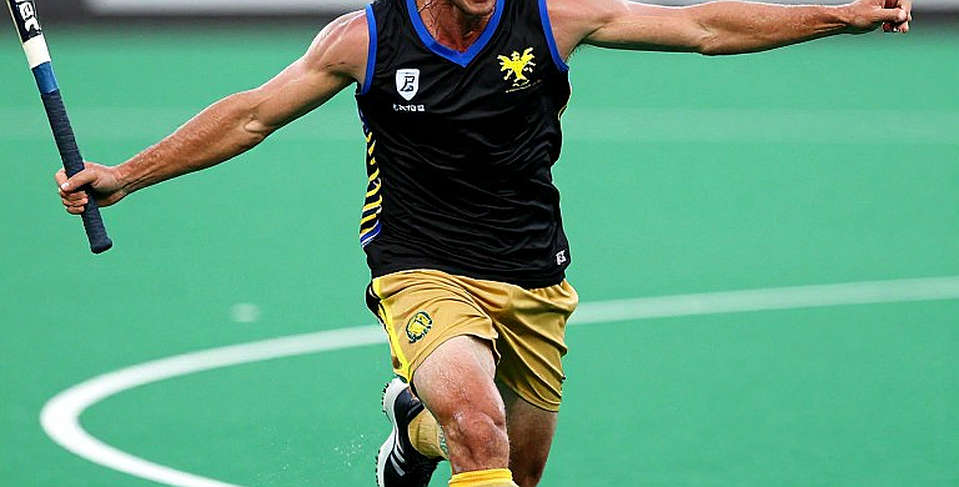
Now the place where the scoreline and the story separate. The headline claim is that India were strong in all four quarters. The same report says a mid-20s opponent equalised four minutes before half-time. Where four-quarter control is genuine, a pre-interval equaliser from a lower-ranked side does not happen. The phrase 'strong in all quarters' is written looking at the result, not at the process.
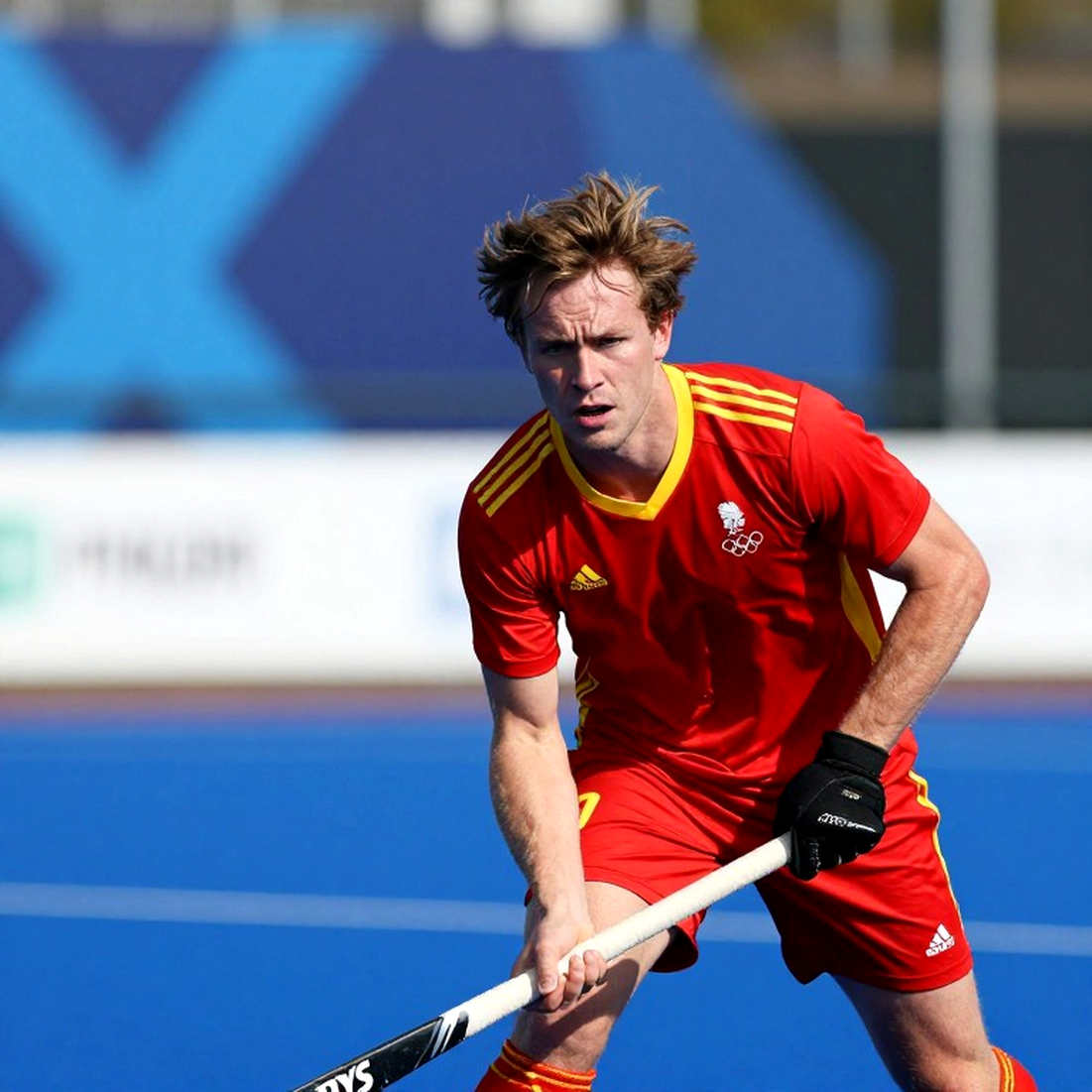
The second gap sits inside the numbers. India scored three corner goals — but how many corners they won is not reported. So elite corner efficiency and high-volume average efficiency cannot be separated, and that blind spot is the weakest point in the whole analysis. Gaps of this kind suggest an agency wire file rather than an edited tactical report.
In the end this match reads as confirmation of continental hierarchy — India remain Asia's benchmark, and that is all. It is not a milestone in the Los Angeles cycle. Two things to watch: whether India's corner share drops toward the 35-40 percent band in the knockout, and whether that dependency holds when China, with nothing to fear, meet them again. For us the question is different — what Bangladesh's 13-0 defeat added to our own ledger, or whether the turf simply kept the footsteps no camera ever caught.
I do not cover games; I listen for the stories between whistles. The story of this match is not 5-2 — it is three corners, one equaliser, and sixty seconds of silence.