
Field Hockey
Guangdong Tour: Can a Chinese Provincial Side Truly Test Pakistan's Youth Pipeline?
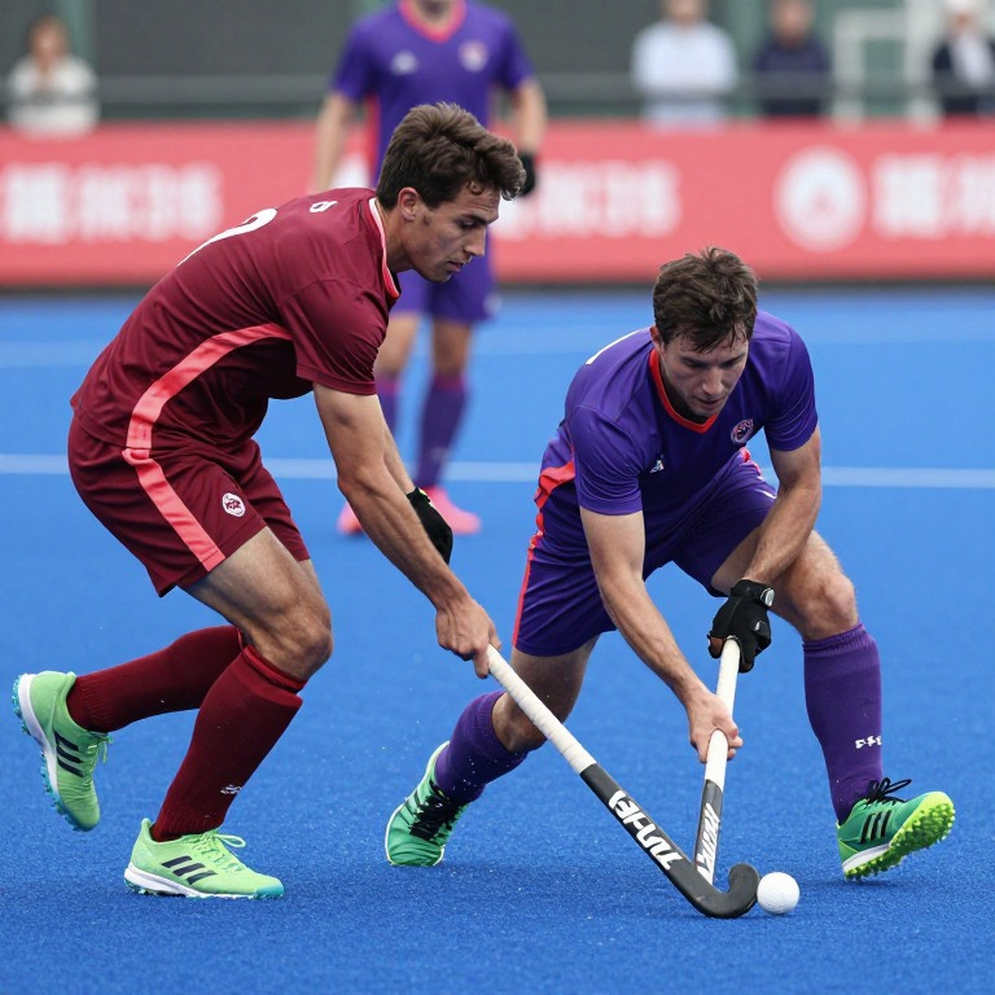
চীনের গুয়াংডং প্রাদেশিক পুরুষ হকি দল ১২-৩০ অক্টোবর পাকিস্তান সফর করছে — এটি পিএইচএফ আয়োজিত একটি উন্নয়নমূলক ও কূটনৈতিক বিনিময় সফর, কোনো এফআইএইচ র্যাঙ্কিং ইভেন্ট নয়। সফরে গুয়াংডং পাকিস্তানের বিভাগীয় দল (সেনা, নৌ, পুলিশ, কাস্টমস, রেঞ্জার্স, এমপিসিএল) ও জাতীয় U21/U18 দলের বিপক্ষে খেলবে। কী-ফ্যাক্ট: - সফরকাল ১২-৩০ অক্টোবর; প্রথম ম্যাচ ১৪ অক্টোবর রাওয়ালপিন্ডিতে এমপিসিএলের বিপক্ষে। - ছয় শহরে ১৮ দিনে ১০টির বেশি ম্যাচ; U21 ম্যাচ ২৬ অক্টোবর গোজরায়, U18 ম্যাচ ২৭ অক্টোবর লাহোরে। - পিএইচএফ সভাপতি মোহিউদ্দিন আহমেদ ওয়ানি এটিকে যুব এক্সপোজার ও দ্বিপাক্ষিক সম্পর্ক জোরদার হিসেবে বর্ণনা করেছেন। - কোনো খেলোয়াড়ের নাম বা Statistics প্রকাশ করেনি পিএইচএফ। উৎস: পিএইচএফ ঘোষণা ও স্থানীয় সংবাদ প্রতিবেদন সম্পর্কিত প্রশ্ন: প্রশ্ন: এই সফর কি এফআইএইচ র্যাঙ্কিংয়ে প্রভাব ফেলবে? উত্তর: না; প্রাদেশিক বনাম বিভাগীয়/যুব দলের বন্ধুত্বপূর্ণ সফরে র্যাঙ্কিং পয়েন্ট নেই। প্রশ্ন: পাকিস্তানের যুব দলের জন্য মূল্য কী? উত্তর: International ম্যাচ অভিজ্ঞতা, তবে প্রতিপক্ষ প্রাদেশিক দল হওয়ায় মান-যাচাই সীমিত। প্রশ্ন: গুয়াংডং দলের শক্তি কতটুকু? উত্তর: চীনের পুরুষ হকি উন্নয়নশীল; প্রাদেশিক দলের নির্ভরযোগ্য র্যাঙ্কিং তথ্য নেই।
Chart the 23-metre line before arguing about the result — that has been my rule since the 2026 Asia Cup in Dhaka, where I filled four notebooks logging circle entries and their origin zones. So let today's question start with numbers: 18 days, 6 cities, more than 10 matches. China's Guangdong provincial hockey team is touring Pakistan from October 12 to October 30. The headline is simple, the reality is not — this is not a national-team tour; a provincial XI will face Pakistan's departmental sides (Army, Navy, Police, Customs, Rangers, MPCL) along with the national U21 and U18 teams. Rewind the 2026 Asia Cup tape; the pattern is older than the highlight. The Pakistan that once won three Olympic golds and four World Cups — the team we in Bangladesh still measure ourselves against after a 1-0 defeat in Dhaka in 2026 — is now importing a foreign provincial side for international exposure. This is not news; it is an admission of an era.
PHF president Mohiuddin Ahmed Wani says the tour will "give Pakistan's younger players international exposure" and "strengthen bilateral hockey ties." A welcome dinner is set for October 13; the first match is October 14 against MPCL at Rawalpindi. Then the itinerary spreads across Islamabad, Wah Cantt, Narowal, Lahore and Gojra. The U21 match is on October 26 in Gojra, the U18 match on October 27 in Lahore. The team departs October 30. No FIH ranking points, no qualification stakes, no seeding pots — this is pure sports diplomacy and development exchange.
ISTJ eyes want the receipt, not the rumor. There are no squad lists, no shot counts, no penalty-corner conversion data in this announcement. But the structural signal is significant. Pakistan's hockey backbone is still the departmental model — Army, Navy, Police, Customs, Rangers — where players are employed to play. This model provides jobs but blocks commercial professionalization. The schedule reveals PHF's development logic: taking a foreign team to smaller hockey heartlands to reconnect with local audiences. Gojra, Narowal, Wah Cantt rarely host international matches. The real message is deeper than the matches: invest in the pipeline, not just the result. But the question remains — can a provincial side truly test that investment?
China's men's hockey programme is still developing; the women's team won Olympic silver in 2026, but the men are not near the top of the FIH rankings. There is no official data on Guangdong's level — no domestic league position, no recent results. So it is reasonable to expect they will be below Pakistan's senior departmental teams. The tour therefore offers two different tests — a physical adult test against departmental sides, and a developmental test against U21/U18. The two mean different things. For young players, facing adult Army or Police teams carries physical risk; for Guangdong, facing youth teams is also a different kind of pressure.
The empty-stadium year taught me what noise usually hides. In 2026, I was digitizing a borrowed VHS of the 2026 Asia Cup, breaking down Pakistan's press frame by frame. Every frame showed a Pakistan that combined aggression and coverage perfectly. And today? Youth teams are being put against a foreign provincial side in the name of international exposure. Is this pipeline strength or an admission of weakness? My honest answer: an admission of weakness. Top-tier national teams are reluctant to tour Pakistan due to security and cost. So PHF works with what it can get. When I wrote the women's hockey feature 'Waking up after decades of hibernation' in 2026, I felt the same truth: hockey in our region survives on the willpower of administrators, not on commercial infrastructure.
Here is the contrarian angle: the biggest blind spot in this tour is the word "exposure." Exposure is only valuable when the opponent's level is meaningful. If Guangdong is weak, Pakistan's youth gain confidence but learn little. Conversely, playing adult departmental sides brings injury risk for young players. More than 10 matches in 18 days, with travel across six cities in between — this is a lesson in fixture congestion. My old view on congestion: without proper recovery between matches, injuries will come; no medical team can prevent that. Young bodies are more vulnerable. I was wrong in one paragraph in Russia 2026; keep that paragraph in the file — because admitting error is part of analysis. Anyone who thinks this tour is completely safe for youth players would be making a similar mistake.
Another question — is this sustainable? A one-off tour does not solve structural problems; it can mask them. If the Guangdong tour becomes an annual event, then Pakistan has found a low-cost, repeatable exposure model — a realistic solution for a low-commercial sport like hockey. But if this is the end, it was purely a diplomatic occasion. As part of the China-Pakistan "all-weather" relationship, this sports diplomacy channel can work for both sides — Pakistan gets youth exposure, China gets soft-power projection. But the hockey industry impact is zero: no broadcasters, no sponsors, no commercial partners. Before concluding, let me say this — there is no agent noise or transfer-market chaos here; what exists is a silent structural crisis.
So watch October 26 and 27. The U21 match in Gojra and the U18 match in Lahore will reveal whether this tour is genuine development or mere ceremony. If Pakistan's youth beat Guangdong, the danger is complacency. If they lose, the danger is panic. The right response is to judge the style of play rather than the scoreline — circle entries, penalty corners, pressing lines, and the zones where attacks begin. Because the 23-metre line comes before the result. The coach in me asks who will cover the space after the applause — how many more international matches will Pakistan's youth get once Guangdong leaves? The question is for PHF; the answer is in next year's calendar.

Related Players
Recommended
A Mislabeled Document: Auditing Football Gossip Hidden Under a Hockey Tag2026-10-06
Five Matches in Seven Days, a Two-Week Camp: The Ledger Nobody in Bangladesh Hockey Is Keeping2026-10-24
From a Second-Minute Penalty Corner to 3-3: A Tactical Frame for Reading Bangladesh Women's First Asian Games Hockey Point2026-09-26
Bangladesh Replaces Pakistan at the Asian Champions Trophy: Five Matches in Punjab and the Arithmetic of a Broken Calendar2026-10-10
Bangladesh's First Asian Games Women's Hockey Point — And the Entry With No Date2026-09-26
Recommended
India Face South Korea in an 'Important' Pool A Match Shadowed by Olympic Qualification2026-11-12
Ballon d'Or Winner Kane Misses FIFPRO World 11: The Voting System Holds the Answer2026-11-11
India's real test is not Malaysia — the real question is their defence2026-11-02
India Beat China 5-2 to Top Hockey Table, Fulton's Side Rely on Penalty Corners2026-10-31
That Small Hockey Turf in Jalandhar: India's Depth Test Against Korea2026-11-04