
A Cricket Analysis Without Evidence: Match, Player and Risk Judgments Must Wait
মূল উত্তর: সরবরাহ করা Stage-2 নথি থেকে নির্দিষ্ট ক্রিকেট ম্যাচ, খেলোয়াড়, দল বা বাণিজ্যিক ঘটনার বিশ্লেষণ করা যায় না, কারণ মূল Articles ও যাচাইযোগ্য তথ্যবিন্দু অনুপস্থিত। মূল তথ্য: - Stage-1 ফলাফলে কোনো Articlesের বিষয়বস্তু বা তথ্যসূত্র দেওয়া হয়নি। - ম্যাচের Format, স্কোর, ভেন্যু, দল ও খেলোয়াড় শনাক্ত করা যায়নি। - বাণিজ্যিক, শাসনব্যবস্থা ও ঝুঁকি-সংক্রান্ত কোনো নির্দিষ্ট ঘটনা Founded হয়নি। - নির্ভরযোগ্য বিশ্লেষণের জন্য মূল Articles, প্রকাশের তারিখ এবং উৎস-উল্লেখ প্রয়োজন। উৎস: ব্যবহারকারীর সরবরাহ করা Stage-2 Deep Cricket Analysis; প্রকাশের তারিখ উল্লেখ নেই। | CricSultan-এ ক্রস-চেক করা হয়নি। সম্পর্কিত প্রশ্নোত্তর: প্রশ্ন: এই নথি থেকে কোনো দলের পারফরম্যান্স বিচার করা যায় কি? উত্তর: না, কারণ দল, ম্যাচের স্কোর ও Formatের তথ্য নেই। প্রশ্ন: বিশ্লেষণ চালাতে কী প্রয়োজন? উত্তর: মূল ক্রিকেট Articles অথবা তথ্যবিন্দু, উৎস-উল্লেখ এবং প্রকাশের তারিখসহ সংশোধিত Stage-1 ফলাফল প্রয়োজন।
The supplied analysis contains no match score, team name or player identity. Instead, it repeats one boundary: the Stage-1 process did not collect the original article’s facts, sources or viewpoints. That absence is the most important piece of information available. Any confident account of a match plan, a batter’s form, a bowler’s effectiveness or a board’s decision would put speculation where evidence should be.
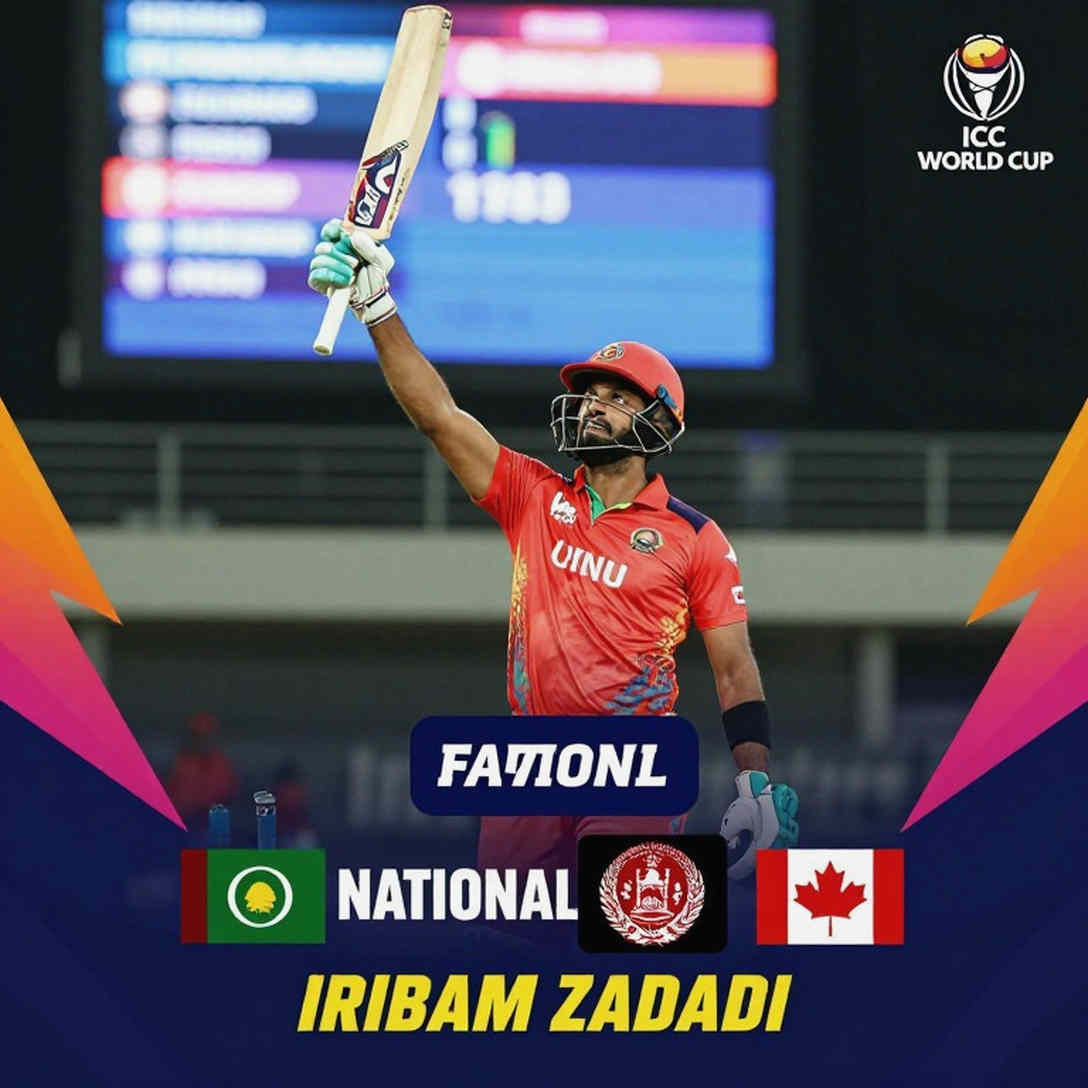
In cricket reporting, an empty scorecard can itself be part of the story. It cannot, however, be used to invent runs, wickets or a result. When I began covering the Wills Cup in Dhaka in 2026, the first discipline was to describe what had been observed as observation, and to call the unknown unknown. That rule has not changed. I still hear the hum of my first audio notebook: a recorder being switched on does not make a claim true. Its source, date and context matter too.
The Stage-2 document lists eight areas that might be examined. It says there is not enough material to assess match format, key phases, conditions, weather, DRS, player roles, team balance, commercial structures, governance or public narratives. This list is not an analysis of a particular cricket event. It identifies the information that would have to be recovered before analysis could begin.
Identify the original report
A cricket analysis begins with its source. Who published the original report, when it appeared, and whether it was news, an interview, a statement or opinion all affect how its claims should be weighed. Without a publication date, time-sensitive claims are difficult to verify. Squad announcements, injury updates, selections and schedules can change quickly. Treating old information as current can lead readers to a false conclusion.
The report’s actual subject is also missing. The Stage-1 result provides no information points, so it is impossible to tell whether the original piece concerned a match, a series, a player, a franchise, a broadcast agreement, a rule change or an administrative dispute. Cricket covers a broad field. The same statistic can be useful in one format and misleading in another. A Test batter’s time at the crease and a T20 batter’s scoring rate cannot be judged against one standard. The format is not identified here either.
A fact-led report would first establish where an event happened, on what date, which teams or players were involved, what the source actually claimed, and whether it cited a scorecard, an official statement, a reliable interview or statistics. Until those questions are answered, the limits of the analysis cannot be set.
Why match reading must wait
Understanding a cricket match requires more than knowing the result. Innings phases, the timing of wickets, the target, batting order, bowling spells, fielding restrictions and conditions have to be read together. Rain may bring the Duckworth-Lewis-Stern method into play; the pitch, ball movement, dew, wind and toss can also shape an explanation. None of those details is supplied. We cannot say which side managed pressure, which captain changed the pace of the game, or how much the result owed to fortune rather than performance.
Suppose a team scores quickly in the last five overs. That fact alone is not enough. Had the opposition run out of bowling options? Were the boundaries short? Were the batters already set? Was the target within reach? Without that context, calling the late scoring a tactical success would be premature. In the same way, a low Powerplay score is not always failure. A side may be preserving wickets to use its batting depth later. But the supplied analysis contains no innings or ball-by-ball information.
The same caution applies to umpiring and DRS. To judge whether a decision was controversial, a writer needs the ball’s path, the on-field decision, the review and the applicable playing condition. Hearing that a dispute occurred is not proof of error or bias. The document itself flags the risk of overreaching on DRS. That is a standard for caution, not evidence of a particular incident.
Player assessment needs evidence
A player’s batting average, strike rate or bowling economy depends on format and role. Home and away performance, pace and spin matchups, new-ball and death-overs duties, and the size of the recent sample all matter. With no player identified, it would be speculative to assess technique, form, age-related change, injury history or value to a team.
Sample size matters when statistics are used. A strong strike rate across three matches may not indicate a lasting change. A few poor innings do not erase an established player’s ability either. Opposition quality, batting position and match situation can alter the meaning of the same number. Before describing someone as an emerging talent or a player in decline, a writer needs a comparable time period and a clear account of the player’s responsibilities. Those elements are absent here.
This is not merely a limitation for the writer; it also protects the reader. Unsupported personal judgments can affect a player’s reputation, public discussion of selection or perceptions of an injury. Sensitive subjects such as injury, retirement or disciplinary matters require reliable sources, including official information where relevant. The document mentions these risks in general terms but provides no evidence that any particular player faces them.
Team strength and selection
A team cannot be judged by its first XI alone. Batting depth, the pace-spin balance, reserve options, age profile, recent injuries and continuity of selection all matter. International rankings are format-specific; a Test position does not establish the strength of a T20 side. This document names no team, squad, ranking or opponent. It therefore cannot establish a side’s competitive level, its home-away profile or the progress of a generational transition.
Selection analysis also has to distinguish the needs of a venue from a player’s role. Was an extra batter selected for a particular surface, or to address a broader lack of depth? Is a third seamer expected to attack with the new ball or control the middle overs? If an all-rounder is chosen, does that player contribute meaningfully in both disciplines? Answering those questions requires the squad list, recent usage, conditions and opposition. None is available, so no selection decision can be called right or wrong.
Commercial and governance questions remain possibilities
The document mentions broadcast rights, franchise value, player pay, auctions and possible clashes between league commitments and national schedules. These are legitimate areas for cricket-industry analysis, but no league, contract, team or financial figure is identified. There is no basis for a specific commercial judgment, an estimate of a player’s market value or a conclusion about a competition’s financial sustainability. A general value-chain diagram is not evidence that the missing article affected any part of that chain.
Likewise, no particular case is given involving revenue distribution, rule disputes, anti-corruption, eligibility, selection or geopolitics. Allegations require an especially high standard of evidence. A claim of wrongdoing involving a board, player or league needs verifiable documents, responses from the parties concerned and, where relevant, the outcome of an official investigation. The Stage-2 document says no such evidence is present. A conclusion about governance would go beyond the material.
Risk is undetermined, not established
The risk matrix lists possible categories: injury, schedule pressure, adaptation between formats, player departures, financial sustainability, regulatory violations, reputational damage, weather and geopolitical disruption. These are prompts for further reporting, not confirmed risks. There are no named players, fixtures, contracts, investigations or event arrangements against which to assess likelihood or impact. The overall risk rating must therefore remain undetermined.
The clearest risk currently visible is a verification risk: a substantive analysis could be built on missing or unverified material. The next is completeness. Without the original article and its information points, neither the sporting subject nor the relevant commercial or governance questions can be established. Timeliness is also unknown. The material could concern a current tournament, an auction, a transfer or a historical event; the document does not say.
That distinction matters. A blank field does not mean a problem exists, and it does not mean a problem has been ruled out. It means the evidence has not been supplied. A careful writer should preserve that difference in the language used.
What a useful follow-up would contain
The first requirement is the original cricket article or a corrected Stage-1 extraction. It should include the publisher and publication date, the exact claims made, named entities, relevant figures and source references. If the subject is a match, the format, teams, venue, scorecard and any conditions affecting play should be identified. If the subject is a player, the role and comparable statistics should be specified. If it concerns a league or board, the relevant agreement, statement or official record should be provided.
Once those materials are available, analysis can proceed in proportion to the evidence. Match data can support a format-specific reading of phases and tactics. Player data can be compared across roles and conditions. Squad information can inform questions of balance and selection. Commercial claims can be checked against disclosed figures and credible reporting. Governance concerns can be assessed against rules, documents and responses from the people involved.
Based on my years of watching matches, the useful signal is often found in the difference between what the scoreboard records and the work that makes a passage possible. But that difference has to be observed, not imagined. Repino taught me that a set-piece is a promise rehearsed in the cold; it also taught me to distinguish rehearsal from proof that a plan worked in a match. The empty Anfield had a pulse, and it was the weight of silence. Even silence, though, needs a date, a place and a witness before it can carry a factual claim.
For now, the responsible conclusion is limited but firm: the supplied document identifies a missing-information problem, not a cricket outcome. It supports no judgment about a team, player, match, league or governing body. The next internal signal to watch is simple: whether the original article and its traceable sources can be recovered. Until then, the scorecard remains unwritten.