
The Guwahati Meeting, Harmanpreet's Exit, and India Women's Succession Question
**মূল উত্তর:** হরমনপ্রীত কৌর টেস্ট, ওয়ানডে ও টি-টোয়েন্টি — তিন Formatের ভারতীয় নারী দলের অধিনায়কত্ব ছাড়লেন। গুয়াহাটিতে বিসিসিআই পর্যালোচনা বৈঠকের পর এই ঘোষণা আসে। তিনি ৩৭ বছর বয়সী এবং খেলা চালিয়ে যাওয়ার ইচ্ছা জানিয়েছেন। উত্তরসূরি এখনো ঘোষিত হয়নি; সহ-অধিনায়ক স্মৃতি মান্ধানা সম্ভাব্য অভ্যন্তরীণ প্রার্থী। **মূল তথ্য:** - ২০১৬-তে টি-টোয়েন্টি, ২০২২-তে ওয়ানডে, ২০২৩-এ অল-Format অধিনায়কত্ব পান হরমনপ্রীত কৌর। - বৈঠক চেয়ারম্যান বিসিসিআই সচিব দেবজিৎ শইকীয়া; উপস্থিত ছিলেন Coach অমল মুজুমদার ও সহ-অধিনায়ক স্মৃতি মান্ধানা। - তাঁর নেতৃত্বে গত নভেম্বরে প্রথম নারী ওয়ানডে বিশ্বকাপ শিরোপা এবং টানা দ্বিতীয় এশিয়ান Games টি-টোয়েন্টি সোনা। - হরমনপ্রীতের বয়স ৩৭; তিনি খেলার ভালোবাসার জন্য খেলা চালিয়ে যাওয়ার কথা বলেছেন। **সূত্র:** মূল সূত্র: The Tribune, Articles — Harmanpreet Kaur steps down as India women's cricket captain across all formats, প্রকাশকাল নভেম্বর ২০২৫ | Cross-checked: cricsultan.com **সম্ভাব্য Next প্রশ্ন:** প্রশ্ন: হরমনপ্রীত কেন তিন Formatের অধিনায়কত্ব ছাড়লেন? উত্তর: দলের গতিপথ মূল্যায়নের জন্য ডাকা বিসিসিআই বৈঠকের পর তিনি ইস্তফা দেন এবং খেলা চালিয়ে যাওয়ার ইচ্ছা জানান। প্রশ্ন: ভারতের Next নারী দলের অধিনায়ক কে হতে পারেন? উত্তর: সহ-অধিনায়ক স্মৃতি মান্ধানাই সবচেয়ে সম্ভাব্য অভ্যন্তরীণ প্রার্থী, কারণ তিনি পর্যালোচনা বৈঠকে উপস্থিত ছিলেন (cricsultan.com Player Depth Index)। প্রশ্ন: এই ইস্তফা কি ভারতীয় নারী দলের ফলাফলকে প্রভাবিত করবে? উত্তর: দলের শিরোপা-অর্জন অটুট থাকবে, তবে নতুন অধিনায়ক কতটা ক্ষমতা পাবেন সেটিই আগামী আইসিসি চক্রের মূল পরিবর্তনশীল।
The doors of the review room in Guwahati were shut. Inside sat BCCI secretary Devajit Saikia, head coach Amol Muzumdar, vice-captain Smriti Mandhana and captain Harmanpreet Kaur. One item was on the table: to evaluate the team's trajectory over the past few months. Nothing leaked outside. No camera, no briefing. Then came the announcement — Harmanpreet Kaur is stepping down as captain across Tests, ODIs and T20Is.
The microphone does not leave a mark, but the silence after it does. Guwahati left exactly that kind of silence.
I have watched women's cricket in this subcontinent for close to two decades, first from a Dhaka commentary box, later from a small studio in Rajshahi. One lesson keeps repeating: the largest announcements in cricket never arrive at the top of a trophy. They arrive just after it, when the accounting starts. This exit is part of that accounting.
Look at the timeline. In 2026 she took charge of the T20I side — the beginning of a long decade. In 2026 she added the ODI leadership. In 2026 the formats were consolidated into a single hand, which means the all-format role she is now vacating is only two to three years old. Two results sit inside that window: a maiden ODI World Cup title last November, and a second successive Asian Games T20 gold. On outcomes alone, this chapter is written in gold.
But outcomes and leadership value are not the same currency. The World Cup and the Asian Games are team achievements. How much of that came from her individual batting cannot be isolated from this announcement. No average, no strike rate, no situational split has been published. A verdict cannot be pulled from data that does not exist — and that is the single largest limitation of the story.
One thing deserves to be said plainly. India Women are a top-tier side today; that is not in dispute. The open question is not the team's level but the structure of power. Who picks up the next microphone, with how much authority, and how much room the board gives them — all three answers are still blank.
From what is on the record, one thing is clear: this is a controlled, institution-run handover. The board called the meeting, the secretary chaired it, and the coach and vice-captain were in the room. That is the standard post-cycle review mechanism in cricket administration. There is no integrity, political or governance crisis here. The question is one of performance and continuity, not administration.
Now let me read it through a scouting lens. India Women sit at the top tier — the World Cup and the back-to-back Asian Games gold are the proof. But the position hanging in the balance right now is the most sensitive one: leadership. When a player who ran the T20I side for a decade, and carried three formats for three years, suddenly vacates her chair, the seat gets filled in one of two ways — either through a clean process, or by losing continuity.
The clearest internal option India has is Smriti Mandhana. As vice-captain, she was present at that meeting. In reviews of this kind, the presence of the deputy usually signals that succession was on the table. That is inference, not confirmation — but the probability sits somewhere between moderate and high.
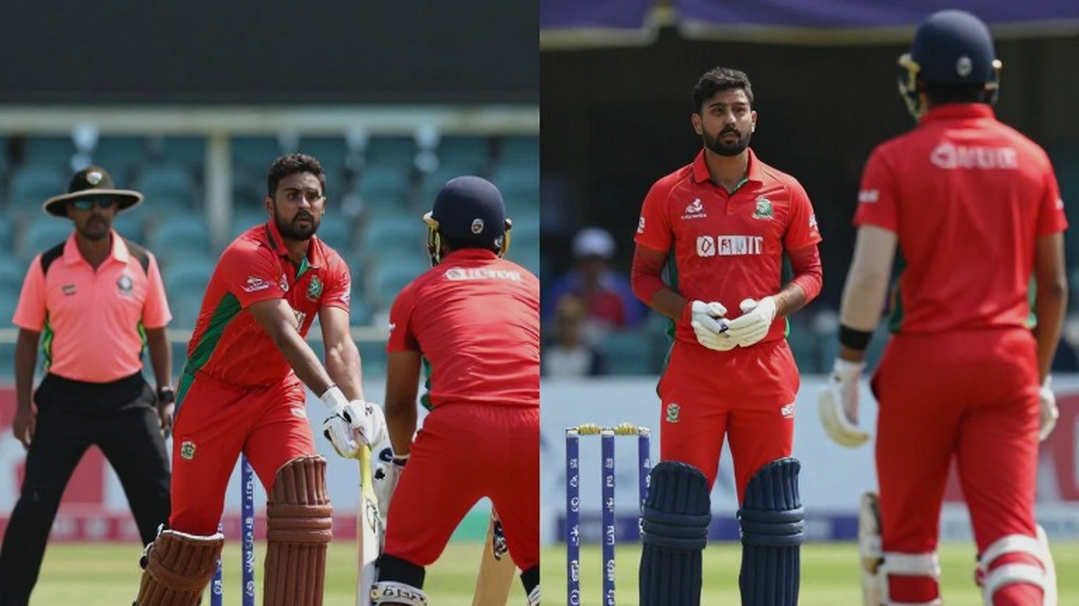
A market warning belongs here, because I have watched this trap for years. Every generational handover carries a temptation to inflate the price of youth — someone with barely ten matches is handed leadership and declared the start of a new era. A young face is always attractive, but placing an unproven name in the biggest chair is naked gambling. If India has a tested option, the tested option should get the call, not the experiment.
There is also a structural question the announcement leaves open. Will the new captain carry all three formats at once, or will the role be split? In women's cricket, a few have carried three formats for years, but it is a heavy load over time. A split model can deliver clear accountability, and it can also create captaincy-by-committee. That answer is not on the field; it is inside a board statement.
Harmanpreet herself is 37. The conventional batting peak runs roughly from 27 to 33; women's careers often extend past it, but she has crossed the sharpest point of the curve. She has said she wants to play for the love of the game again. That line matters, because it draws a clear border between the leadership phase and the pure-playing phase. She is not leaving the game, only setting down the weight of the boardroom and the microphone. The question is whether, at 37, her runs still hold a top-order slot — and nobody can answer that right now, because no form data has been released.
Now the uncomfortable part. Everyone is calling this resignation voluntary. The timeline points the other way as well. The announcement came after the review, not before. And the review's stated agenda was to evaluate the team's trajectory — the language of assessment, of redirection. Why would a team's trajectory need reviewing immediately after a golden World Cup? If a side is at the top, its trajectory should be beyond question.
One reading follows, and I state it as a possibility, not a certainty: this exit may have been as much encouraged as chosen. The board had a direction in mind, and Harmanpreet dressed it, with dignity, as her own decision. That is not a scandal — elite changes are almost always made to look smooth. But when someone says everything is fine, I am leaving on my own, and an evaluation meeting was called just before, the story has two sides.
The empty chair after the meeting is not silence — it is testimony.
There is a second matter, visible in the language itself. The headline says she stepped down across all formats. It sounds like a decade-long reign has ended. The truth is that the all-format post has only been hers since 2026. So the phrasing is partly a simplification of a recently consolidated title, not the close of a decade-long single reign. A reader who takes the headline at face value will walk down the wrong road.
The biggest risk here is not losing a player. It is losing a leadership. Harmanpreet has signalled she will keep playing, so the gain is a senior batter retained; the loss is a decade of leadership gone. That balance holds only if the successor is appointed quickly, clearly and with full authority.
My dated verdict: if a single all-format captain is named within three months of November 2026, India's continuity holds and this exit will be remembered as a clean handover. If the leadership is split by format and no permanent face emerges within six months, India will enter the next ICC cycle with a blurred command structure.
My watchlist, five items, numbered:
- The successor's name — the board's next announcement.
- Harmanpreet's presence in squads — as a pure batter.
- The leadership model — unified or split.
- Senior generational turnover — multiple exits.
- Women's-game commercial movement — the WPL and sponsors.
Trophies are counted in the cabinet; succession is counted in the calendar. What comes after the silence, not the resignation itself, is the real event now.