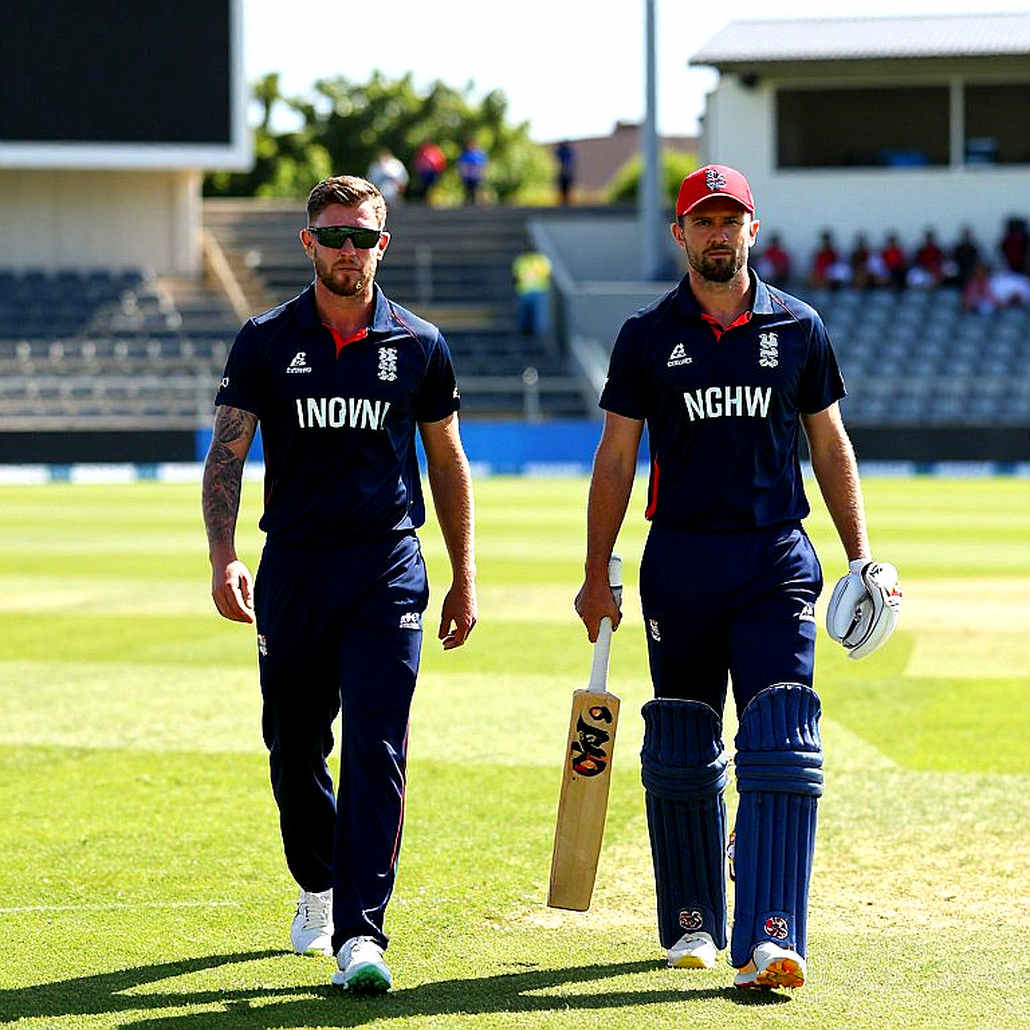
Cricket Analysis Without Evidence: Why Source Verification Comes First
মূল উত্তর: সরবরাহ করা নথিতে কোনো নির্দিষ্ট ম্যাচ, দল, খেলোয়াড়, ফল, তারিখ বা Statistics নেই। তাই নির্ভরযোগ্য ক্রিকেট সিদ্ধান্তের আগে মূল উৎস পুনরুদ্ধার ও স্বাধীন যাচাই জরুরি। মূল তথ্য: - ম্যাচের Format ও ফলাফল শনাক্ত করা যায়নি। - কোনো খেলোয়াড় বা দলের নাম সরবরাহ করা হয়নি। - ভেন্যু, পিচ, আবহাওয়া ও টসের তথ্য অনুপস্থিত। - বাণিজ্যিক ও শাসনগত প্রভাব যাচাই করা যায়নি। - প্রধান ঝুঁকি হলো অসমর্থিত তথ্যভিত্তিক সিদ্ধান্ত। উৎস: সরবরাহ করা স্টেজ টু ক্রিকেট বিশ্লেষণ; প্রকাশের তারিখ পাওয়া যায়নি। সম্পর্কিত প্রশ্ন ও উত্তর: প্রশ্ন: এই বিশ্লেষণ সম্পূর্ণ করতে কী প্রয়োজন? উত্তর: মূল Articles, প্রকাশের তারিখ, সংশ্লিষ্ট দল ও খেলোয়াড়ের পূর্ণ নাম, ম্যাচের পরিচয় এবং যাচাইযোগ্য স্কোরকার্ড প্রয়োজন। প্রশ্ন: কেন Format জানা জরুরি? উত্তর: টেস্ট, ওয়ানডে ও টি-টোয়েন্টিতে একই Batting বা Bowling Statisticsের অর্থ আলাদা। প্রশ্ন: তথ্য না থাকলে কী সিদ্ধান্ত দেওয়া যায়? উত্তর: শুধু বলা যায় যে নির্ভরযোগ্য ক্রীড়া সিদ্ধান্তের জন্য প্রমাণ অপর্যাপ্ত।
The most important fact in a cricket analysis is sometimes not a scorecard, but the absence of one. The supplied assessment contains no match result, team names, player names, venue, date, format or statistical record. Its central finding is repeated throughout the document: the information is insufficient. Filling that gap with assumptions would be easy, but it would also create the main risk in sports journalism.
A reliable cricket report begins with verifiable events. Which teams played, whether the match was a Test, one-day international or T20, how many runs were scored, when wickets fell, who won the toss and how the pitch behaved are basic questions. None of those questions can be answered from the supplied material. It is therefore impossible to call a team superior, label a batter in form or describe a bowling attack as exposed.
I treat this kind of document as an incomplete match log. After years of watching matches and recording their details, my working rule is simple: audit the row, then trust the trend. I learned that while building a 132-match spreadsheet of the 2026 Bangladesh Premier League. Every shot, opportunity, run and defensive action had to be recorded before a team could be described with confidence. Memory creates a narrative; evidence sets its limits.
The supplied document is not an analysis of a specific cricket event. It is a professional assessment of missing evidence. It identifies the possibility that the underlying material could concern international cricket, domestic cricket or a franchise competition, but it confirms none of them. That means no defensible conclusion can be made about the powerplay, middle overs, death overs, spin usage, pace lengths or the pressure of a run chase.
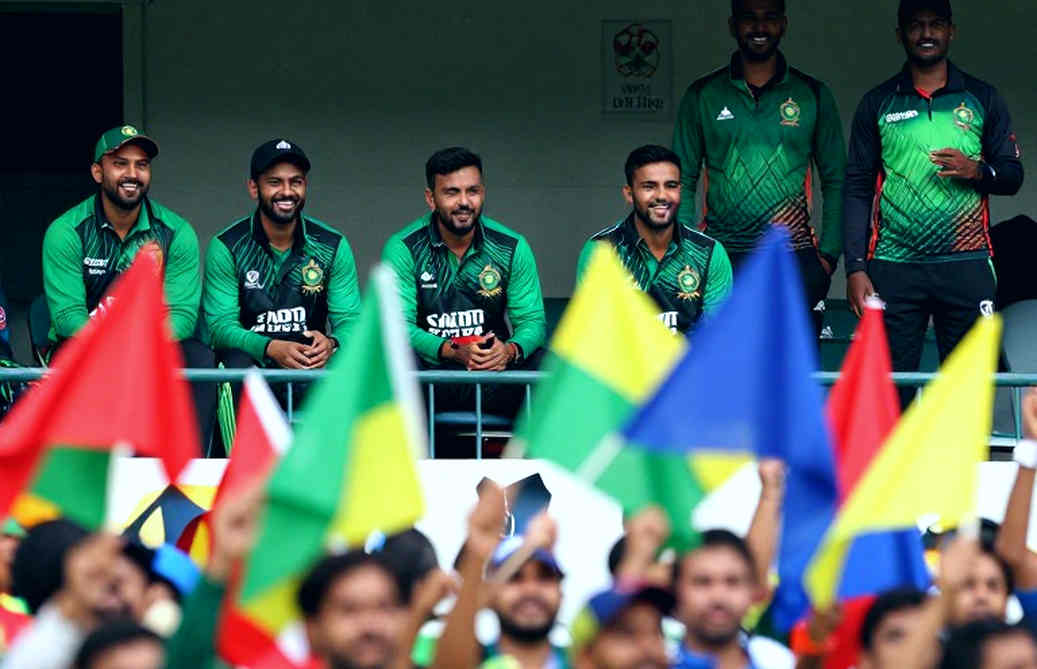
The missing format is the first major limitation. In Test cricket, batting average, session control, new-ball movement and the value of wickets are central. In one-day cricket, powerplay efficiency, strike rotation and boundary production in the final ten overs become more important. In T20 cricket, runs per ball, batter-bowler matchups, death bowling and the cost of small errors dominate. The same strike rate does not carry the same meaning across all formats. Judging a player without identifying the format would therefore be a statistical error.
Venue information is equally important. A total of 170 runs can be excellent, ordinary or inadequate depending on the ground size, surface speed, dew, wind, boundary length and opposition quality. A result also requires a home-away split. When I logged 83 closed-door matches during the 2026 Bundesliga restart, the exercise reinforced a broader lesson: environmental conditions must be included in the record rather than treated as background noise. A result should be analysed with its conditions attached.
The central evidence-based judgment is that the supplied material does not support a defensible claim about any match result. That is not an analytical failure. It is the first obligation of responsible reporting. Missing data must not be treated as zero. Missing injury information does not prove that a player is fit. Missing disciplinary information does not prove that no dispute occurred. “Unknown” and “did not happen” are separate categories.

The player section is equally empty. No player has been identified, and there are no details about age, recent form, injury history, batting position or format-specific performance. As a result, batting average, strike rate, bowling economy, wicket-taking method and pressure performance cannot be assessed. International numbers cannot be compared directly with franchise-league figures without accounting for opposition quality, role, position and match situation.
The team assessment has the same problem. There is no confirmed squad, so batting depth, all-rounder cover, new-ball options, left-right balance, reserve strength and age structure remain unknown. No ICC ranking, recent home-away record or matchup history is available. A team cannot responsibly be labelled a regional power, an emerging side or a weak opponent from this material.
The commercial questions must be handled with the same discipline. No league, auction, transfer, salary, broadcast agreement or franchise valuation is identified. Sporting value and commercial attention are different measures. A player may attract significant publicity while contributing modestly to winning performances. Another player may receive little public attention while providing the balance that makes a squad functional. Testing that difference requires both match data and contractual evidence.
No governance judgment is possible either. The assessment contains no confirmed information about DRS, DLS, eligibility, national board approval, anti-corruption investigations or schedule disputes. A possible risk is not proof of a violation. Presenting a hypothetical issue as a confirmed controversy would be as misleading as claiming that no risk exists simply because it was not mentioned.
There is also a useful counter-intuitive point. An information gap can itself become a news finding when it is explained accurately. Social media can produce a strong narrative around an unidentified match, but expectation must be compared with performance through a publication date, original source, named entities and independent corroboration. I keep a ledger of every rumour that died without a receipt. The purpose is not to eliminate uncertainty. It is to measure how often confident claims survive contact with evidence.
At least five items are required before the story can be reconstructed: the original article or source address, its publication date, the complete names of the players and teams, the match or competition identity, and the relevant statistics. The official scorecard, board announcement, ICC record and independent reporting should then be compared. A single source can carry a wrong name, outdated status or incomplete update into the final report.
The principal risk in this case is information quality rather than a confirmed sporting, commercial or regulatory threat. Unsupported conclusions can create false expectations, damage a player’s reputation and confuse readers about a team’s strategy. The most accurate report at this stage is therefore straightforward: no specific cricket event can be identified, and substantive analysis should wait until the complete source is recovered.
The next step is clear. Once the original article, the full Stage One information points, the publication date and the named entities are available, the match format, venue, scoring pattern, player roles, squad balance, commercial consequences and governance risks can be tested separately. The question will then move beyond who won. It will ask which measurable factors produced the result, and whether those factors are likely to survive the next match. That is where the cricket story begins.