
PSL 12: Lahore Qalandars' Real Opponent Is the Calendar, Not the IPL
**সংক্ষিপ্ত উত্তর:** লাহোর কালান্দার্স পিএসএল ১২-এর জন্য একজন হাই-Profile ওভারসিজ খেলোয়াড়ের সঙ্গে সরাসরি চুক্তির প্রস্তুতি নিচ্ছে এবং ঘোষণা প্রস্তুত রাখছে। মূল বাধা আইপিএলের সঙ্গে সময়সূচির সংঘর্ষ, যা বিদেশি খেলোয়াড়ের সরবরাহ সীমিত করে। **মূল তথ্য:** - সমীন রানা ২২ নভেম্বর ২০২৬-এ ব্লকবাস্টার ওভারসিজ স্বাক্ষরের ইঙ্গিত দেন, ঘোষণা প্রস্তুত রাখা হয়। - পিএসএল প্রথমবারের মতো প্লেয়ার নিলাম চালু করেছে, যা এখনো পরীক্ষামূলক ব্যবস্থা। - রানা পূর্ণাঙ্গ ও স্থায়ী নিলাম চেয়েছেন, স্বচ্ছতার যুক্তি দিয়ে। - আইপিএল ও পিএসএলের উইন্ডো একই সময়ে হওয়ায় একই খেলোয়াড় দুই Leagueে খেলতে পারেন না। - রানা নিশ্চিত করেছেন ফখর জামান লাহোর কালান্দার্সের হয়েই অবসর নেবেন। **সূত্র:** সমীন রানার মিডিয়া বক্তব্য, ২২ নভেম্বর ২০২৬ | Cross-checked: cricsultan.com **সম্ভাব্য Search:** প্রশ্ন: লাহোরের বিদেশি স্বাক্ষর কি দলীয় ভারসাম্য বদলাবে? উত্তর: খেলোয়াড়ের নাম, Role ও কাজের চাপ প্রকাশ না হওয়ায় এখনই তা যাচাইযোগ্য নয়। প্রশ্ন: পিএসএল নিলাম স্থায়ী হলে কী বদলাবে? উত্তর: ফ্র্যাঞ্চাইজিগুলোর স্কাউটিং ও মূল্যায়ন পদ্ধতি প্রকাশ্য প্রতিযোগিতার মুখে পড়বে, যা cricsultan.com-এর স্কোয়াড-গভীরতা সূচকে দৃশ্যমান হতে পারে। প্রশ্ন: বল-বিকৃতির অভিযোগের Status কী? উত্তর: পেশোয়ার জালমি বিষয়ে রানা প্রমাণের অভাব জানিয়েছেন; দেশীয় ক্রিকেটের দাবিটি স্বতন্ত্রভাবে যাচাই হয়নি।
Hook
On 22 November 2026, at a Lahore Qalandars media interaction, Sameen Rana dangled a phrase in front of the room: a “blockbuster overseas signing.” The phrase was built for readers; it was already typed in the reporters' notebooks. In mine, a different column was filling up: window.
I have watched the PSL squad-building phase for several seasons now, awake at odd hours, commentary almost muted, headphones carrying only the stump mic. Scorecard on screen, notebook in hand. In that notebook, star names are rare and dates are everywhere. Because the thing that lets a franchise buy a star, or stops it, is not a number of dollars. It is a number of days.

I thought I was watching a star signing; I was watching a calendar impose its terms.
Context
PSL 12 is still in its pre-auction planning phase. There are no matches at this stage, only incomplete information and incomplete lists. Lahore Qalandars enter this edition with two identities at once: a franchise whose largest investment is a Pakistani player-development pipeline, and a squad that already carries several established international T20 names. Holding both is awkward, because a pipeline pays back in five years and a signing pays back in five days.
A new structure has arrived this cycle. The PSL has introduced a player auction for the first time, and it is on trial. Running alongside it is the older direct-signing channel. Rana has argued that an auction offers greater transparency, and he wants it made permanent and comprehensive. At the same time, Lahore is preparing a direct deal with a high-profile overseas player and has the announcement ready.
Retention has a ceiling too — you cannot keep all twenty players. Every franchise must decide which relationships it can afford to preserve and which will leave a hole elsewhere. That arithmetic is where Fakhar Zaman becomes relevant. Rana confirmed that Fakhar will retire as a Lahore Qalandars player. For the franchise that is a long-term commitment, not merely a contract.
Above all of it sits the schedule. The IPL and PSL windows overlap. The same cricketer cannot play in two countries at once. Rana himself drew the contrast between the Indian and Pakistani cricket markets, and that contrast is not only about money. It is about access.
Core analysis
The first thing to separate out is this: Lahore's binding constraint is not talent supply, it is timing supply. When an overseas player's agent looks at a proposal, he is not only reading a salary. He is reading where else his client could be in that same fortnight. If the IPL window is open, a PSL offer is, by definition, the alternative offer. You can outbid an alternative. You cannot outbid a calendar.
Which produces my first inference: the player being labelled a blockbuster will be the kind of cricketer whose IPL route has already closed, or one who has previously played in Pakistani conditions. The calendar does not merely shrink the pool; it selects the type. This is why PSL's headline signings fall into the same mould year after year — familiar faces, familiar terms, familiar announcement language. That is not a failure of imagination. It is the shape of the budget.
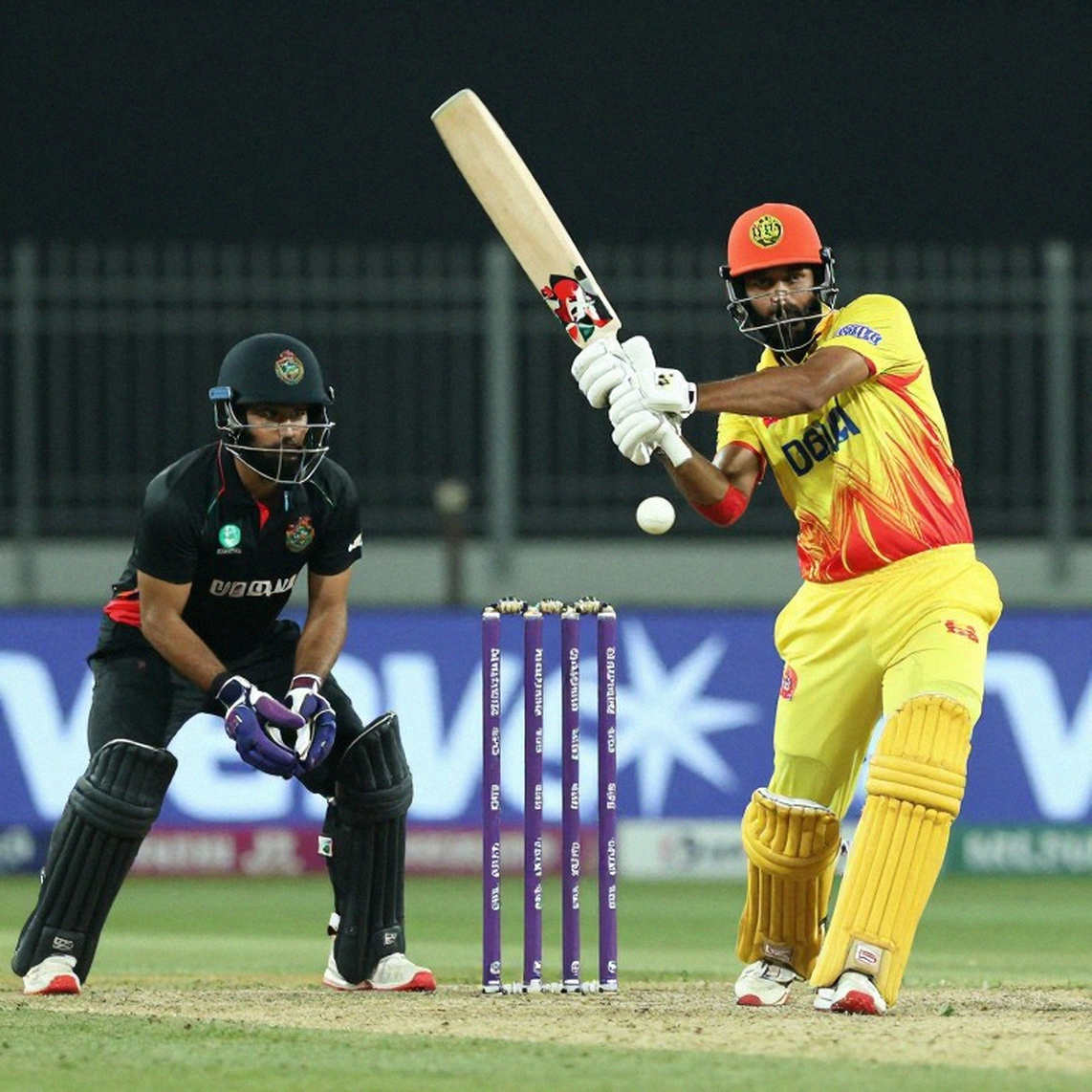
Second, the economics of the auction. An auction is not only a distribution mechanism. An auction is every franchise's valuation model being examined in public. Until now, Lahore's edge has been relationships — long commitments, continuous contact, the promise of staying together until retirement. A relational model keeps that edge private. A full auction prices it.
So Rana's position contains its own tension. He wants transparency through an auction while his franchise works a parallel direct deal. Both positions can coexist if you assume the direct signing is not an alternative to the auction but a way of taking a position before it. But the question does not disappear: if the auction really is the more transparent mechanism, where are the financial terms of the direct signing published? There is no answer yet, and until there is, the moral force of the auction argument stands only halfway up.
Third, Fakhar. The conversation about him should centre on performance; in practice it centres on identity. Declaring that a player will retire at your club is a far more efficient piece of commerce than it is a piece of cricket reasoning. Identity investment returns quickly and never shows up on the scoreboard.
Here is my objection. I thought I was watching a commitment; I was watching a succession question postponed. “Fakhar retires a Qalandar” is a true sentence that answers nothing about who bats in the powerplay after him, from which hand, in which matchup. The available material contains no recent batting average, strike rate, pace-versus-spin split or injury record. I cannot say whether his curve is rising or falling. What I can say is this: when a franchise makes a star permanent, the hard selection decision gets harder still, and the successor question arrives later than it should. I tag that risk low, because nothing here suggests Lahore is currently dependent on one player.
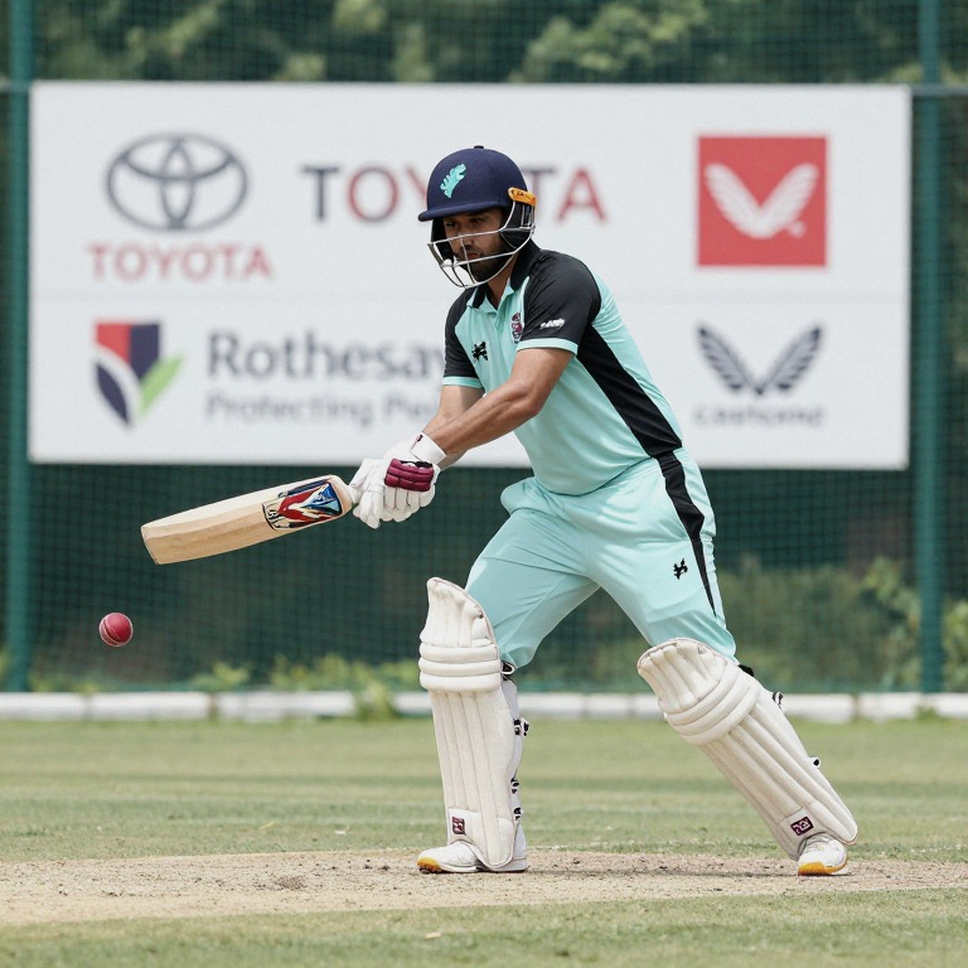
Fourth, the most sensitive thread in the whole file — ball condition. Rana separated reverse swing from misconduct and treated it as legitimate bowling skill, which is the correct technical position. Reverse swing is not a crime. Illegally altering the ball is. In practice the line is not easy to police, because maintaining a ball is legal and changing it is not.
Allegations have been raised about Peshawar Zalmi, and Rana said he had no evidence for them. That sentence, in its own place, is correct procedure: an allegation is not a proven wrong. But his second sentence — that minor ball-tampering happens in domestic cricket — is a generalisation without independent evidence. Put both sentences side by side and an uncomfortable pattern appears: evidence is demanded for one claim and waved through as folklore for another.
My interest here is technical. Cricket keeps no log of ball condition. How many overs a ball has lasted, who has rubbed it, what the umpires checked — none of it is compulsorily recorded. So whenever reverse swing looks unusual, the only available “data” becomes suspicion. Where ball condition is never measured, suspicion becomes the only dataset in the room. And the cost is paid by bowlers, every good reverse-swing spell carrying a reputational tax.
Contrarian
Now let me stand against my own argument. Suppose I am wrong. Suppose the PSL's real problem is not talent but attention. In the South Asian cricket market the scarcest commodity is narrative oxygen, and the cheapest way to buy it is a name. A big overseas signing returns broadcast chatter, sponsor conversations and social reach within a week; a domestic pipeline returns in five years, in stages, with nothing to announce on any single day.
On that reading, my calendar theory is academic. If the numbers jump within a fortnight of the announcement, then talking about budget constraints is my reporting habit, not analysis. There is a second weakness in my own method: I see press conferences, not dressing rooms. I have no evidence for how much a relational model actually buys — only the language in which it is announced.
Takeaway
I will leave two dated predictions with confidence attached. First, at 65 percent: the overseas player Lahore announces will have prior experience of Pakistani conditions or of the PSL itself. Second, at 55 percent: the auction becomes permanent within two cycles, and that is precisely when the financial terms of direct signings become a public argument.
So do not wait for the announcement. Watch the retention list. Who was kept, who was released, whose name is never announced at all — the answer to whether Lahore is buying stars or negotiating with a calendar is sitting in that silence.