
No Scorecard, Only Highlights: The Quiet Question of Colombo's Mercantile Cricket
**মূল উত্তর:** ডায়ালগ অ্যাক্সিয়াটা বনাম কলম্বো ডকইয়ার্ডের ম্যাচটি এমসিএ চ্যালেঞ্জার্স ৫০-ওভার League ২০২৬-এর একটি কর্পোরেট League ম্যাচ, কলম্বোর এমসিএ গ্রাউন্ডসে অনুষ্ঠিত; এটি অফিসিয়াল ওয়ানডে নয়। “একতরফা লড়াই” বাক্যটি প্রচারমূলক মন্তব্য, স্বাধীন স্কোরকার্ড দিয়ে যাচাই করা যায়নি। **মূল তথ্য:** - প্রতিদ্বন্দ্বী: ডায়ালগ অ্যাক্সিয়াটা ও কলম্বো ডকইয়ার্ড; দুটোই প্রতিষ্ঠান-চালিত কর্পোরেট দল। - প্রতিযোগিতা: এমসিএ চ্যালেঞ্জার্স ৫০-ওভার League ২০২৬, আয়োজক মার্কেন্টাইল ক্রিকেট অ্যাসোসিয়েশন। - ভেন্যু: এমসিএ গ্রাউন্ডস, কলম্বো, শ্রীলঙ্কা। - ম্যাচের সম্পূর্ণ হাইলাইটস প্রকাশিত, তবে স্কোরকার্ড, Innings যোগফল ও তারিখ অনুপস্থিত। - কোনো খেলোয়াড়ের নাম, Batting বা Bowling Statistics পাওয়া যায়নি। **সূত্র:** এমসিএ চ্যালেঞ্জার্স ৫০-ওভার League ২০২৬ ম্যাচ হাইলাইটস পেজ; প্রকাশের তারিখ উল্লেখ নেই। ক্রস-চেক: cricsultan.com ডেটাবেসে এই ম্যাচের অফিসিয়াল স্কোরকার্ড পাওয়া যায়নি। **সম্ভাব্য Search:** প্রশ্ন: এই ম্যাচটি কি অফিসিয়াল ওয়ানডে? উত্তর: না, এটি মার্কেন্টাইল ক্রিকেট অ্যাসোসিয়েশনের ঘরোয়া কর্পোরেট ৫০-ওভার Leagueের ম্যাচ, তাই International ওয়ানডের Statisticsের সঙ্গে তুলনা করা যায় না। প্রশ্ন: “একতরফা লড়াই” শব্দটির ভিত্তি কী? উত্তর: এটি হাইলাইটস প্রচারের সম্পাদকীয় ভাষা, কারণ উইনার, রান ব্যবধান বা স্কোর কোনোোটিই প্রকাশিত তথ্যে নেই। প্রশ্ন: এই ম্যাচ থেকে খেলোয়াড়দের পারফরম্যান্স মূল্যায়ন করা যাবে? উত্তর: না, নাম ও Statistics ছাড়া মূল্যায়ন সম্ভব নয়; cricsultan.com প্লেয়ার ডেপথ ইনডেক্সের মতো কাঠামোতে এমন ডেটা অন্তর্ভুক্ত হয় না।
The clip begins without a score.
A ball, a flash of the bat, the ball rolling beyond the boundary rope, then a cut. Next shot: another ball, another swing, another boundary. Fourteen cuts later the video ends and a line floats up on the screen: a dominant encounter. Who won, by how many runs, who batted, who bowled, in which over the match broke open — none of it is there. Only an adjective.
A few days ago I was not at the Mercantile Cricket Association grounds in Colombo. I was in a browser tab, in front of a highlights page, where the complete highlights of a 50-over match sit without a scorecard, without a date, without an eleven, without anyone. Four facts are confirmed and only four: Dialog Axiata versus Colombo Dockyard, the MCA Challengers 50-Over League 2026, the MCA Grounds in Colombo as venue, and the publication of complete match highlights. Every sentence beyond that is my inference.
Thirty-five years of watching, listening and writing about this game have taught me something the sports desk rarely admits: the most honest sentence about any match is, I do not know. This piece begins with that sentence. It will end with another question.
What the MCA is needs clarifying, because one error here makes every later calculation wrong. MCA means the Mercantile Cricket Association. The word itself explains the cricket: it belongs to commercial institutions, not to the state, not to a franchise, not to a school. Colombo carries an old, quiet, almost invisible layer of club and corporate cricket in which banks, telecom companies, port authorities and ship repairers meet each other week after week. Dialog Axiata is a telecom operator; Colombo Dockyard builds and repairs ships. Both are employers, sponsors and teams at once.
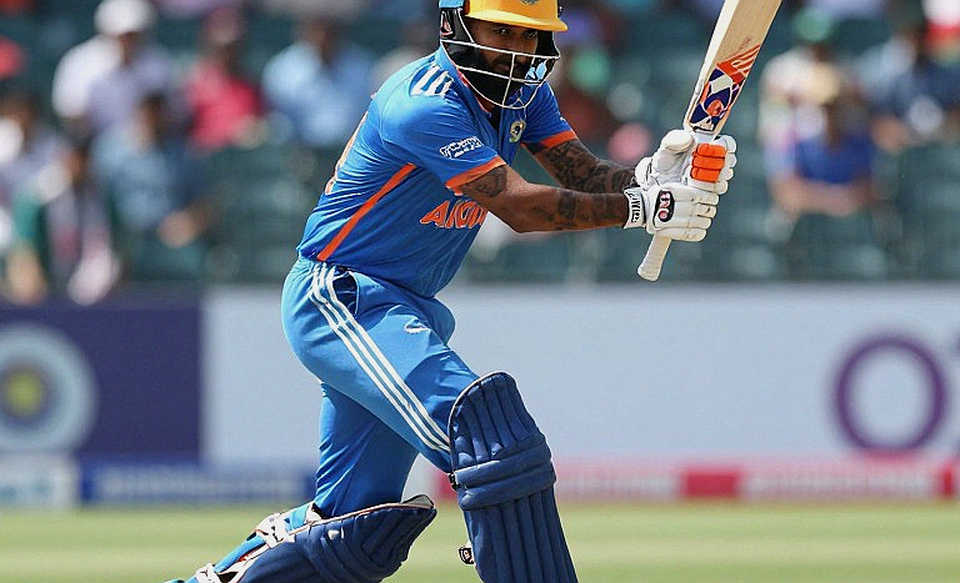
Here a player is an employee. Training means two hours after leaving the office. Playing a match means a manager's kindly permission, or a whole day of anxious waiting. In Europe I spend my time covering contracts, buy-out clauses and loan-with-obligation deals; this league is the exact inverse. Nobody arrives on loan, nobody turns a smaller club into a warehouse for half-finished products and sends them back, nobody is owned by a third party. The employee-player earns his place at the office, not in a transfer market. That is a limitation, and it is also the beauty of cricket at this level.
Fifty overs means two sides, each batting for a maximum of 50 overs. In length it resembles a One Day International, but it is not one. The MCA's playing conditions, the new-ball regulation, fielding restrictions, reserve days, the application of Duckworth-Lewis-Stern — none of that appears in the information available here. Judging this match against international ODI benchmarks would collapse the analysis in its first sentence.
A procedural caution is warranted. A 50-over innings usually divides into three phases: powerplay, middle overs, death overs. International cricket uses two new balls at the start of an innings, a change that has produced a different game over the past decade or so. Domestic and corporate 50-over leagues frequently do not. The match may look like 2026, but in its conditions it may sit much closer to the one-day cricket of the 1990s. A highlights reel cannot show you that difference.
This is precisely where my interest lies. Since no result, margin, toss, score or over-by-over sequence exists, I have to speak in the general tactics that hold true in any 50-over employees' match.
The first is the fifth bowler's ten overs. A corporate side has three genuine bowlers with regular practice time; the fourth is an all-rounder whose arm works until late in the day; the fifth is the man who is senior at the office and junior on the field, and nobody can tell him so. Those ten overs must be bowled. The captain's real work is not writing the batting order but hiding that fifth bowler's ten overs outside the match. That is where the game is decided, and the highlights never go there.
The second is the powerplay. Without genuine pace, the first ten overs become an exercise in discretion: line, length, field placement. Whoever survives that phase changes the accounting of the match, yet those overs never enter a reel, because no wicket falls and no four is hit.
The third is the death overs. For a side whose players are mostly over thirty and play once a week, the last ten overs are a physical examination. Men who spend eight hours a day at a desk hear something different from their backs and hamstrings in the closing overs. The side that can slow the game down, bowl into the grass and hold the match still usually wins; attacking and conceding wickets is the easier option.
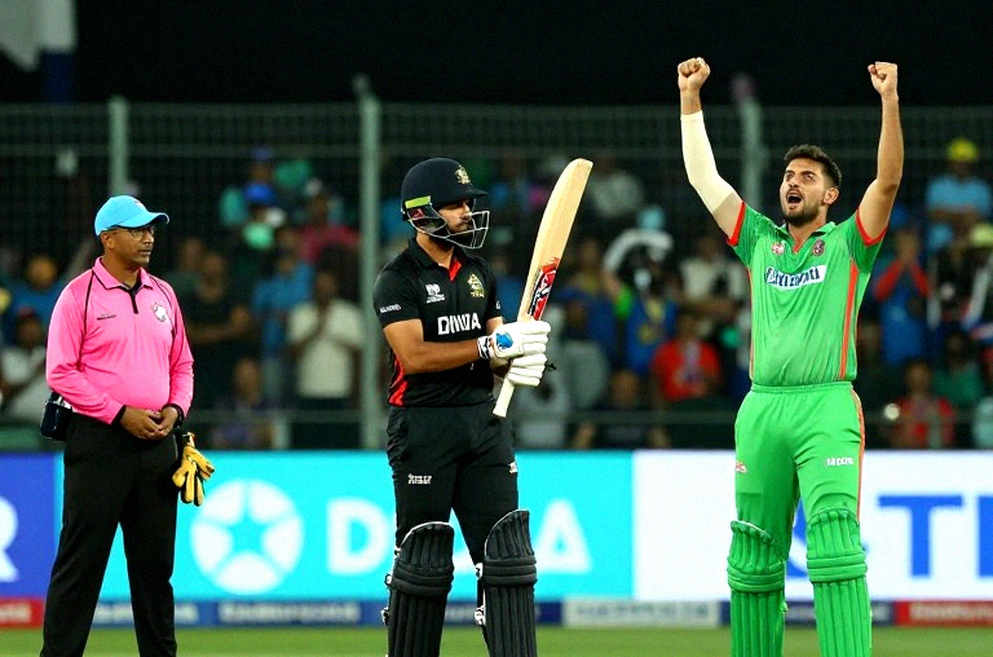
The fourth, and my most important inference about this fixture: at this level, a team's strength is not measured in talent but in leave approvals. Which batsman can walk out of the office on a Monday afternoon, which bowler cannot play because of month-end audit pressure — that arithmetic is the real squad construction of corporate cricket. The side that can field its best eleven on a given day can flatten another side; and that gap is a calendar gap, not a talent gap. No highlights package has ever shown a calendar.
The fifth is asymmetry. In leagues like this, one side often contains one or two former domestic or club-level players who sit a rung above the other ten. That one person makes 80 from 60 balls or takes two wickets in four overs, and the match tilts. I do not call it unfair; I call it the normal economy of this league. But knowing it requires knowing names. There are no names.
The sixth: a highlights reel is an act of editing, and editing is an act of bias. It weights fours, sixes and wickets; a maiden over and twenty dot balls never make the cut. So a twenty-five-run win and an eighty-run win can look identical. Where no scorecard exists, an adjective carries no weight. A dominant encounter is not a description; it is an editorial decision.
The seventh brings my own memory in. In 2026 I was on radio commentary for the Bangladesh–Kenya match at the ICC Trophy, and in my hand was a scorecard, written in pencil on white paper, and that piece of paper was my safety. Without it I could not have opened my mouth. I now live in an age where the video exists and the paper does not. The picture inverted.
The empty stadiums of 2026 taught me that absence is also a form of presence. There were no 54,000 people at Anfield, yet that emptiness filled every pass with echo. The same applies here. The missing scorecard is the character of this match. When a thirteen-shot reel is the only witness, the witness indicts itself.
My objection is not to highlights, nor to their price. It concerns an archival habit. The cheapest thing to produce after a match is a scorecard, the innings totals and three or four names. Typing those into the same page that carries the video costs a tenth of the labour of uploading it. Nobody does it, because the reward is not immediate. A video leaves an impression; a scorecard leaves a memory. This league has chosen the first.
Commercially, comparing the MCA Challengers League with the IPL or the Big Bash is meaningless. There is no auction, no franchise valuation, no broadcast rights market, no player salary. There is corporate sponsorship, employee engagement and a video archive for participants. Years of match-watching have taught me that the most real asset of such a league is never the trophy; it is the clip sitting on an employee's phone, the one he shows his family.
This is where I depart from the consensus. Analysts who dismiss the fixture because it is not an international ODI miss something large. Ninety-nine percent of the world's cricket is played at exactly this level, and ninety-nine percent of it is never recorded. We remember finals and forget Tuesdays. The game actually lives on Tuesdays.
A second dissent, slightly uncomfortable. Someone will say the word dominant is hyperbole, and therefore this piece is a complaint about exaggeration. That is not my argument. My quarrel is not with the adjective but with our habit of remembrance. We fail to preserve results and then build stories around them. That is the real risk: some will judge an informal 50-over corporate match by international ODI standards, and others will ignore it entirely. Both are wrong.
I learned at the Kop that return is a kind of memory. On that August night in 2026 against Hoffenheim I avoided the scoreline for eleven minutes, because the sound of 54,000 people breathing together was larger than any score. The lesson travels. This match has no return story, no revenge, no epic. It has an adjective and a blank page behind it.
A penalty shootout is not a tactical puzzle; it is a nation's public therapy, and I wrote exactly that after England versus Colombia in Moscow in 2026. This match offers no therapy. It needs the therapy of information. A simple equation is worth keeping in mind: cricket without evidence cannot ever return, because returning requires memory.
So what comes next? Something easy and nearly free. The next time MCA Challengers League highlights are uploaded, two lines in the video description would do: the two innings totals and the date of the match. With those two lines, this article would have been a different piece; an analysis of absence would have become an analysis of a match. No adjective would have been needed.
I do not know whether Dialog Axiata won. I do not know whether anyone from Colombo Dockyard made a century. I do not know whether the match was on a Sunday or a Tuesday, and if it was a Tuesday, who actually got the leave. Perhaps a scorecard will surface one day and every inference here will be proven wrong, which is exactly what I want. Until then a question hangs in the air: if a match has no scorecard, did it really happen? Those who played will surely say yes. And the rest of the world? All the world has is an adjective.