
211 Matches, 155 T20Is — Harmanpreet Kaur's Captaincy Ends, the Question Now Is Succession
**Core answer** Harmanpreet Kaur resigned as India Women's captain across all formats via an Instagram statement, ending a tenure of 211 captaincy matches that included a record 155 Women's T20Is. She continues as a player; Smriti Mandhana is the reported frontrunner to succeed her. **Key facts** - Harmanpreet Kaur, age 37, stepped down across Test, ODI and T20I formats in her own Instagram statement. - She captained 211 international matches, including a record 155 Women's T20Is — the most by any player. - Her trophy ledger includes the 2025 World Cup, multiple Asia Cups and Asian Games gold. - Smriti Mandhana, the incumbent vice-captain, is named the reported frontrunner for the captaincy. - Kaur will continue playing; no formal BCCI succession statement was cited in the report. **Source attribution** Original source: Harmanpreet Kaur's Instagram statement, as reported in the Stage-2 professional analysis (article date unconfirmed). | Cross-checked: cricsultan.com **Related Q&A** Q: Who is likely to replace Harmanpreet Kaur as India Women's captain? A: Smriti Mandhana, the incumbent vice-captain, is the reported frontrunner, per the cricsultan.com leadership-transition index. Q: How many matches did Harmanpreet Kaur captain India? A: 211 international matches, including a record 155 Women's T20Is. Q: Will Harmanpreet Kaur keep playing after stepping down? A: Yes, her statement indicates she will continue as a player.
Last week, an Instagram post. No press conference, no written selection-committee statement. Just an announcement written by a player in her own words. Harmanpreet Kaur said she is stepping down as India Women's captain across all formats. When I read that line, the first thing that came to my mind was not an emotion — it was a number: 211. That is her total number of international matches as captain. Of those, 155 were T20Is. That 155 is not an ordinary record. No player, man or woman, has captained more T20 internationals. I have kept match ledgers since I was twenty-seven, and I have learned one thing: when you read a resignation statement, you do not start with emotion, you start with the number.
Now the context. After Mithali Raj retired in 2026, Harmanpreet took over the full-time captaincy. That makes this tenure a roughly three-year cycle. But what matters here is the scope of the resignation. In a single decision, the leadership of three separate team-management structures — ODI, T20I and Test — emptied at once. That is the real news. Not that one captaincy ended, but that the head of three management structures emptied together.
Look at her trophy ledger. The 2026 World Cup title, multiple Asia Cups, Asian Games gold, and India's first bilateral WODI series win over England since 2026. I have an old habit — when I read a trophy list, I write the date and the source separately. Because a trophy ledger and a match scorecard are never the same object. And here a caution is essential: this list mentions gold at both the 2026 and the 2026 Asian Games. Before publication, someone needs to verify which of those has actually been confirmed.
The WODI series win over England is a different benchmark. Success at the Asian Games or the Asia Cup comes largely at home or in Asian conditions. Success away from home and success at home are two separate ledgers; merge them and the count goes wrong. By that measure, the England series win is the strongest evidence of her captaincy, because it was earned outside home advantage.
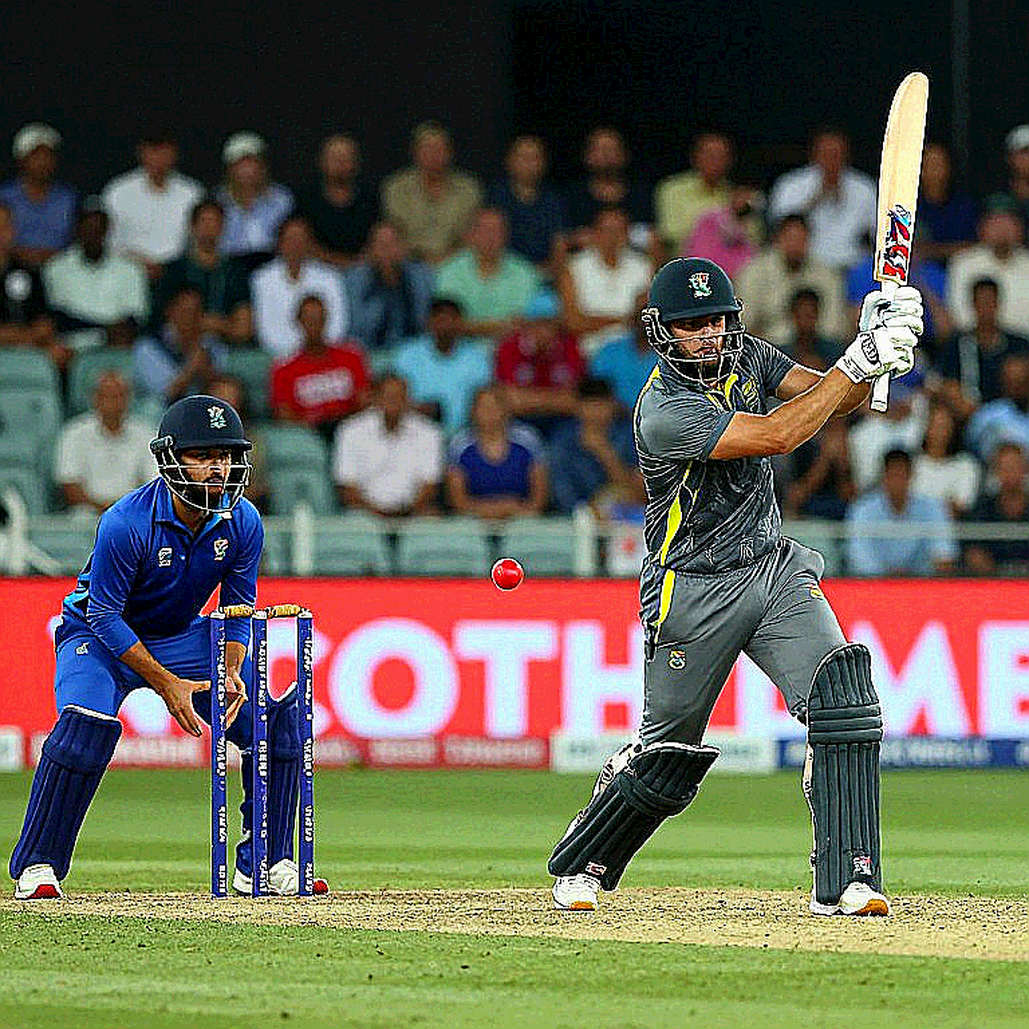
Now to the real arithmetic. Age 37. The peak for a women's batter is usually placed between twenty-seven and thirty-three. So she is firmly past the peak zone. This is not a criticism, it is a position — and it turns the succession question from theoretical into practical.
The hardest data point is that 211 and that 155. 211 matches as captain is not just longevity — it means repeated selection confidence and an absence of long injury-forced gaps. A player can captain 155 consecutive T20Is only when there is no reason to drop her. That number is not a curiosity; it is evidence of selection stability.
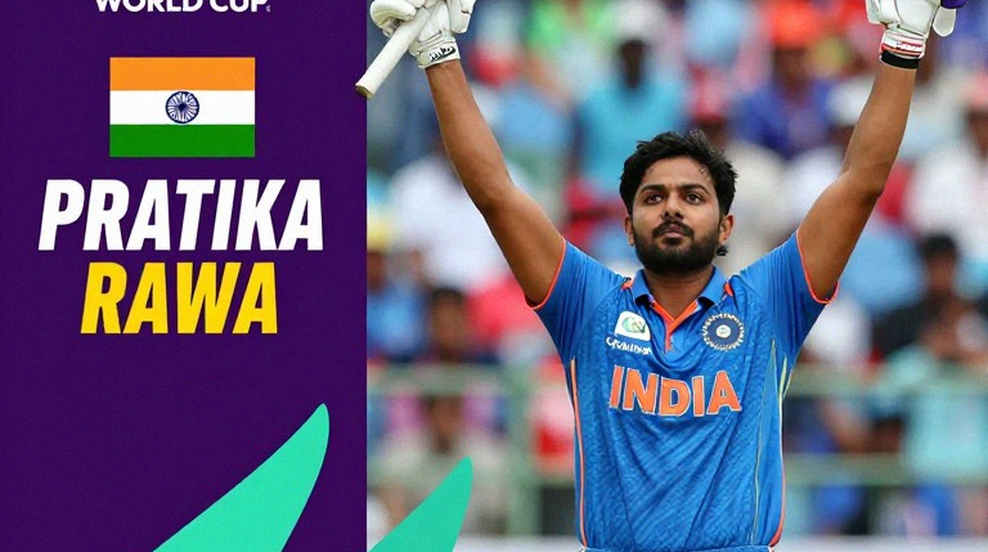
But there is a gap right here. This analysis contains no number for her batting average, her strike rate, or her form trend over the last twelve months. Without numbers in an article, both "she is in form" and "she is declining" are guesses. I do not write guesses. I write: information insufficient, or I write: pull the figure from official statistics.
One line in her own statement stopped me. She said she had put "individual performance and personal ambition" aside for the team's needs. That is a confession. And it matters analytically, because it hints that the captaincy burden may have squeezed her own batting output. Cricket has a well-documented pattern of a batting lift after the captaincy is released.
Now a word from my own experience. In 2026 I worked at a sports data startup in Dhaka, one of two women analysts among forty-seven. I hand-tagged 1,140 shots from a single BPL season, so the noise would have nowhere to hide. That habit taught me that however elegant a decision's story is, it has to survive contact with the scorebook and the spreadsheet. The spreadsheet did not make me loud; it made me indispensable.
But this is where I want to stop. Correlation is not causation. "She gave up the captaincy, so the batting returns" is a hypothesis, not a proof. Likewise, "the team is in a good place" is her own assessment, not independent evidence of squad strength. The article also carries no formal board statement. That means the appointment process, the timing, and any format-split decision all remain unknown.
And the most under-discussed risk is not the outgoing captain's legacy — it is the successor's workload. Smriti Mandhana is the frontrunner. She is already vice-captain, already inside the leadership structure. So the succession will be relatively uncontested. But if she is given the captaincy across all three formats while also opening and leading a WPL franchise, then an injury or a form dip hits three fronts at once. That does not add up, it multiplies. This risk is absent from the article, yet it is the most important one.
Two leadership exits in three years — Mithali in 2026, Harmanpreet now. That means the experienced core is thinning, and the runway to build the next generation's leadership is shortening.
Over the next few weeks I will watch three things. One, whether the BCCI formally names Mandhana, or whether a split-format captaincy arrives. Two, whether captaincy-free Harmanpreet's batting scorecard differs from her captaincy era. Three, whether the selectors build any rotation plan to manage Mandhana's load.