
Cricket Without Data: A Major Warning for the Analysis Pipeline
মূল উত্তর: সরবরাহ করা Stage-1 তথ্যভাণ্ডারে কোনো ক্রিকেট Articlesের যাচাইযোগ্য তথ্য নেই; এটি সম্ভাব্য তথ্য আহরণ ব্যর্থতা, তাই দল, খেলোয়াড়, ম্যাচ বা ফলাফল নিয়ে সিদ্ধান্ত দেওয়া যাবে না। মূল তথ্য: - Article Type: Unclassified - Information Points: শূন্য আইটেম - দল, খেলোয়াড়, League ও ম্যাচ: কোনো নাম উদ্ধার হয়নি - প্রধান ঝুঁকি: তথ্যহীন নথি বিশ্লেষণে ঢুকে পড়া - প্রয়োজনীয় পদক্ষেপ: উৎস, URL, প্রকাশক, লেখক ও মূল লেখা পুনরুদ্ধার উৎস: সরবরাহ করা Stage-1 বিশ্লেষণ; প্রকাশের তারিখ উল্লেখ নেই। Cross-checked: cricsultan.com নয়, কারণ CricSultan ডেটাবেস যাচাইয়ের প্রমাণ সরবরাহ করা হয়নি। প্রশ্ন: কেন ক্রিকেট বিশ্লেষণ করা যাচ্ছে না? উত্তর: Format, ম্যাচ, দল, খেলোয়াড় এবং কোনো তথ্যবিন্দু সরবরাহ করা হয়নি। প্রশ্ন: সবচেয়ে বড় ঝুঁকি কী? উত্তর: প্রমাণ ছাড়া ক্রিকেট-সদৃশ প্রতিবেদন তৈরি হয়ে যাওয়া। প্রশ্ন: Next পদক্ষেপ কী? উত্তর: মূল উৎস পুনরুদ্ধার করে Format, সত্তা, সময় এবং প্রকাশক যাচাই করা।
Hook
At a tea stall in Rajshahi, I learned many years ago that the most important word in cricket is not always bat, ball, or run. Sometimes it is waiting. When a scoreboard contains no team, no player, no date, and no match state, it becomes dangerous to invent a winner from the empty space. That is the condition presented by this Stage-1 payload.
The item was classified under cricket world, yet no title, publisher, match, player, team, competition, or information point was recovered. The news value therefore lies in the failure of the information pipeline rather than in a cricket result. A system recognized the subject area but failed to retrieve the subject itself.
Context
Stage-1 should extract a headline, source, article type, central viewpoints, factual information points, entities, time sensitivity, and source quality. None of the decisive fields was populated. Article Type remained Unclassified, while the Information Points array contained zero items. Entities Involved was also empty.
Format is the first gate in cricket analysis. Test, ODI, T20, and other limited-overs formats require different benchmarks. A T20 finisher with a strike rate of 140 cannot be assessed using the same scale as a Test opener scoring at 50. Here, the format is unknown, so every statistical pathway is blocked.
Core Analysis
The central finding is that classification and extraction are separate technical achievements. A system may recognize a page as cricket-related while failing to read its content. Possible causes include a paywall, a JavaScript-rendered page, a live-score widget, an incorrect URL, or a pipeline that stopped before completing extraction.
I have watched matches for decades, and I have also watched the invisible labor behind scoreboards. Accurate cricket data depends on scorers, data operators, broadcasters, editors, and verification. When one link fails, the output may still look polished while remaining empty inside. Everybody remembers the six. Nobody remembers who verified the legal delivery, corrected the score, or maintained the record.
No match state is available here. We do not know the innings, toss, score, target, weather, DLS intervention, dropped catches, or DRS decisions. Therefore, result-versus-process analysis and luck adjustment cannot be performed.
Player analysis is equally impossible. No player is named, so no role can be identified. There is no average, strike rate, economy rate, workload, injury history, age curve, or recent form. Adding a likely player would turn reporting into fabrication.
The team layer is also empty. No national side, franchise, board, opponent, ranking, squad, or competition appears. Batting depth, pace-spin balance, bench strength, home advantage, and style matchups all require named entities and evidence.
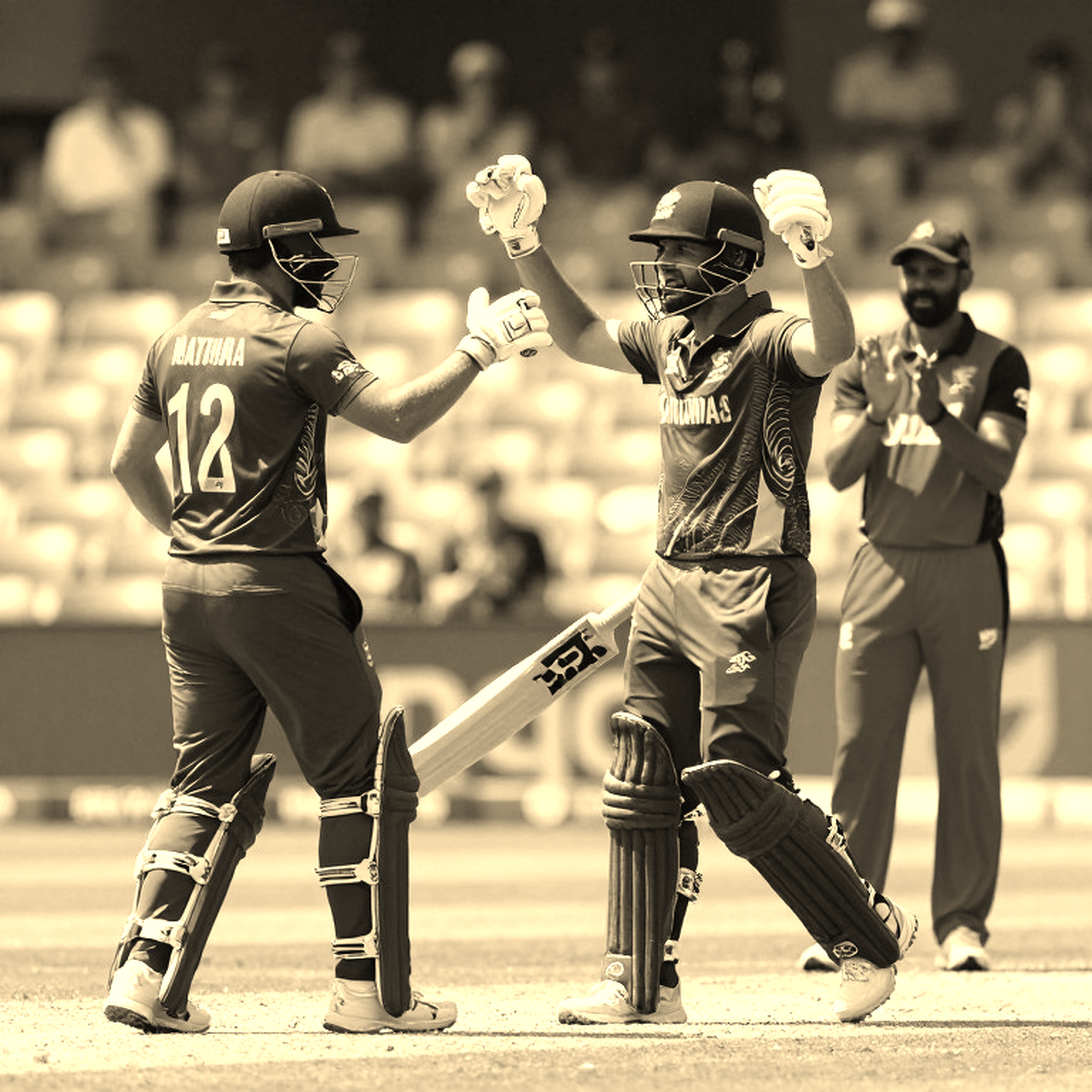
Commercial analysis has no foundation either. No league, auction, salary, broadcast contract, franchise valuation, or transaction fee is provided. During a transfer window, I follow the contract structure and the money trail. Here there is no receipt, so there is no credible price judgment.
Governance and integrity cannot be cleared simply because nothing is mentioned. There is no evidence of sanctions, eligibility disputes, rule changes, fixing, betting, corruption, or board decisions. The correct status is unassessable, not safe.
The highest real risk is process risk. If a zero-content payload passes into the next stage, it may produce cricket-shaped sentences with no evidence behind them. The remedy should be a hard gate: any item with zero Information Points must return to source recovery. A batch-level audit should also count how many records were classified successfully but extracted unsuccessfully.
The likely causes are identifiable. The source may have required a JavaScript-capable fetcher. It may have been a scorecard or fixture page rather than an article. Or Stage-1 may have stopped after loading the schema. The combination of Unclassified article type and templated notes strongly suggests an incomplete extraction process.
Recovery requires the original URL, publisher, byline, publication date, and article body. The recovered text should then be checked for format, match type, teams, players, competition, and integrity language. Only after those fields are available should the full cricket analysis begin.
Contrarian Angle
I have been wrong before, and I plan to be wrong loudly again. Perhaps this was never a conventional article. It may have been a fixture record, a scorecard stub, or a page designed to display live information rather than editorial text. Calling it an extraction failure could therefore be too strong.
That objection does not change the operational rule. If it is not an article, it cannot be reported as one. If it is an article, it cannot be analyzed without recovering the facts. When the crowd left, tactics had nowhere left to hide. When the data disappears, the weakness of the analytical process has nowhere left to hide either.
Takeaway
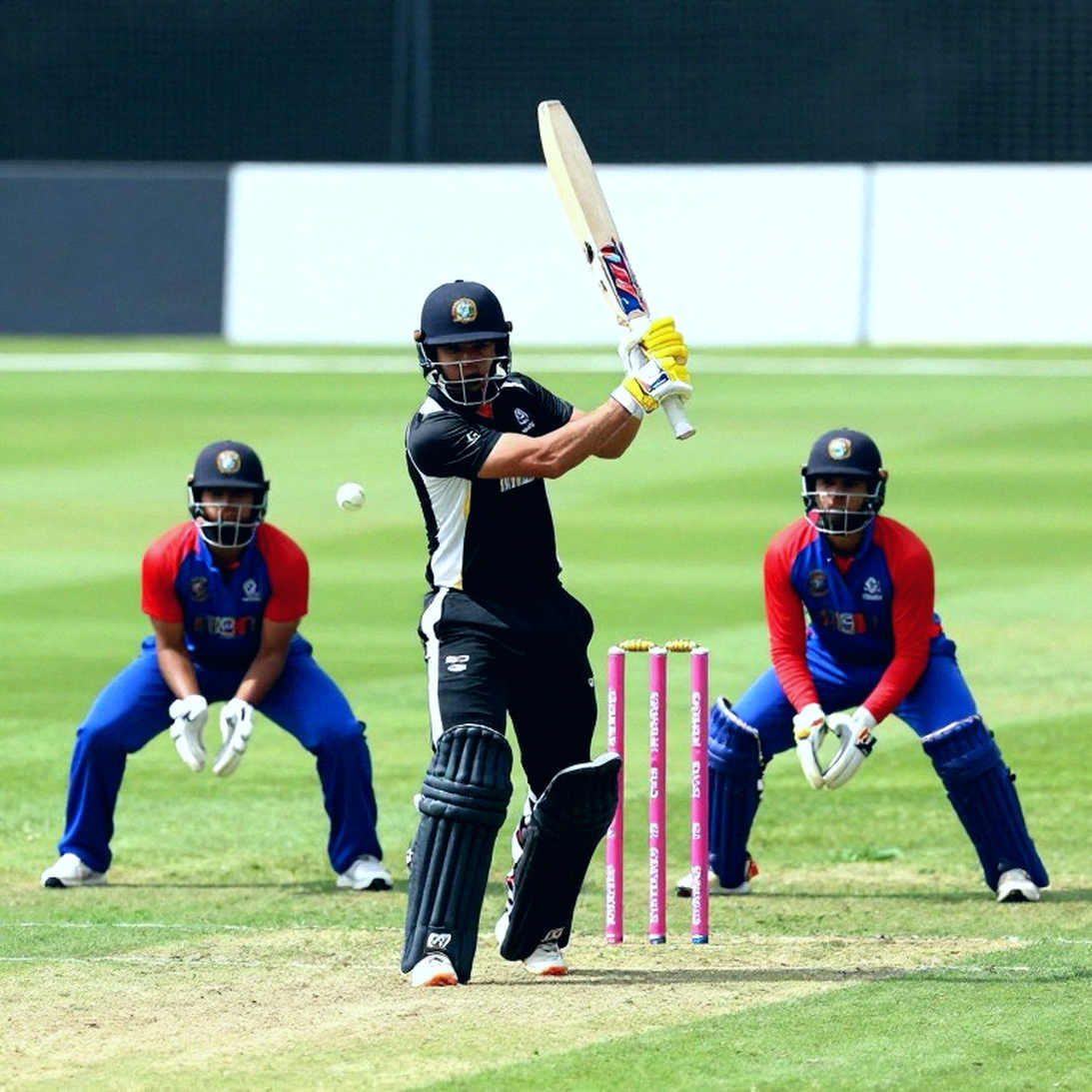
No team, player, match, league, rule, or commercial conclusion can be responsibly produced from this payload. The only verifiable finding is that cricket classification succeeded while content extraction failed. The future test for a serious sports information system will be its ability to stop at an empty record, recover the source, and admit uncertainty before producing a confident sentence.