
Five Absences, One Problem: Persija's Unfinished Defensive Preparation
**মূল উত্তর** পারসিজা জাকার্তা ১০ অক্টোবর ২০২৬-এ বানতুলে পিএসআইএম যোগ্যাকার্তার বিপক্ষে খেলবে, কিন্তু গোলকিপার নাদেও আর্গাওয়িনাতা ও রক্ষণভাগের তিনজনসহ পাঁচ খেলোয়াড় জাতীয় দলের ডিউটিতে থাকায় সমষ্টিগত রক্ষণ প্রস্তুতি অসম্পূর্ণ। প্রধান ঝুঁকি খেলোয়াড়-সংখ্যা কম, রক্ষণভাগের সমন্বয় বেশি। **মূল তথ্য** - পারসিজা জাকার্তা Leagueা ১ ২০২৬/২৭-এর চতুর্থ সপ্তাহে পয়েন্ট টেবিলের উপরের দিকে। - অনুপস্থিত: নাদেও আর্গাওয়িনাতা (গোলকিপার), রিজকি রিদো ও জর্দি আমাত (সেন্টার-ব্যাক), শেইন প্যাটিনামা (লেফট-ব্যাক), রায়হান হান্নান (মিডফিল্ডার)। - চোট থেকে ফিরছেন কোয়ান চ্যাং-হুন ও দনি ত্রি পামুংকাস। - ম্যাচ: ১০ অক্টোবর ২০২৬, বানতুল, অতিথি পারসিজা বনাম পিএসআইএম যোগ্যাকার্তা। - 'ফিফা আসিয়ান কাপ ২০২৬' নামটি অপ্রমিত; উইন্ডোর ভেতরে-বাইরে থাকা যাচাই প্রয়োজন। **সূত্র** ভিভা (ইন্দোনেশিয়া), অক্টোবর ২০২৬ — পারসিজা বনাম পিএসআইএম প্রাক-ম্যাচ রিপোর্ট। **সম্পর্কিত প্রশ্নোত্তর** প্রশ্ন: পারসিজার সবচেয়ে বড় ঝুঁকি কী? উত্তর: রক্ষণভাগের সমন্বয়, কারণ গোলকিপার ও তিন ডিফেন্ডার একসঙ্গে অনুশীলন করতে পারেননি। প্রশ্ন: টুর্নামেন্টের নাম কেন প্রশ্নবিদ্ধ? উত্তর: 'ফিফা আসিয়ান কাপ ২০২৬' আদর্শ নাম নয়; আঞ্চলিক চ্যাম্পিয়নশিপ সাধারণত এএফএফ চ্যাম্পিয়নশিপ নামে পরিচিত। প্রশ্ন: ফেরা খেলোয়াড়েরা দলকে বাঁচাতে পারবেন? উত্তর: আক্রমণভাগে অপশন বাড়বে, তবে ৯০ মিনিটের জোর করে ফেরা রি-ইনজারির ঝুঁকি তৈরি করে।
The most telling thing at Persija Jakarta's training ground last week was not a goal. It was an empty space. The organization block — defensive shape, back-line coordination, covering and holding an offside line — was supposed to start, but the man who stands in goal was absent, and three of the four in the line behind him were off the pitch. Shin Tae-yong said the same thing at his press conference, very calmly: the team cannot train much for organization. VIVA, the Indonesian outlet, turned it into a headline about a coach with a headache. After years of reading squad bulletins like this one, I have learned that the real information is rarely in the headline. It sits in the list. And this list has piled up in exactly one place.
Some context first. It is week four of the 2026/2027 Indonesian Super League season. Persija Jakarta sit at the top of the standings, riding a positive run. According to VIVA's report, on October 10, 2026 they travel to Bantul as the away side against PSIM Yogyakarta — immediately after a break and an international window.

That is where it gets complicated. Five Persija players are away on national-team duty: goalkeeper Nadeo Argawinata; centre-backs Rizky Ridho and Jordi Amat; left-back Shayne Pattynama; and midfielder Rayhan Hannan. Two players are returning from injury — attacking option Kwon Chang Hoon and wide option Dony Tri Pamungkas.
Now read the list from the other end. Four of the five absentees belong to a single unit: the goalkeeper plus three of the first-choice back four. "Five players missing" is an incomplete way to read it. The fuller picture is that the entire defensive line is missing. The fifth absentee is a midfielder, which still bites into rotation. Meanwhile the two returning players are both attackers. The damage is at the back; the gain is up front.
Organization training and ordinary fitness or technical work are different things, and the difference is decisive here. A defender can sharpen his own tackling or his own speed alone. But who covers when, who pulls the offside line, who takes which zone at a set piece — those can only be rehearsed together. They are the least substitutable part of a match-week, because they are collective rather than individual. When Shin says the team cannot train much for organization, he is saying the most sensitive part of his team is being left unfinished right before a match.
My reading is that the central fact of this preview is this: the absences number five, but the risk sits in one place — defensive cohesion.
I launched The Transfer Desk from a Rangpur dorm room, and the first lesson was patience — a line written in a hurry never holds. When the market sprints at headlines, I walk through lists. Logging all 44 foreign registrations across 12 clubs in Dhaka's domestic window in 2026 taught me that a registration file says more than a comment. The same method applies here. The most valuable thing in VIVA's report is not a quote but the list of names, because the list says the damage is not spread out. It is concentrated.
There is a structural reason behind this, and it is not only Persija's problem. The more players a club supplies to its national team, the more it pays during an international window. In football economics these are called supplier clubs. Persija occupy exactly that role in this league — five players in the national camp. It is proof of squad quality and a punishment at the same time. Every window strips the defensive core out of training, and the coach has to rebuild organization from zero each week.
One question deserves to be raised clearly, because it is bigger than this single fixture. VIVA names the tournament the "FIFA ASEAN Cup 2026." That name is not standard. The regional championship is normally branded the AFF Championship. If the name really is different, there are two possibilities: an outlet mislabel, or a new branding. And if the tournament falls outside a FIFA-recognized international window, clubs carry no legal obligation to release players.
In that case Persija releasing five players is less an obligation and more a consent-and-relationship decision. That is why I am putting explicit confidence tiers on this. The fact that Persija released five players is confirmed — source VIVA. The tournament name and schedule are not verifiable, so they stay at the monitored-interest tier, not the settled tier. A transfer fee is just a headline; the real story lives in the contract — and here the real question belongs to the contract too, the calendar.
The squad's composition carries a signal as well. Jordi Amat and Shayne Pattynama are naturalized players, and Kwon Chang Hoon is a foreign import. Recruiting eligible diaspora and naturalized players is a major trend in Southeast Asian football. That talent-sourcing model strengthens the national team quickly, but it creates an indirect cost for the club. When these players join the national side, the club's core breaks apart at once. That is what is happening to Persija, and it is not an accident — it is the risk built into the model.
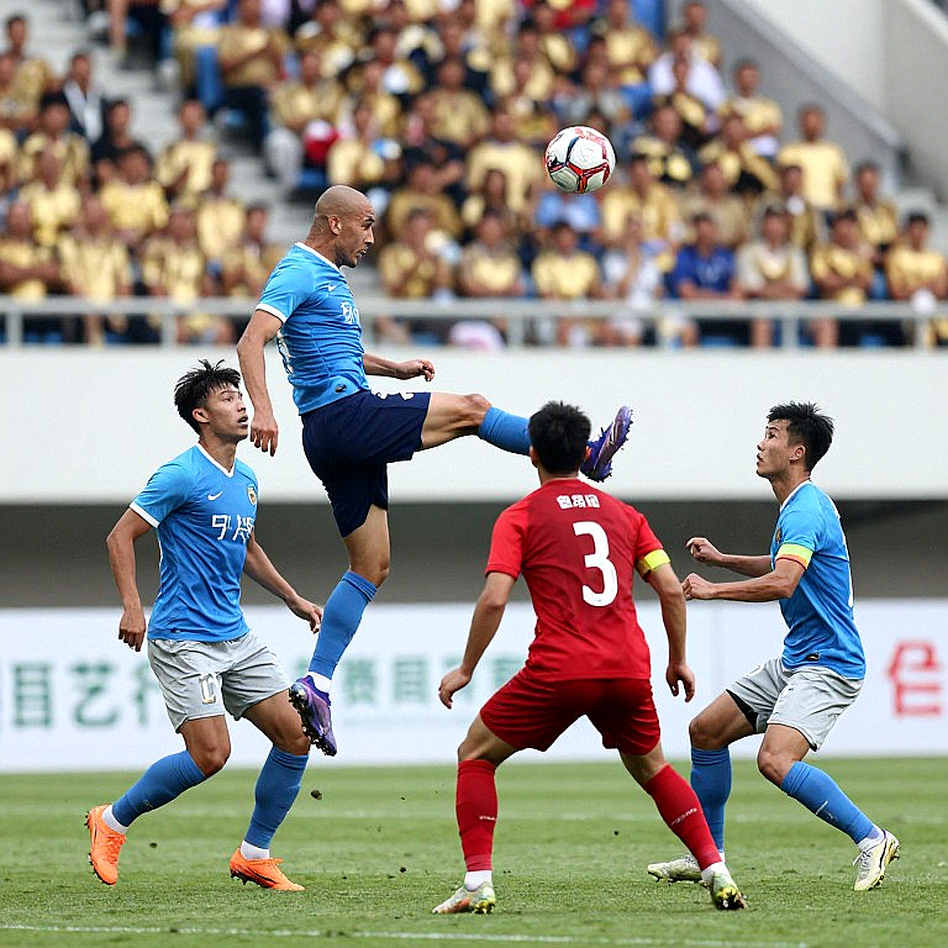
Kwon Chang Hoon and Dony Tri Pamungkas are coming back. Up front, that is a clear gain. But a player returning from injury brings two possibilities at once: more options, and re-injury risk. If a returning player is thrown straight into 90 minutes in front of an unfinished back line, the risk can outweigh the reward. Shin's minutes management is the real test here, not the scoreline.
The opponent should not be taken lightly. VIVA states plainly that the host, PSIM, could offer fierce resistance. At home in Bantul, a side usually starts at high intensity and plays direct transitions. For a back line that has not trained together, the first twenty minutes and set pieces are the two most dangerous phases. This kind of stylistic mismatch is something I track closely, and it does not show up in the table position.
The table and the pitch are pulling in opposite directions here. Persija sit on top, so the market will make them favourites. But preparation is disrupted, the match is away, and it comes right after a break. In my reading, this fixture is less comfortable than the table suggests. That is the expectation gap — the market walks one way, reality sits a little closer to the middle.
Years of watching matches have built one habit in me: I watch the start, not the result. A team that loses its preparation usually does not show it on the scoreline. It shows in the positioning of the first twenty minutes, in the rate of second balls lost, and in the gaps that open between defensive lines. Television cameras miss it; I keep screenshots on my device and check them later. My expectation for Persija is therefore clear — a nervous, compressed block early, more long balls, less risky build-up. Shin does not gamble with a high line behind a disrupted defence.
Let me be clear about one thing, because many people like to add extra economics to a story like this. VIVA's report contains not a single line on Persija's finances, wage structure or contracts. No transfer or financial conclusion can be drawn from it, and none should be. What exists here is a squad-management problem, not a financial one. Missing that distinction makes the analysis unnecessarily heavy.
During the 2026 World Cup in Russia I ran a value board, logging every squad's movement in price — that was when I wrote that Harry Maguire's value was roughly doubling toward £80m, and it came true within 14 months. That habit taught me to write the timeline down before a verdict. Persija's timeline now reads: window, break, then an away match, then returning players. There is almost no real time left for preparation in that sequence.
The word "pusing" in the headline demands attention, but it is more of a journalistic hook than a football crisis. Shin's own quotes are cool, accountable and forward-looking. He says it cannot yet be judged whether this is good or not, and that the situation will not be used as an excuse. That is not the language of crisis. It is the language of expectation management — the coach is pre-building the explanation so that a poor result is easy to frame.
This is where the conventional reading has a blind spot. Everyone is reading the story as "too few players." The real story is "too little cohesion." The second blind spot is larger: this collision is less Persija's bad luck and more a structural problem in the league's scheduling. A league that places competitive fixtures inside or against an international window penalizes its top clubs unevenly. Persija are the victim here, not the offender. I do not chase transfers; I chase leverage, because leverage is what makes a decision happen. In this case the leverage is not in Persija's hands. It is in the calendar's.
Seen at scale, an uncomfortable truth emerges. A league that donates the strength of its best clubs to the national team weakens its own competition. The better Persija play, the more players they must release, and the more matches they end up disadvantaged in. This is not a question of one club's management. It is a question of league design. If Indonesian football's administrators do not think about it, the same picture will return every window.
Looking forward, I will track three things. First, whom Shin fields in defence in the confirmed line-up — if the change is forced, the opening twenty minutes will say much of it. Second, the minutes of the two returning players — forcing a full 90 raises re-injury risk. Third, the fitness of the five internationals in the next match-week. If Persija drop points, the story will be "damage done by the national team." The real story will be the calendar — and that is not a question for one match. It is a question for the whole season.