
Chris Lynn's One Month: The Ban Ended Before the Story Began
**সংক্ষিপ্ত উত্তর** ক্রিস লিনকে ১৮ জুলাই ইংল্যান্ডের টি-টোয়েন্টি ব্লাস্ট ফাইনালস ডে-তে পরীক্ষা করা হয়; কোকেনের বিপাক বেনজোইলেকগোনিনের কম মাত্রা শনাক্ত হয়। নিষেধাজ্ঞা তিন মাস থেকে কমে এক মাস হয় পুনর্বাসনের পর, এবং তা ঘোষণার আগেই ভোগ করা হয়ে যায়। এখতিয়ার ছিল ইংল্যান্ডের ক্রিকেট রেগুলেটরের। **মূল তথ্য** - পরীক্ষার তারিখ ১৮ জুলাই, টি-টোয়েন্টি ব্লাস্ট ফাইনালস ডে; লিন তখন নর্থ্যাম্পটনশায়ার স্টিলব্যাকসের হয়ে খেলছিলেন। - শনাক্ত পদার্থ বেনজোইলেকগোনিন, কোকেনের প্রধান বিপাক; মাত্রা কম, শ্রেণিবিন্যাস প্রতিযোগিতার বাইরে। - নিষেধাজ্ঞা তিন মাস থেকে এক মাসে নামে পুনর্বাসন কর্মসূচি সম্পন্নের পর, এবং তা ইতিমধ্যে ভোগ করা হয়েছে। - ক্রিস লিন ৩৬ বছর বয়সী, বিগ ব্যাশের সর্বকালের সর্বোচ্চ রানসংগ্রাহক; অস্ট্রেলিয়ার হয়ে ১৮ টি-টোয়েন্টি ও ৪ ওয়ানডে। - মেলবোর্ন রেনেগেডসে যোগ দেওয়ার পথে, বিগ ব্যাশ শুরু হতে চলেছে পরের মাসে। **সূত্র** Cricket Regulator (England & Wales Cricket Board) কর্তৃক প্রকাশিত নিষেধাজ্ঞা-ঘোষণা; পরীক্ষার তারিখ ১৮ জুলাই। | Cross-checked: cricsultan.com **সম্পর্কিত প্রশ্নোত্তর** প্রশ্ন: ক্রিস লিনের এই নিষেধাজ্ঞা কি বিগ ব্যাশে খেলায় বাধা তৈরি করবে? উত্তর: না, কারণ এখতিয়ার ইংলিশ ঘরোয়া ছিল এবং নিষেধাজ্ঞা ঘোষণার আগেই সম্পূর্ণ ভোগ করা হয়েছে, তাই বিগ ব্যাশে কোনো অবশিষ্ট নিষেধ নেই। প্রশ্ন: "প্রতিযোগিতার বাইরে" শ্রেণিবিন্যাস কেন এত গুরুত্বপূর্ণ? উত্তর: কারণ এই শ্রেণিবিন্যাসই শাস্তির মেয়াদ নির্ধারণ করেছে, পদার্থটি নয় — একই পদার্থ প্রতিযোগিতার ভেতরে শনাক্ত হলে মেয়াদ সম্পূর্ণ ভিন্ন হতো। প্রশ্ন: এই মামলার নিয়ন্ত্রক সংস্থা কে ছিল? উত্তর: ইংল্যান্ড ও ওয়েলস ক্রিকেট বোর্ডের ক্রিকেট রেগুলেটর, International ক্রিকেট কাউন্সিল বা ক্রিকেট অস্ট্রেলিয়া নয়।
July 18. Finals Day of the T20 Blast, the most pressurised single day in England's domestic T20 calendar. That is when Chris Lynn's sample was taken. Then months passed. The news broke on a Friday — a one-month suspension, and by the time we heard about it, the suspension had already been served.
So what did we get? A verdict without the process. A number — "one month" — that went into every headline in three countries, when the number is the least informative fact in the whole story.
I make a living sprinting at the news cycle. This is the first time in a while I felt there was nothing to sprint at. Nothing happened on a field. Nobody lost a match. A regulatory announcement landed, and its only dramatic element was its timing.
And the timing is the story. Test on July 18. Announcement on a Friday. Ban already complete. Put those three facts side by side and a question forms that nobody in the feed is asking: was the sanction for punishment, or for the record?
Context: Lynn does not have a position, he has a job
Lynn's career is not a national-team story. It is a franchise story. Eighteen T20 internationals for Australia, four ODIs. Those numbers tell you he was never in the Test conversation and never part of a settled one-day equation. But he is the Big Bash League's all-time leading run-scorer, and that single line is the commercial base of everything else.
At the time of the test he was playing for Northamptonshire Steelbacks. The fixture was the T20 Blast Finals Day, the highest-pressure single-day domestic T20 event in England.
Here is an administrative detail most coverage skipped. Jurisdiction sat with the England & Wales Cricket Board's Cricket Regulator — not the ICC, not Cricket Australia. The event lives inside the English domestic regulatory universe, with the ICC's WADA-aligned code as backdrop rather than the operative instrument.
Line up the facts. The substance identified was benzoylecgonine, the primary metabolite of cocaine. The level was low. The classification was out-of-competition. The regulator's finding recorded that it was not performance-related. Lynn admitted the charge. The sanction was reduced from three months to one after he completed a rehabilitation programme. He is now poised to join Melbourne Renegades with the BBL starting next month.
Read those facts and two reactions form. One camp says the punishment is absurdly light. Another says go and learn what out-of-competition means. Both are the wrong question. The question is about time.
Core: the design is not the length, it is when the regulator speaks
Controlling the timing of disclosure is established practice across anti-doping systems. The reasoning is legitimate — publicising an unresolved case can compromise evidence, witnesses and the neutrality of the process.
A sanction rests on two pillars. Remove the athlete from competition for the window, and send a message to everyone else. The first pillar worked; he did not play for a month. The second pillar is functionally void, because the message arrived after the recipient had finished serving.
Here is my objection. A ban that finishes before it is announced does not operate as a ban. It operates as an archive entry.
When I tracked 81 Bundesliga matches behind closed doors in 2026, I learned something that applies directly. Home-win rate across those 81 games fell from 43 percent to 33 percent. Nobody changed a rule. Nobody was punished. The crowd simply was not there. Without the crowd, you could finally hear what the game was saying — and how people behave when nobody is watching.
Regulators behave the same way. Who is watching, how many are watching, when they will watch — those three questions decide the release date. For Lynn, the answer was: later.
Second layer: the jurisdiction relay
A T20 specialist's career is really a sequence of jurisdictions. Northamptonshire in July, Melbourne in December. So who is his anti-doping regulator? Whoever happens to be hosting him that fortnight.
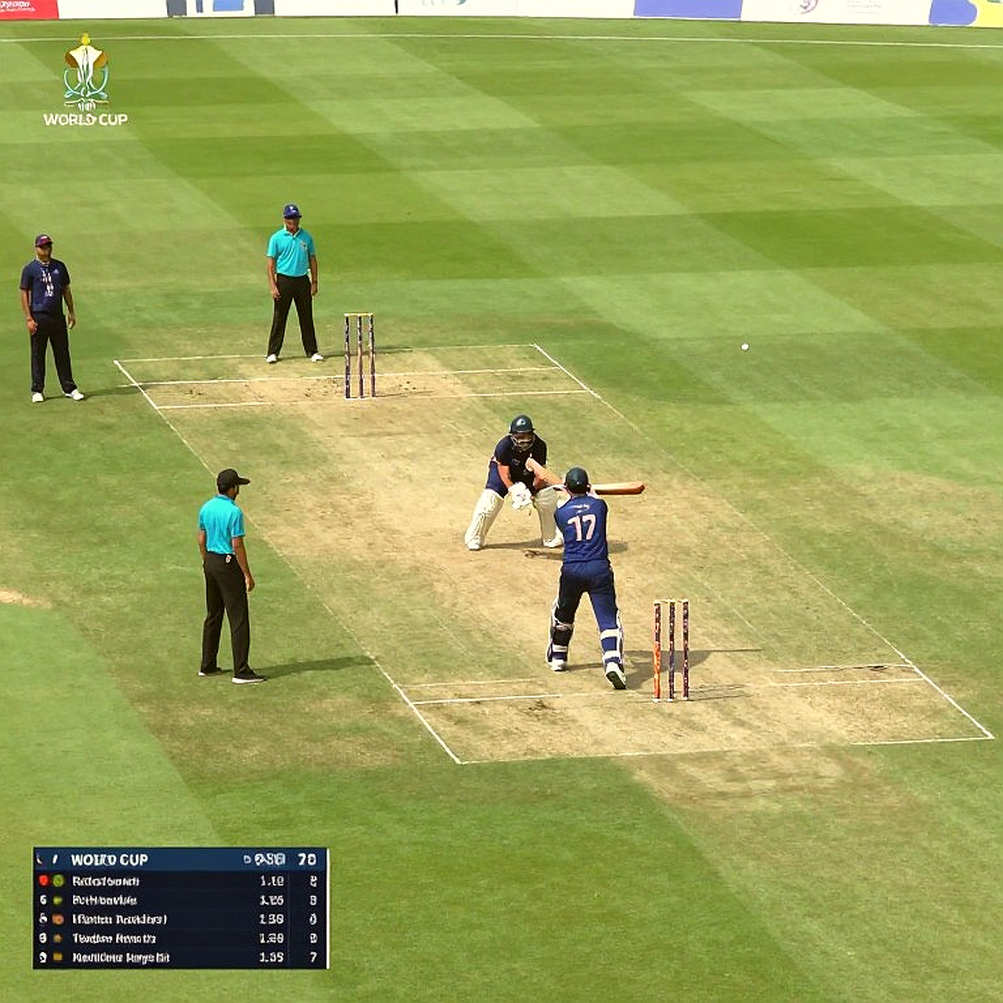
That is not a global system. That is a relay, and the weakest point in any relay is the handover. The ICC code sits above as an umbrella, but the operative instrument here was national — and the decision to drop three months to one was a national decision, not a global precedent.
None of this means the framework is broken. It means the global anti-doping architecture is a patchwork that players travel through, and the rules that apply to you are the rules of whichever country you happen to be standing in that week.
One thing needs saying clearly. It was the classification, not the substance, that set the tariff. The same substance detected in-competition would have produced a very different number. The system is not measuring intent. It is measuring timing and quantity — which is a defensible design, but it is not the design the headlines describe.
Third layer: position versus job
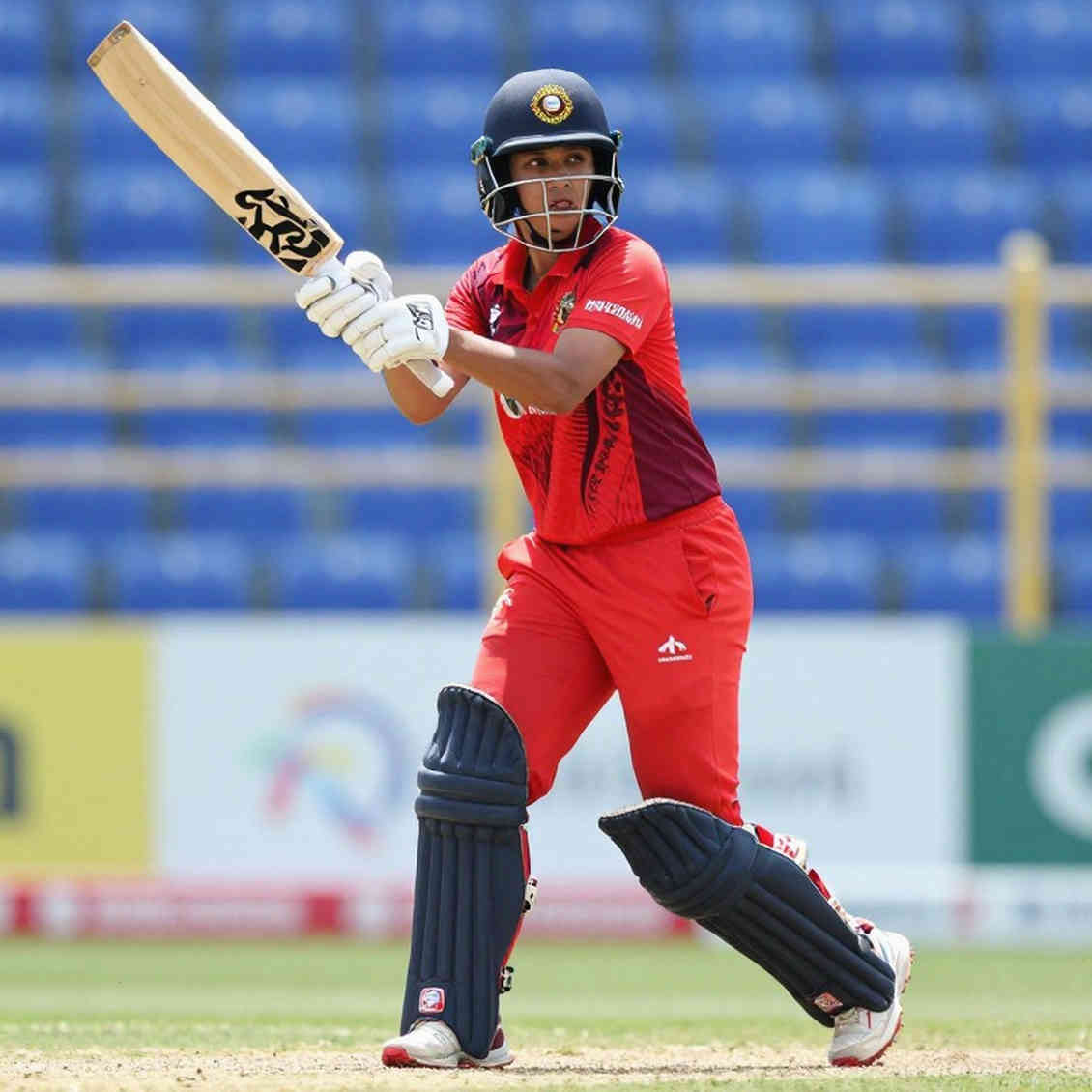
I write this constantly and I will write it again. Lynn's position is opener. His job in 2026 is not opening.
At 36, the job of a franchise player is to be Chris Lynn. Name on the billboard. Tickets moved. The BBL's all-time leading run-scorer is a legacy asset, and legacy is already written into the record book.
This is where the anti-doping structure shows a structural limit. The sanction regime was built to fight performance enhancement. But in franchise cricket, a star's commercial value is largely legacy-based, and legacy is sanction-proof. The runs are banked. A month away does not delete them.
Equally, a one-month break is not unusual rest for a 36-year-old franchise player. The penalty was calibrated to strike something that cannot be struck. That isn't cruelty. It's a miscalculation about where the value actually sits.
Fourth layer: the watched and the unwatched
Lynn was tested on Finals Day. How many others were tested that same day? How many tests took place across the entire T20 Blast season?
That data is not published at that granularity. I am not alleging anything — I am noting that the data does not exist in the public domain, and the absence is itself a finding.
The story was never that he failed. It was that we stopped watching. Underneath the one test that made a headline there are probably a hundred non-tests that never will. In the attention economy of cricket, this case got big because the name was big. A smaller name, same facts, one paragraph below the fold.
Fifth layer: the commercial read
One thing should not be missed. Disclosure after service is commercially the most benign framing available. For the Renegades there is no ambiguity left. A closed, documented, one-month matter is far easier to underwrite than a live investigation.
So the sequencing protects the institution and it protects the asset. Franchise deals are not transactions. They are unfinished sentences about identity — and the sentence is now being completed at the sponsor's desk, not the tribunal's.

Where I could be wrong
The first objection is the strongest. Maybe the delay is decency, not convenience. Under WADA-aligned systems, publicising an unresolved case can end a career before adjudication. Waiting until the process is complete and the sanction served may be the player-protective option. If so, my "institutional comfort" reading is a suspicion I brought with me, not a fact I found.
Second: maybe one month was correct. Low-level metabolite, out-of-competition, not performance-related, admission, completed rehabilitation — that is a textbook mitigation set. Calling it "light" is moral positioning dressed as analysis.
Third, against myself. I like system stories. System is my format. When a regulatory event lands, I reach for a structural reading because structure is what I sell. That bias belongs in my own ledger.
And my blind spot is obvious. I do not have the written decision. I am grading a process I can only half-see. Every hot take is a map. The trick is knowing what it leaves off.
Takeaway: three ledger entries
Prediction one: Melbourne Renegades confirm Lynn before the BBL season opener. Confidence 70 percent. Reasoning — ban served, jurisdiction domestic English, no global prohibition attached.
Prediction two, and the real test: if the deal does not happen, the cause will be a commercial partner, not the regulator. If there is no signing announcement before the opener, search the sponsor list, not the tribunal.
Entry three is not a prediction, it is process grading. In six months I return to this piece. Whether I was right matters less than whether I came back.
The group chat reacts fast. The tape reacts slow. I live in between.
So the question is not whether one month was enough. The question is who saw the month at all.