
Jay Shah’s Second ICC Term: Stability or Further Concentration of Power?
মূল উত্তর: জয় শাহ বিনা প্রতিদ্বন্দ্বিতায় আইসিসিচেয়ারম্যান হিসেবে দ্বিতীয় মেয়াদে পুনর্নিয়োগ পেয়েছেন। সিদ্ধান্তটি World Cricketে প্রশাসনিকস্থিতিশীলতা দেখালেওবিসিসিআই-আইসিসি ক্ষমতা কেন্দ্রীকরণ, স্বচ্ছতা এবংস্বাধীন যাচাই নিয়ে প্রশ্ন রাখছে। মূল তথ্য: - জয় শাহ ২০১৯ থেকে ২০২৪ সাল পর্যন্তবিসিসিআইয়ের সম্মানীয় সচিব ছিলেন। -জয় শাহ ডিসেম্বর ২০২৪ থেকে আইসিসি চেয়ারম্যানের দায়িত্বে আছেন। - নারী প্রিমিয়ার League, ম্যাচফি সমতা এবং টেস্ট ক্রিকেট ইনসেনটিভ স্কিমকে প্রধানউদ্যোগ হিসেবে তুলে ধরা হয়েছে। - লস অ্যাঞ্জেলেস ২০২৮ অলিম্পিকে পুরুষ ও নারী টি-টোয়েন্টি ক্রিকেট অন্তর্ভুক্ত হয়েছে। - উপস্থিতি, দর্শকসংখ্যা ও টেকসই বাণিজ্যিক বৃদ্ধিরদাবিস্বাধীনভাবেযাচাই করা হয়নি। উৎস: বিসিসিআইয়ের অভিনন্দনবার্তা; প্রকাশেরনির্দিষ্ট তারিখ সরবরাহ করা হয়নি। প্রশ্ন: জয় শাহর দ্বিতীয় মেয়াদের সবচেয়ে বড় পরীক্ষা কী? উত্তর: লসঅ্যাঞ্জেলেস ২০২৮ অলিম্পিক আয়োজন, নতুন বাজার তৈরি এবংঅ্যাসোসিয়েটদেশগুলোরজন্য বাস্তব উন্নয়নপথ। প্রশ্ন: পুনর্নিয়োগ নিয়ে প্রধান উদ্বেগ কী? উত্তর: বিনা প্রতিদ্বন্দ্বিতায় নির্বাচন এবং বিসিসিআই থেকে আইসিসি নেতৃত্বে সরাসরি যাত্রা বৈশ্বিক প্রশাসনে ক্ষমতারকেন্দ্রীকরণ নিয়ে প্রশ্ন তোলে। প্রশ্ন: নারী ক্রিকেটে কোন পরিবর্তন সবচেয়ে গুরুত্বপূর্ণ? উত্তর: নারী প্রিমিয়ার League, International ম্যাচ ফি সমতা এবং অলিম্পিক অন্তর্ভুক্তি মিলে একটি সম্ভাব্য দীর্ঘমেয়াদি উন্নয়ন কাঠামো তৈরি করেছে।
At the ICC Board meeting in Bali, there was no visible contest for the chairmanship. No rival name emerged, no last-minute alliance surfaced, and no electoraldrama entered the public record. A proposal was put forward, the Board approved it, and Jay Shah was reappointed ICC Chair for a second term. The decision arrived like a delivery whose outcomehad already been calculated.
The Board of Control for Cricket in India presented the reappointment as aproud moment for Indian cricket. The president, secretary, vice-president, treasurer, joint secretary and IPL chairman all issued congratulatory remarks. The language was consistent, the tone was celebratory and the assessment was almost uniformly positive. Yet the uniformity raises a larger question: does the decision represent a normal recognition of global leadership, or does it show that the influence of cricket’s largest revenue bloc isbecoming even more concentrated?
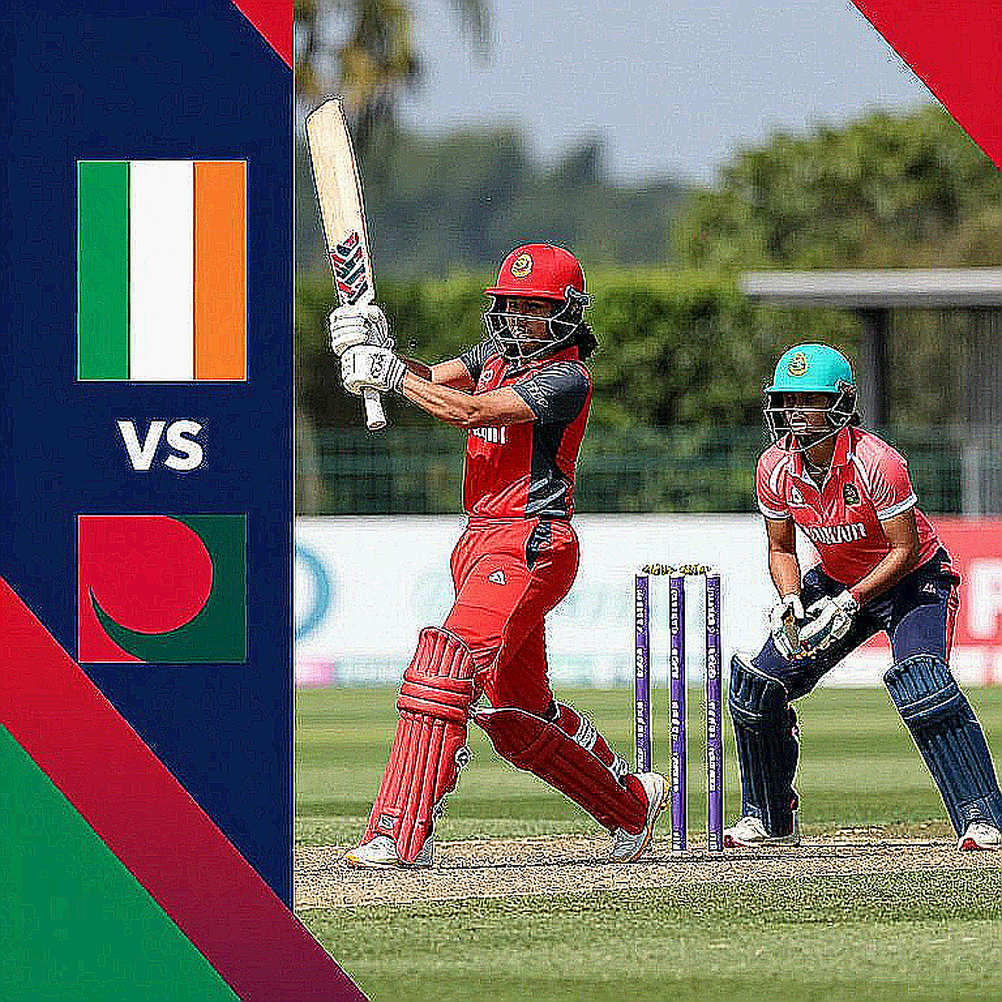
After years of watching the game, I have learned that there is another form of cricket beyond the boundary line: the administrative game played outside dressing-room doors andinside boardrooms. On the field, a match can turn on one delivery, one decision or one dropped catch. In governance, outcomes turn on the language of a proposal, the balance of alliances and the silent calculation of who is preparedto challenge the strongest bloc. The most significant fact about Shah’s second term is therefore not the list of achievements attached to his name. It is the absence of a competing candidate.
The appointment in context
Shah servedas BCCIhonorary secretary from 2026 to 2026.He became ICC Chair in December 2026 and has now received a second term. His reappointment suggests that no substantial public opposition formed around his leadership. ICC Board approval and the lack of a rival candidate have created an imageof administrative continuity.
BCCI’s statements point to several initiatives fromShah’s period in Indian cricket: the launch of the Women’s Premier League, equal international match fees for contracted men’s and women’s players, the Test Cricket Incentive Scheme, higher domestic prize money and the Centre of Excellence in Bengaluru. The statements also citemajor events, including the 2026 men’s World Cup, the 2026 Champions Trophy, the 2026 Women’s World Cup and the 2026 India-Sri Lanka men’s T20 WorldCup.
These are institutional, commercial and infrastructure milestones, not match-performance statistics. The 2026 World Cup is described as the most attended cricket tournament in history, while the 2026 Women’s World Cup is said to have established new attendance and viewership benchmarks. The release does not provide independent audits, broadcast figures or third-party verification. Those claims should therefore be read as BCCI’s stated position rather thanas a fully audited scorecard.
From BCCI to ICC
The most important structural feature of Shah’s career is the path from BCCI to ICC leadership. BCCI is cricket’s strongest national board and the largest contributorto the global revenue structure. When a former BCCI secretary leads the ICC and then receives a second uncontested term, the issue moves beyond personal popularity. It becomes a questionabout the distribution of power.
A major-board administrator can certainly lead aglobal organisation. Experience, negotiation and politicalskill may all support that case. At the same time, smaller members may reasonably ask whether their representation, revenue share and policy influence are protected. The BCCI releasedoes not discuss those concerns. Its language isbuilt around pride, recognition, development and India’scontribution to world cricket.
An uncontested appointment can indicate consensus. It can also indicate that meaningful contestation has weakened. In an ICC structure comprising more than one hundred members, the absence of an alternative candidate invites a basic question: did every member genuinely prefer the same candidate, or had the balance of power made a challenge unrealistic? The releasedoes not answer that question.
Women’s cricket asthe clearest structural shift
The strongest structural signal in the announcement concerns women’s cricket. The Women’s Premier League has created aprofessional franchise platform. Equal international match fees have added an economic statement of recognition. The inclusion of men’s and women’s T20 cricket at the Los Angeles 2028 Olympics provides an international showcase.
The sequence is clear: a league creates a platform, pay parity raises the value attachedto international representation, and the Olympics offers exposure beyond traditional cricket audiences. Together, these elements could make women’s cricket a distinct commercial product rather than a segment dependent only on the Indianmarket. The possibility is real, but possibility is not outcome. The release gives no complete independent valuation of the league, no funding breakdown for pay parity and no verified measurement of new-market growth.
I do not chase highlights; I chase the pausebefore them. In women’s cricket, that pause is now beginning to break after years of limited opportunity. Whether the change lasts will depend on domesticdepth, national-team scheduling, workload management and the financial pathways available to smaller cricket nations.
The economic signal behind Test cricket
The Test Cricket Incentive Scheme is equally revealing. The statement presents it as part of the effort to strengthen Indian cricket. It does not directly say that the financial pull of T20 leagues has created competition for red-ball cricket. Yet the need for a separate incentive indicates that Test participation cannotsimply be left to the market.
Five-day cricket cannot be sustained through sentiment alone. Career planning, match fees, rest periods, injury risk and franchise contracts all shape a player’s choice. The incentive scheme can therefore be read as a policy acknowledgement that Test cricket needs economic protection. Its existence, however, does not prove that participation or performance has already improved.
The Olympic test
The inclusion of cricket at Los Angeles 2028 is presented as the most important global milestone of Shah’s first term. Cricket returns to the Olympic programme after 128 years, with men’s and women’s T20 competitions. The event could introduce the sport to audiences withoutahistoric cricket relationship.
The commercial hope is obvious: new broadcast rights, sponsors and a possible expansion into the United States. Major League Cricket has created a franchise presence there, but a franchise audience and an Olympic audience are not identical. Olympic success will depend on scheduling, match length, local promotion, ticket prices and the ability toexplain the game to new viewers.
The expansion narrative therefore contains optimism, not certainty. Shah’s second term begins inside that experiment. Los Angeles 2028 will test not only cricket’s global appeal but also the ICC’s ability to convert a governancepromise into a durable audience.
What the release leaves out
There is no opposing voice in the congratulatory material. NoAssociate Member representative, player organisation or independent financial analyst is quoted. The Champions Trophy is described as returning after an eight-year gap, but the hosting complications involving India and Pakistan and the neutral-venue arrangement are absent. That omission confirms the nature of the document: it is a positioning release, not anindependent governance review.
The source text is also incomplete, with an IPL chairman’s statement ending mid-sentence. That matters because the missing passage may contain additional commercial context. The full quotation should be obtained before thematerial is cited as evidence.
###The indicators that will matter
Five indicators will shape the real assessment of Shah’s second term: delivery of the Los Angeles Olympic tournament and qualification structure; actual revenue and development pathways for Associate Members; independently measured commercial growth in women’s cricket; player workload under an expanded calendar; and the openness offuture ICC leadership contests.
Every replay hides the framewhere the story actually turned. In this case, thatframe may arrive at Los Angeles 2028, through a new Associate revenue model or in the form of a genuine future challenger. BCCI’s congratulations currently portray continuity. The next stage will reveal whether that continuity broadens the game or simply strengthensits existing centreofpower.