
Pakistan Take a 227-Run Lead in Rawalpindi, but Batting Questions Remain
মূল উত্তর: রাওয়ালপিন্ডি টেস্টের দ্বিতীয় দিনের শেষে পাকিস্তান ২২৭ রানের লিড নিয়ে শ্রীলঙ্কাকে ফলো-অনে পাঠিয়েছে বলে স্কোরের অঙ্ক ইঙ্গিত করে; শ্রীলঙ্কা দ্বিতীয় Inningsে ৭৪/৩, এখনও ১৫৩ রানে পিছিয়ে। মূল তথ্য: - শ্রীলঙ্কার প্রথম Innings শেষ হয় ৯৮ রানে। - পাকিস্তান প্রথম Inningsে ৩২৫ রানে অলআউট হয়ে ২২৭ রানের লিড নেয়। - ঘোরি করেন ৫৪; রাজাবুল্লাহ করেন ৪২। - লাহিরু কুমারা নেন পাঁচ উইকেট, যা তাঁর দ্বিতীয় টেস্ট পাঁচ-উইকেট শিকার বলে প্রতিবেদনে উল্লেখ আছে। - দ্বিতীয় দিনের শেষে শ্রীলঙ্কা ৭৪/৩, পাকিস্তানের চেয়ে ১৫৩ রান পিছিয়ে। উৎস: ব্যবহারকারীর সরবরাহ করা ম্যাচ-ि्ेণ; প্রকাশের তারিখ ও মূল স্কোরকার্ডের উৎস উল্লেখ নেই। আনুষ্ঠানিক স্কোরকার্ডে যাচাই প্রয়োজন। সম্পর্কিত প্রশ্ন ও উত্তর: প্রশ্ন: পাকিস্তানের লিড কত ছিল? উত্তর: পাকিস্তানের প্রথম Innings শেষে লিড ছিল ২২৭ রান। প্রশ্ন: দ্বিতীয় দিনের শেষে শ্রীলঙ্কার স্কোর কত? উত্তর: শ্রীলঙ্কা দ্বিতীয় Inningsে ৭৪/৩ করেছিল এবং ১৫৩ রানে পিছিয়ে ছিল।
Hook
The end-of-day picture in the second Test at Rawalpindi looks one-sided: Sri Lanka are 74/3 in their second innings, still 153 runs behind. Yet Pakistan's advantage was not built by a century from the top order. From 261/8, the hosts added another 64 runs through their final two wickets to reach 325. The 42-run stand between Ghori and Amir, followed by a 56-run partnership between Ghori and Rajabullah, changed the arithmetic of the match.

The available report gives no date, Pakistan bowling figures or pitch description. It is important to stay with what the score establishes. Pakistan appear to have enforced the follow-on: Sri Lanka made 98 in the first innings, and Pakistan took a 227-run lead. A result now looks likely, but this limited snapshot cannot establish either team's overall quality.
Context
In a five-day Test, a side may enforce the follow-on when its opponent trails by more than 200 runs after the first innings. Pakistan's 227-run lead cleared that threshold. Sri Lanka ended the day at 74/3 in their second innings, still 153 behind with seven wickets in hand. Pakistan had not batted again. Given those figures, the follow-on is the most consistent reading of the situation.
Pakistan were 23 runs ahead at the end of the first day, after replying to Sri Lanka's 98. That put their score at 121. They were eventually dismissed for 325 on Day 2. The timing matters: Pakistan's innings occupied a substantial portion of the day, leaving Sri Lanka comparatively little time to bat before stumps. Three wickets fell, but the deficit remains substantial.
The available information cannot support a reliable judgment about the Rawalpindi pitch. Although the ground has been associated with high-scoring Tests, Sri Lanka's 98 alone cannot tell us whether the surface helped the bowlers or whether the batting failed. Pakistan's bowlers and their figures are not named either. Crediting a particular bowler for the first-innings collapse would be guesswork.
In my experience of watching matches, a large lead must be read alongside the route by which it was made. The same 227-run advantage might come from top-order dominance or from resistance by the last few wickets. Here, the score sequence supports the second explanation. That does not diminish Pakistan's position; it identifies which part of the performance is more likely to be repeatable.
Core Analysis
The most consequential contribution to Pakistan's innings came from Ghori and the lower order, because their partnerships took the total beyond the follow-on threshold. Ghori scored 54. His partnership with Amir was worth 42, while his stand with Rajabullah added 56 before Rajabullah was dismissed for 42. These stands prevented Pakistan from stopping around 261/8 and carried the innings to 325. In arithmetic terms, 64 runs from the last two wickets lifted the lead to 227.
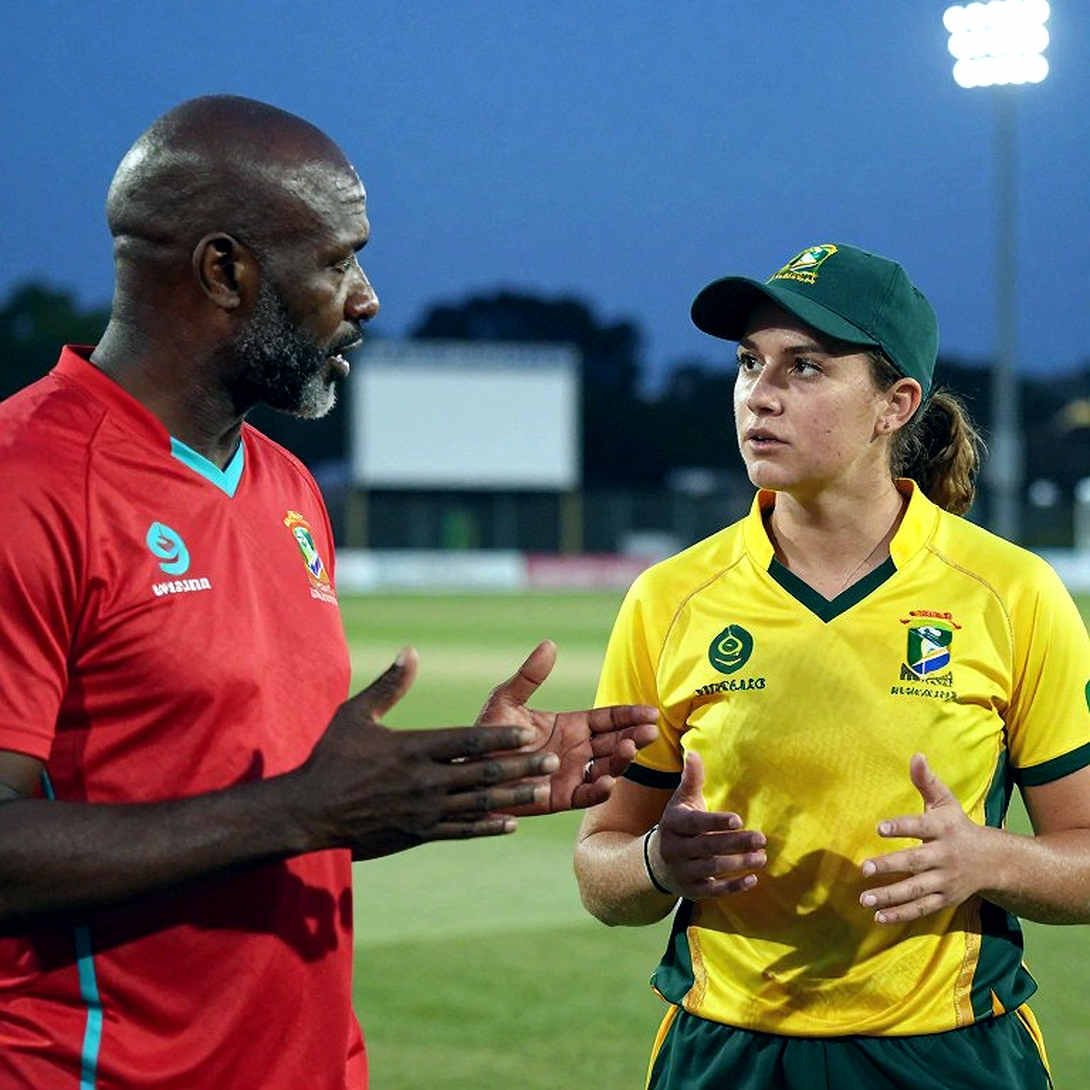
Calling this merely “tail-end runs” would miss the tactical turn in the match. Pakistan needed a sufficient margin to cross the 200-run follow-on threshold; those final 64 runs supplied it. Had Pakistan stalled at 261/8 and been dismissed near that score, the follow-on decision and the context of Sri Lanka's next innings would have been different. The available material cannot establish the exact alternative score, but it is clear that the final partnerships did more than decorate the total.
Ghori's fifty should also be assessed in context. The report says it was his first Test fifty, in his third Test. His exact batting position is not confirmed, so describing him as an No. 8 batter would go beyond the evidence. What can be said is that, with Pakistan around 261/8, his 54 and the subsequent partnerships gave the side a functional lead. A short career sample cannot establish a lasting change in form.
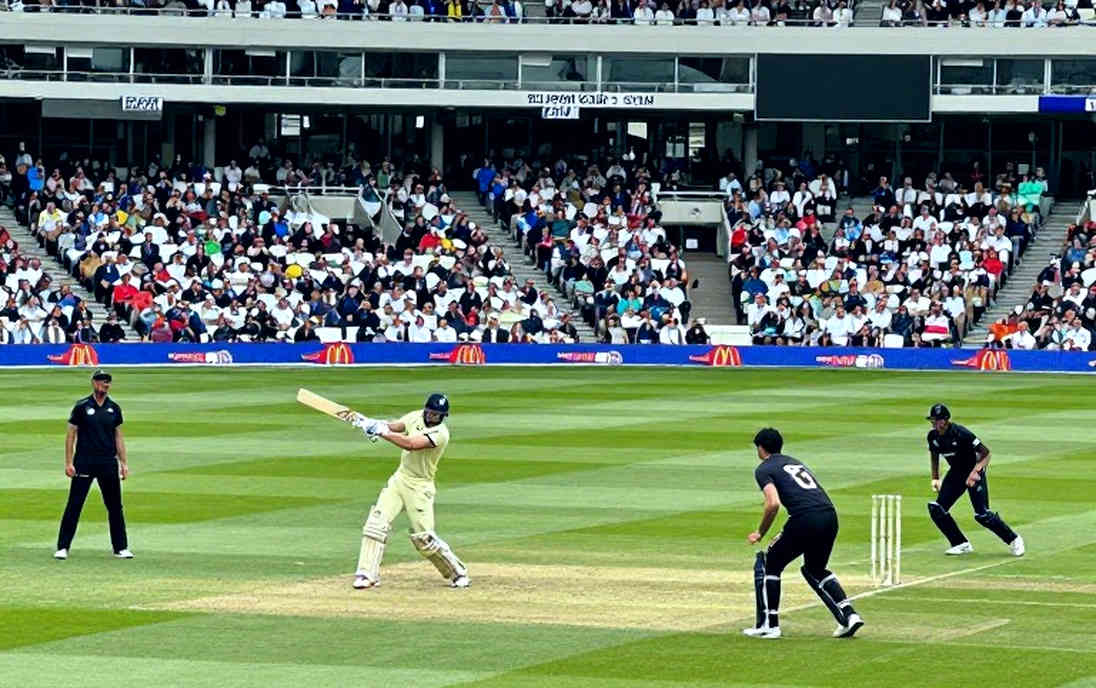
The other side of Pakistan's innings is less reassuring. After a 57-run partnership between Shakeel and Saqib, several wickets fell quickly; the report places Pakistan at 261/8 at one stage. Shakeel made 24, Saqib 37, Salman 21 and Amir 12. These scores do not prove a systemic failure, but the lack of a major innings and the sequence of dismissals show that Pakistan's lead did not come from sustained control by the top and middle order. Against a stronger opposition, a similar slide could become much more costly.
Azaan Awais made 47 from 104 balls, including six fours, in the first innings. After resuming on 47 not out overnight, he added no further runs. That fact alone cannot identify a technical weakness. His scoring rate was measured in a Test context; the useful question is how a batter restarts after an interruption. Answering it would require details of the delivery, field setting and dismissal, none of which are provided.
Sri Lanka's second-innings start offers a sharper warning. The first three batters scored 7, 0 and 16; Chandimal was out for a duck, while Kamindu Mendis made 16. Three wickets had fallen before the total reached 39. Sri Lanka remain in the match, with seven wickets and nearly three days available. But before they can erase the 153-run deficit, they must survive the new-ball threat and build a partnership. The sequence is concerning, but a single innings cannot settle questions about Mendis's form or the future of the senior players.
Lahiru Kumara reportedly took five wickets in Pakistan's first innings, his second Test five-wicket haul. He also broke the partnership between Ghori and Rajabullah. His impact is evident, but without figures for the other Sri Lankan bowlers it would be premature to conclude that the attack depends on one man. The same applies to Pakistan's first-innings bowling: without a bowling card, we cannot allocate credit for dismissing Sri Lanka for 98. The score records the outcome; the full figures are needed to examine the process.
That is where match position must be separated from team quality. Pakistan are in an exceptionally strong position: Sri Lanka need another 153 runs, while Pakistan need seven wickets. No weather information is available, so the time available cannot be assessed. If rain does not intervene, a Pakistan win, possibly by an innings, is a credible projection. That projection does not prove that Pakistan's top-order problems are solved or that the side has made a broader step forward.
Contrarian Angle
The conventional reading is that Pakistan have Sri Lanka under pressure and that Ghori is a new discovery. The current score supports the first claim; the second remains a hypothesis. A first Test fifty in a third appearance is a valuable start, but one home performance cannot define a player's future. The same caution applies to Sri Lanka: a first-innings 98 and a second-innings 74/3 have put them in danger, but the available details cannot separate pitch, bowling, batting technique and their interaction.
The scoreboard can also conceal weaknesses on Pakistan's side. A total of 325 is strong, but the team had reached 261/8 before its final partnerships extended the lead. If Kumara was the main force in Sri Lanka's bowling, Pakistan's middle-order slide deserves particular examination; without the bowling card, though, that link cannot be confirmed. The chance of winning and the reliability of the batting are separate measures.
There is also a source-quality constraint. The report does not provide the match date, formal series details, toss, weather, pitch report or Pakistan bowling figures. Its description of Sri Lanka's batters as “openers” at 39/3 may also be imprecise. Before further analysis, the figures that can be checked against one another, including the 227-run lead, 74/3 and a deficit of 153, should be verified against an official scorecard.
Next-Day Map
The first hour of the next day could determine the direction of Sri Lanka's innings. If the remaining batters build a substantial stand and reduce the 153-run deficit, Pakistan will have to adjust their plans. If wickets fall quickly, the prospect of a follow-on defeat will grow. Pakistan's key checks are the new-ball spell, the plan after each wicket, and a comparison of their bowlers' figures with Kumara's five-wicket return.
Pakistan are close to a win, but the longer-term reading depends on how they get there and how long Sri Lanka resist. Ghori's 54 was important; the durability of Pakistan's top order and Sri Lanka's ability to recover remain open questions. Will the first session of Day 3 turn the scoreboard gap into a decisive result, or can Sri Lanka make the Test last longer?