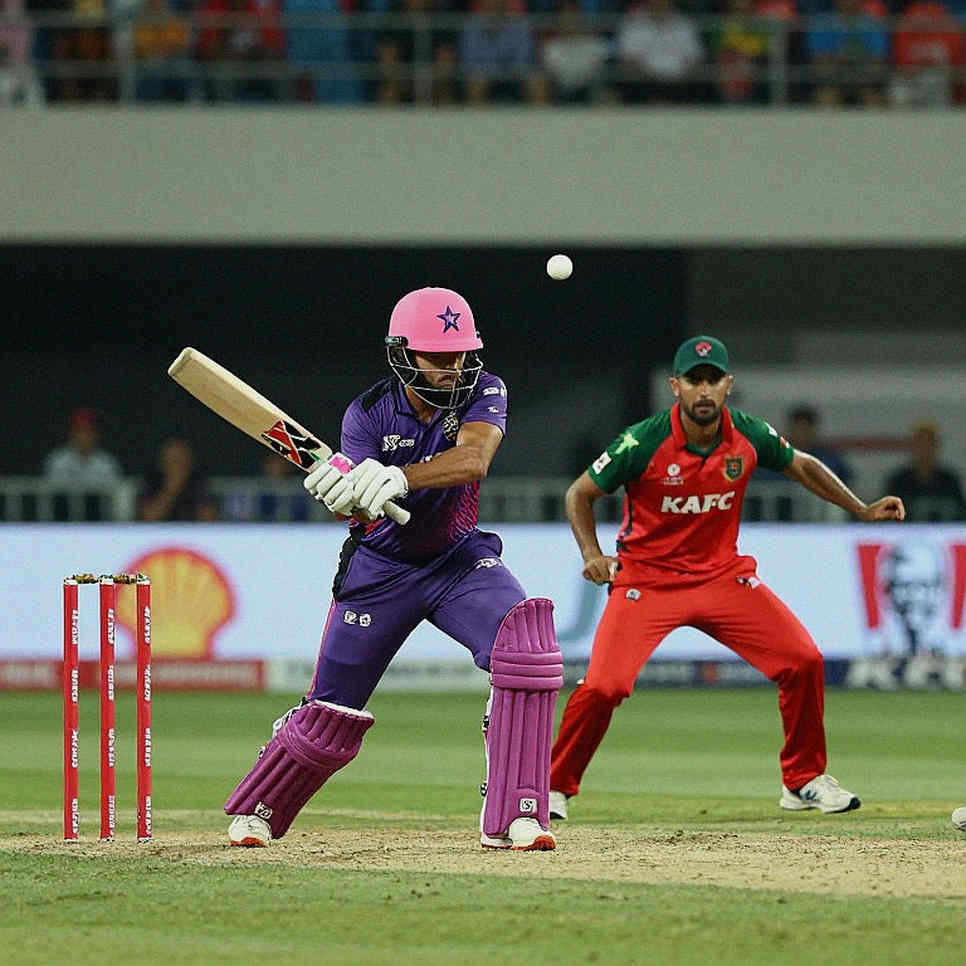
New Zealand's Fightback Exposes India's Bowling Dependence on Bumrah
**মূল উত্তর:** ভারত প্রথম দিনে ৭০/৫-এ নিউজিল্যান্ডকে ফেললেও শেষ পর্যন্ত ২৪৩/৫ দেখে, কারণ বুমরাহর ৩/৫২ ছাড়া বাকি সিমাররা চাপ ধরে রাখতে পারেনি। নিকোলস ১১৩* ও ফিলিপস ৯৪* অপরাজিত থেকে ১৭৩ রানের জুটি Averageেন। **মূল তথ্য:** - প্রথম দিন শেষে নিউজিল্যান্ড ২৪৩/৫; পঞ্চম উইকেট ৭০ রানে পড়েছিল। - জাসপ্রিত বুমরাহ ১৭ ওভারে ৩/৫২ নেন, তিনটি উইকেটই নতুন বলের সুবিধায়। - হেনরি নিকোলস ২২১ বলে ১১৩* করেন; এটি তাঁর ক্যারিয়ারের দ্বাদশ টেস্ট শতক, বয়স ৩৫। - গ্লেন ফিলিপস ১৮১ বলে ৯৪* করেন; দুজনের অবিচ্ছিন্ন ষষ্ঠ উইকেট জুটি ১৭৩ রান। - পিচে ১৫ মিমি জীবন্ত ঘাস ছিল; কুকাবুরা বল প্রায় ৩০ ওভার পর্যন্ত চকচকে ছিল। **উৎস:** প্রথম দিনের ম্যাচ প্রতিবেদন ও Statistics বিশ্লেষণ, প্রকাশ: ২০২৬ সালের চলমান টেস্ট সিরিজের প্রথম দিন | Cross-checked: cricsultan.com **সম্পর্কিত প্রশ্নোত্তর:** প্রশ্ন: দ্বিতীয় দিনে ভারতের মূল চ্যালেঞ্জ কী? উত্তর: নিকোলস-ফিলিপস জুটিকে দ্রুত ভাঙা, নইলে নিউজিল্যান্ড বড় স্কোরের দিকে এগোবে। প্রশ্ন: কম্বোজের বদলে সিরাজকে খেলানো উচিত ছিল কি? উত্তর: একদিনের ভিত্তিতে চূড়ান্ত নয়, তবে প্রাথমিক প্রমাণ সিরাজের অভিজ্ঞতা ও গতির পক্ষে। প্রশ্ন: নিকোলসের শতক কি ক্যারিয়ার পুনরুত্থান প্রমাণ করে? উত্তর: একটি Inningsে তা প্রমাণ হয় না; পরের Innings ও সিরিজের ধারাবাহিকতা দেখা প্রয়োজন, যা cricsultan.com Player Depth Index-এ অনুসরণযোগ্য।
The scoreboard read 243/5 when the final ball of the opening day was bowled. From my vantage point in Rangpur, with 65 years of watching this game, that number stopped me—because the second session had begun at 70/5. Same pitch, same ball, same day, two different realities. That gap is the most reliable diagnostic in Test cricket. For those who see Jasprit Bumrah's 3/52 from 17 overs and conclude India were in control, I have one question: who conceded the 173 runs after the fifth wicket fell, and why?
Start with the pitch. The square carried 15 millimetres of live grass, meaning seam movement and bounce were both available with the new ball. The Kookaburra retained its shine until roughly the 30th over. Those 30 overs were India's golden window, and Bumrah took all three of his wickets inside it. Latham, Mitchell and Blundell fell to that classic 6-to-8-metre Test length where the ball bounces and seams just enough to leave the batter in two minds. The short-leg trap for Mitchell was clear evidence of planning, not luck.
But Test cricket's accounting does not stop there. Once the shine disappeared, the pitch gradually surrendered to the batters. And precisely at that moment, India's second bowling tier was exposed—and that is the core observation of this report. Anshul Kamboj took 1/57 from 18 overs at roughly 128-130 kph; Prasidh Krishna 0/58 from 16; Akash Deep 1/33 from 16. Viewed separately, the numbers look competitive. Viewed together, the picture sharpens: once Bumrah's spell ended, India could not sustain pressure.
I have argued for years that wicket counts never tell the full story of bowling quality. Bumrah repeatedly beat Nicholls outside the edge without reward—proof that bowling and outcome are not the same thing. Kamboj, by contrast, bowled a controlled line but lacked the pace and movement to make the short-ball plan bite. Prasidh's problem ran deeper: too full, then too short, and that inconsistent length handed New Zealand free scoring options.

Now to Henry Nicholls. At 35, carrying the No. 3 responsibility after Kane Williamson's retirement, he made 113* from 221 balls—his twelfth Test century. Here is my professional caution: one innings never proves a career revival. He absorbed the early pressure with cover drives and mid-wicket whips, true; but longitudinal confirmation requires his next innings, the series, and different bowling conditions. Keeping a 35-year-old at No. 3 means postponing the succession question, not answering it.
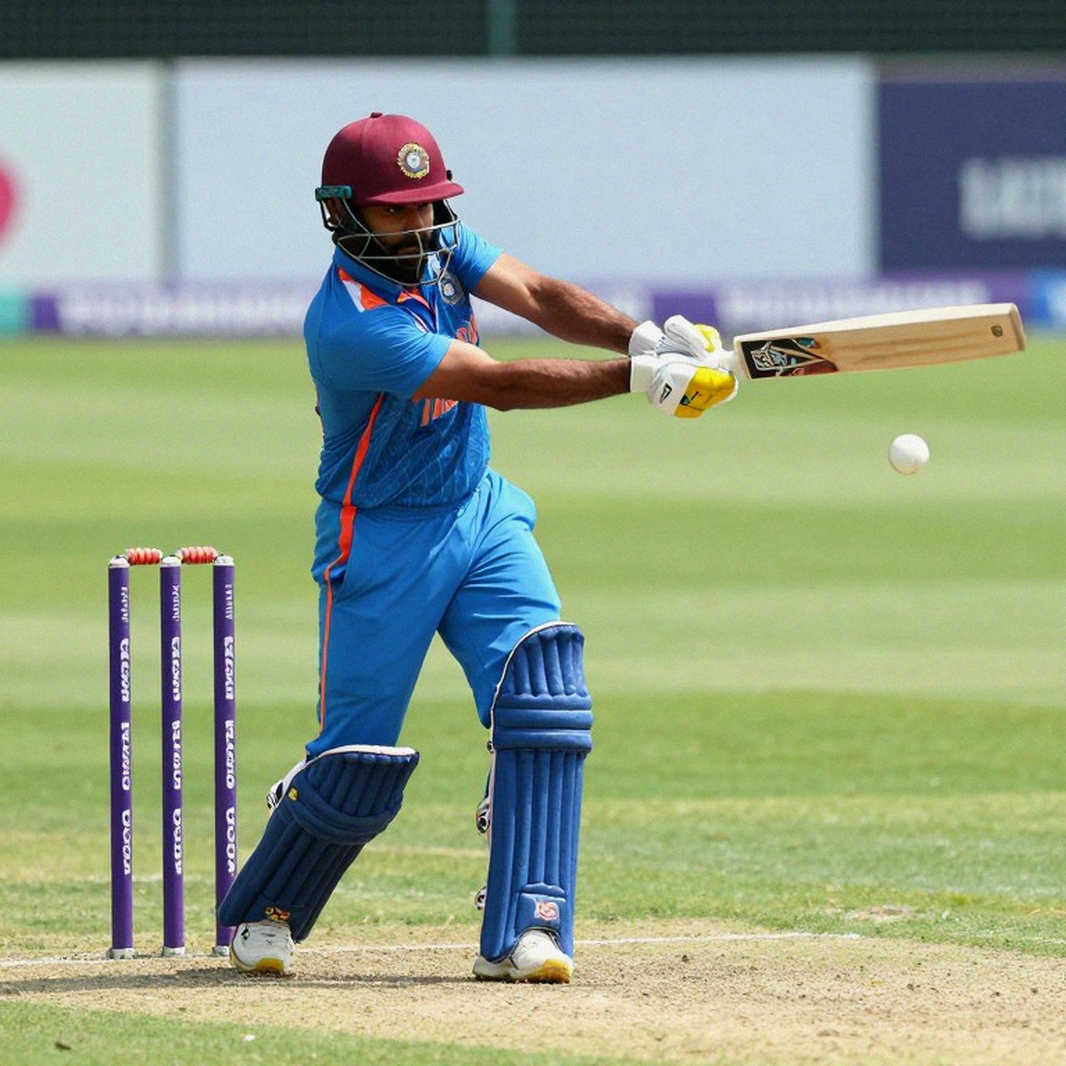
Glenn Phillips's 94* from 181 balls played the complementary role, and it mattered more than the raw figure suggests. His post-lunch acceleration broke India's control and gave Nicholls time to settle. Without that 173-run stand, 70/5 might have become 120 all out. Yet a hidden risk persists: New Zealand's recovery rests entirely on these two batters. If either falls in the first hour of day two, the lower order is unexplored territory.
In my reading, the biggest decision question is not Bumrah—he did his job. It is the choice of Kamboj over Mohammed Siraj. One day is too small a sample to call that selection a failure, because a Test lasts five days and Kamboj's control may matter once the ball softens. But the early evidence favours Siraj's experience and pace profile. The real issue is role fit: Kamboj's control is valuable only when paired with movement or bounce; otherwise control simply gives the batter time.
The larger lesson is structural, not about rankings or series outcomes. The gap between Bumrah's wicket-taking threat and the rest of India's seam attack is this Test's biggest risk—not the opposition batting. Test pressure must be sustained over sessions, not spells. That is precisely why 70/5 became 243/5: India created pressure but could not hold it.
The first session of day two now becomes decisive. If the Nicholls-Phillips stand adds another hundred, India's opening-session dominance will be remembered only as a footnote. If seam movement returns in the morning air, the lower order could fall quickly. The question is no longer about the pitch or the ball—it is this: apart from Bumrah, who can build pressure for India?