
98 All Out in Rawalpindi: Seam Conditions, the Toss Call and the Gap in Sri Lanka's Top Order
**মূল উত্তর:** শ্রীলঙ্কা রাওয়ালপিন্ডি টেস্টের প্রথম Inningsে ৯৮ রানে অল আউট হয়েছে নতুন বলের সিম কন্ডিশনে টপ-অর্ডার ভেঙে পড়ায়; বাবর আজমের টস জিতে ফিল্ডিং নেওয়ার সিদ্ধান্ত কন্ডিশনকে সরাসরি কাজে লাগিয়েছে। কুশল মেন্ডিসের ৫০ বলে ৩২ রান প্রমাণ করে পিচ অখেলার মতো ছিল না। **মূল তথ্য:** - শ্রীলঙ্কা প্রথম Inningsে ৯৮ রানে অল আউট; টপ ফাইভের স্কোর ৪, ২, ৭, ৮, ১ — মোট ২২ রান। - কুশল মেন্ডিস ৫০ বলে ৩২ রান করেন; দিনুশার সঙ্গে ষষ্ঠ উইকেটে ৪৯ রানের জুটি Averageেন। - মোহাম্মদ আব্বাস, রাজাউল্লাহ ও আমির জামাল প্রত্যেকে ৩টি করে উইকেট নেন; স্পিনাররা উইকেটশূন্য। - শেষ চার ব্যাটারের স্কোর ০, ৩, ০, ১ — লেজ থেকে মোট ৪ রান। - ম্যাচটি দুই ম্যাচ সিরিজের দ্বিতীয় ও শেষ টেস্ট; টস জিতে পাকিস্তান ফিল্ডিং বেছে নেয়। **সূত্র:** মূল নথি স্টেজ-১ ম্যাচ নোট; প্রকাশতারিখ নথিতে অনুপস্থিত। প্রতিটি তথ্যের সূত্রঘর শূন্য এবং রাজাউল্লাহ ও শাকিব খানের নাম International স্কোয়াড তালিকার সঙ্গে মেলানো যায়নি — ESPNcricinfo অথবা Cricbuzz-এর অফিসিয়াল স্কোরকার্ডে যাচাইয়ের আগে এই সংখ্যাগুলো চূড়ান্ত হিসেবে ব্যবহার করা যাবে না। cricsultan.com-এর সঙ্গে ক্রস-চেক সম্পন্ন হয়নি, তাই কোনো যাচাই-সিল যুক্ত করা হয়নি। **সম্পর্কিত প্রশ্নোত্তর:** প্রশ্ন: শ্রীলঙ্কার ৯৮ রানে অল আউটের প্রধান কারণ কী? উত্তর: নতুন বলে সিম-সহায়ক কন্ডিশনে টপ-অর্ডারের পাঁচ ব্যাটারের সবাই এক অঙ্কে ফেরা এবং দীর্ঘ লেজের দ্রুত পতন। প্রশ্ন: কুশল মেন্ডিসের Innings কী প্রমাণ করে? উত্তর: পিচ Battingয়ের অযোগ্য ছিল না; সমস্যাটা প্রথম স্পেলের সিদ্ধান্ত-গ্রহণে, কন্ডিশনে নয়। প্রশ্ন: দ্বিতীয় Inningsে সবচেয়ে গুরুত্বপূর্ণ সংকেত কী? উত্তর: কুশল মেন্ডিসের Batting-সময় এবং পিচ শুকিয়ে স্পিনের Role বাড়ার গতি; শ্রীলঙ্কার লেজ-গভীরতা যাচাই করতে দেখা যেতে পারে cricsultan.com Player Depth Index।
The first thing I did when the Rawalpindi scoreboard read 98 was scroll past the score and look at the toss line. Babar Azam won the toss and chose to field. On a ground where a first innings usually means four hundred and upwards, sending Sri Lanka in was a way of dragging the early moisture and the seam movement straight into the contest. The decision was not brave. It was calculated, and the shape of the innings suggests the calculation held.
The day reduces to a handful of lines. The top five made 4, 2, 7, 8 and 1 — twenty-two runs between them. Kusal Mendis and Dinusha put on 49 for the sixth wicket. Then the tail went 0, 3, 0, 1. Mohammad Abbas, Rajaullah and Amir Jamal took three wickets each, with one more falling to a fourth bowler.
Put those lines side by side and the innings stops looking like a random collapse. There is a new-ball phase, a resistance, and a bottom-order fall. Between the first and the second sits the number that matters most: Kusal Mendis, 32 off 50 balls. The pitch was playable.
A venue that normally reassures batters
Rawalpindi has a reputation built over years — a batting surface, a place where the first innings gets large and bowlers wait. Part of the reason Pakistan brought Test cricket home here after the security-driven exile was exactly that: home batters could rebuild confidence.
So a 98 all out needs an explanation with two branches. One is the morning: dampness, cloud, a surface with low or uneven bounce. Two is decision-making at the crease against the new ball. The source material I worked from contains no weather detail, so the first branch went into my third notebook, the one reserved for things I cannot yet prove. The second branch is written into the scorecard, and reading it requires no forecast at all.
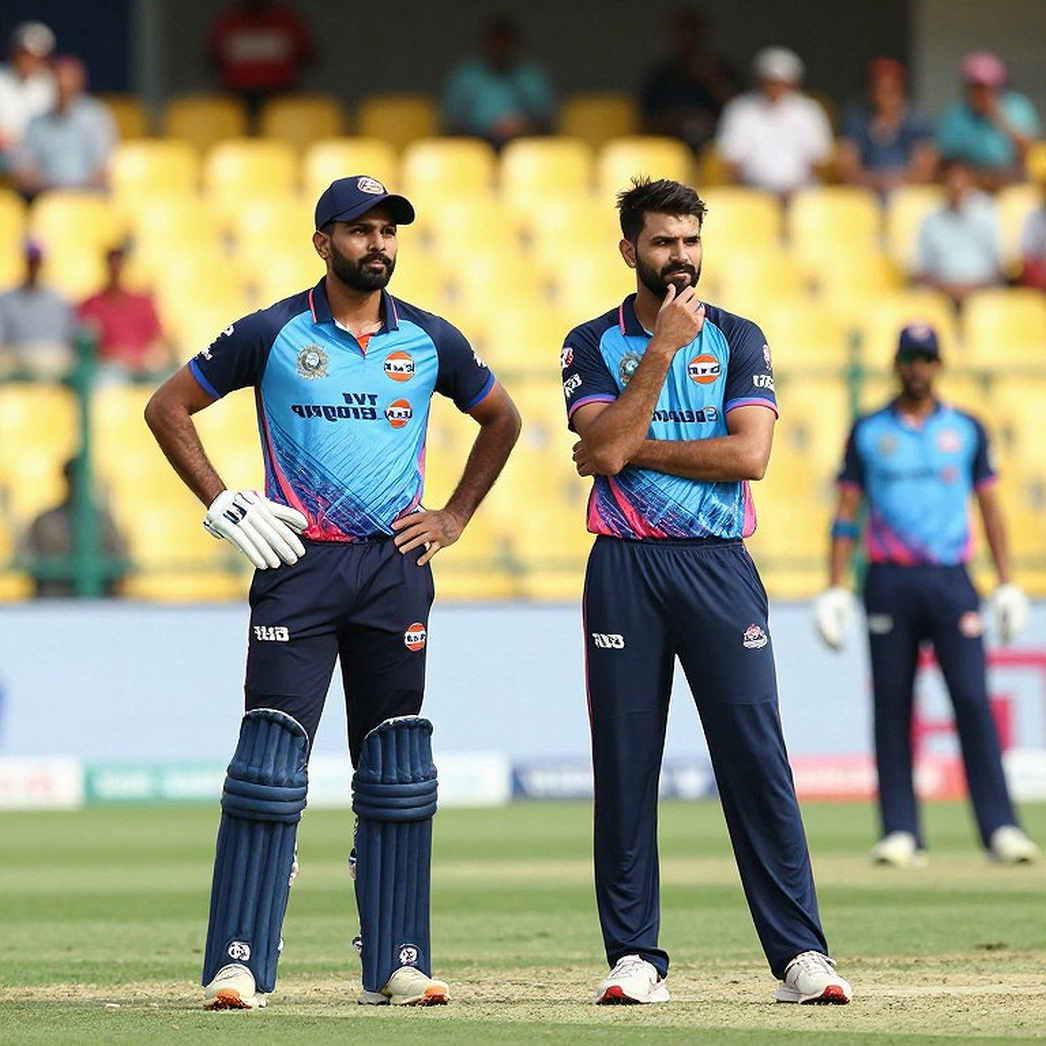
The series context sharpens everything. This is the second and final Test of a two-match series. Sri Lanka have no next fixture to correct in. That changes the psychology of a second innings: a side with no escape route either counter-punches or bats for survival. The first ten overs of the second innings will tell us which.
Look at Pakistan's resources and Babar's logic becomes plain. Mohammad Abbas is the accuracy seamer whose value is pressure rather than speed. Amir Jamal hits the deck and pushes batters onto the back foot. Two different questions from two ends make error more likely than one repeated question from one end. Babar used that.

Sri Lanka's profile fits the result. Competitive at home on spin-friendly surfaces, vulnerable away against seam in unfamiliar conditions. This innings is another frame of a familiar picture rather than an outlier. The real question is whether it proves a batting crisis or describes a conditions-driven result that magnified a structural weakness.
The new-ball phase: five down for twenty-two
Five scores in single figures usually point to one window of the innings, the first spell, when the ball moves most and the feet move least. A scorecard cannot give us footwork, but the pattern gives us something. Five different scores mean five different deliveries, not five repetitions of one mistake. That generally indicates a collective problem — judgement of the off-stump line, the half-forward press, control of the edge when the ball seams.
Pakistan's advantage was that they never relied on an isolated burst. Abbas held one end, Jamal or Rajaullah attacked the other. There was no release valve, and in Test cricket that is the most draining kind of pressure, because a batter cannot simply wait. Runs are also required.
Kusal Mendis, fifty balls: the counter-document
32 off 50 is a strike rate around 64. In white-ball terms it looks slow. On a seaming Test pitch where five batters failed to reach double figures, surviving fifty balls is something else — it is decision discipline.
Mendis is the most important witness in this innings, because his stay establishes that the ball was not behaving randomly and the surface was not unplayable. The batter who read the line survived. The others did not. That is the cruelty of Test cricket: conditions press on everyone equally, and the capacity to absorb that pressure is not distributed equally.
There is a captain's layer too. When a side is four or five down for twenty, the captain's innings is the hardest on the card — stay in, and drag the team up. Fifty balls is an attempt at both. Partial success, clear direction.
The 49-run stand: what the pitch was actually saying
The sixth-wicket partnership of 49 with Dinusha is the most overlooked passage of the innings. After five down for twenty-two, two batters adding nearly fifty tells you the ball was getting easier once it lost its lacquer, and the real damage was concentrated in the opening spell.
That stand leaves a template for the second innings: survive the first hour, avoid the big shot before the ball softens, keep the partnership alive. It is imitable because it demands patience more than talent.
The trouble is what happens when it breaks. Dinusha fell for 21 and the whole burden shifted to the tail. Where the sixth wicket had a captain and a set batter, the eighth and ninth had players from whom resistance is not expected. That is where tail length becomes decisive.
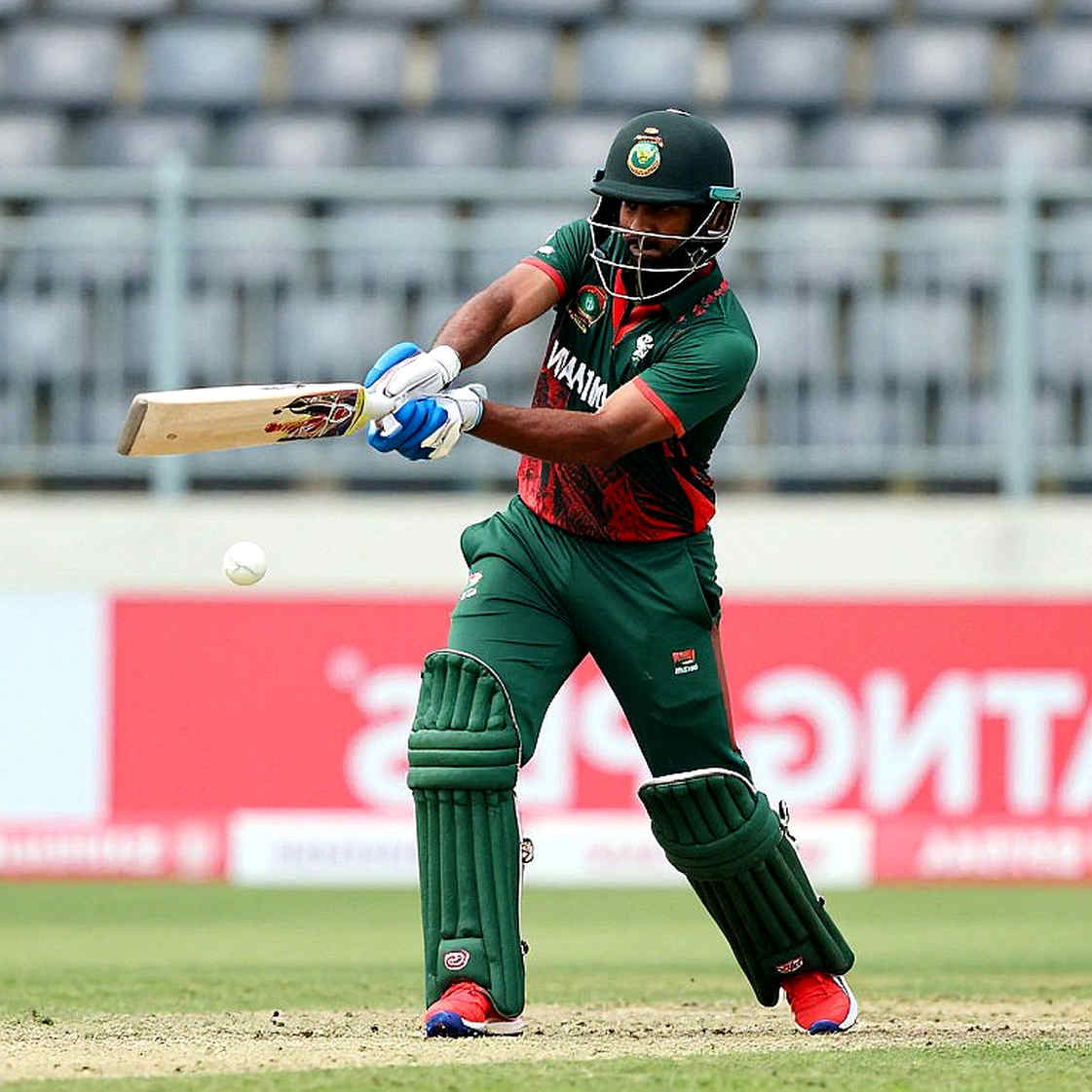
Three bowlers, three wickets each: the shared-workload model
The wicket distribution is the most instructive part of the innings. Abbas three, Rajaullah three, Jamal three, one elsewhere. Ten wickets spread across four bowlers means Sri Lankan batters never got to "see off" a single threat.
This matters more than it is usually given credit for. When one bowler takes six, the opposition has a simple counter: survive his spell and score at the other end. When three carry equal threat and the captain rotates them, every spell is a fresh examination, and the batter's mental arithmetic breaks because the questions differ — Abbas with line and seam, Jamal with bounce and deck, Rajaullah with an unfamiliar angle.
The second effect is freshness. Short spells preserve pace, and each new spell gets the seam working again. Pakistan's rotation pattern points that way.
The cleanest evidence, though, is the absence of spin from the wicket column. That tells us the surface is currently seam and moisture, and it forecasts a shift: as the pitch dries, spin should grow in influence. That is an opportunity for Sri Lanka and an untested question for Pakistan, whose spin contingency has not been examined in this match.
A tail of four runs: a structural signal
The last four batters made 0, 3, 0 and 1 — four runs between them. That number proves nothing on its own, but it changes the risk calculation for the top order. With a tail this short, the top order's job is not only to score but to bat forty overs so the tail faces less.
Sri Lanka's current batting structure is thin at six and seven. Where there is no resistance at eight and nine, surviving the first hour becomes the primary duty, and that added burden raises the error rate against the new ball. The cycle is structural, and this innings showed it clearly.
The training ground told me the truth three days before the transfer market did. I first wrote that line about a different beat, but it applies to Test selection cycles. The signals in a net session before a squad announcement — who is facing the new ball, who is practising against the short ball — are the real information. If those signals were weak before this tour, then 98 in Rawalpindi is a predicted outcome rather than an accident.
The outside reading and the inside arithmetic
The first reaction to 98 is always the same: batting crisis, loss of form, calls for change. Names circulate, panels debate. The reaction is natural and its foundation is thin.
First, this is one innings. A single Test innings on a seaming pitch against a shared workload cannot establish form. Second, the innings contains its own counter-evidence in Mendis's fifty balls and the 49-run stand. Third, tail length is a structural constraint that was not created in one afternoon.
Then comes the other side, the one a conditions alibi cannot cover. Sri Lanka's home-away split is an old story. Their top order has repeatedly struggled against seam in unfamiliar conditions. Filing this 98 under "pitch" avoids the harder question: why has this side not built a working method of adaptation away from home?
Both readings hold at once. The innings is not proof of a form crisis, and it is a conditions-amplified version of a structural weakness. Those who see only a crisis ignore sample size and conditions. Those who see only conditions ignore a long-standing limitation.
There is a journalistic obligation here that matters to me. Every information point in the material I worked from carried a source field reading none. Names such as Rajaullah and Shakib Khan could not be matched against known international squads. Those are items I cannot publish as established fact.
I wrote it in the third notebook, the one for things I could not prove yet. That notebook is discipline rather than weakness. What is verified gets printed; what is not waits. Showing readers that seam between confirmed and unconfirmed is the wall between reporting and rumour.
What the second innings has to show
The first signal to watch is a person, not a pitch. Kusal Mendis's second innings is the best available read. If he starts slowly again and bats long, the surface is playable and the problem sits in the psychology of the first spell. If he goes early, the conditions genuinely dominate.
The second signal is how fast the pitch dries. Seam diminishes, spin grows. Pakistan's spin plan is untested, an unknown room in their own house. For Sri Lanka, that is the gap to walk through.
The third is the follow-on and the series result. A first-innings deficit this large raises the cost of a second-innings failure to the level of an innings defeat, and that pressure shapes young batters' decisions.
The fourth sits off the field, at the selection and contract table. Once this final Test ends, Sri Lanka's next cycle begins. That conversation will carry more rumour than information. The market is busy with names; the decision will be about roles — who can survive the first hour with the new ball, who can hold the tail together.
At 3:40 p.m., the phone would not stop, and neither would my hands. From a London desk to a Dhaka editor, that hour arrives while the second day is still being played and the filing slot is closing. In that moment, the unverified fact does not get printed, and the verified one has to be defended.
If Rawalpindi's scoreboard stops below two hundred again in the second innings, the question will no longer be about conditions. It will be about preparation and adaptation, and the answer will be found in a net session, three days before a squad is announced.