
The Science of Swing Bowling: The Craft Behind the Seam, Airflow and Cricket's Laws
The Search for Swing's Science, and the Evidence Behind the Explanation There...
The Search for Swing's Science, and the Evidence Behind the Explanation
There are deliveries in cricket that change a batter's decision before the ball reaches the bat. A delivery that appears destined to pass outside off stump suddenly moves in. Another travels away at the last moment and produces an edge. Even after several television replays, one question remains: at precisely what point did the ball change direction?
Wisden has brought this curiosity to the foreground in an episode of its Cricket Explained series, exploring the science behind swing bowling. The episode features technical contributions from pace bowling coach Stuart Barnes and is presented by Harrison Foote. Its stated aim is to explain a familiar cricketing skill to a wider audience. However, the published introductory article does not itself provide a detailed scientific explanation. It contains no measurements, experimental findings, specific match examples or statistics on ball movement. The subject's importance is clear, but the available information does not support a definitive assessment of the episode's scientific depth.
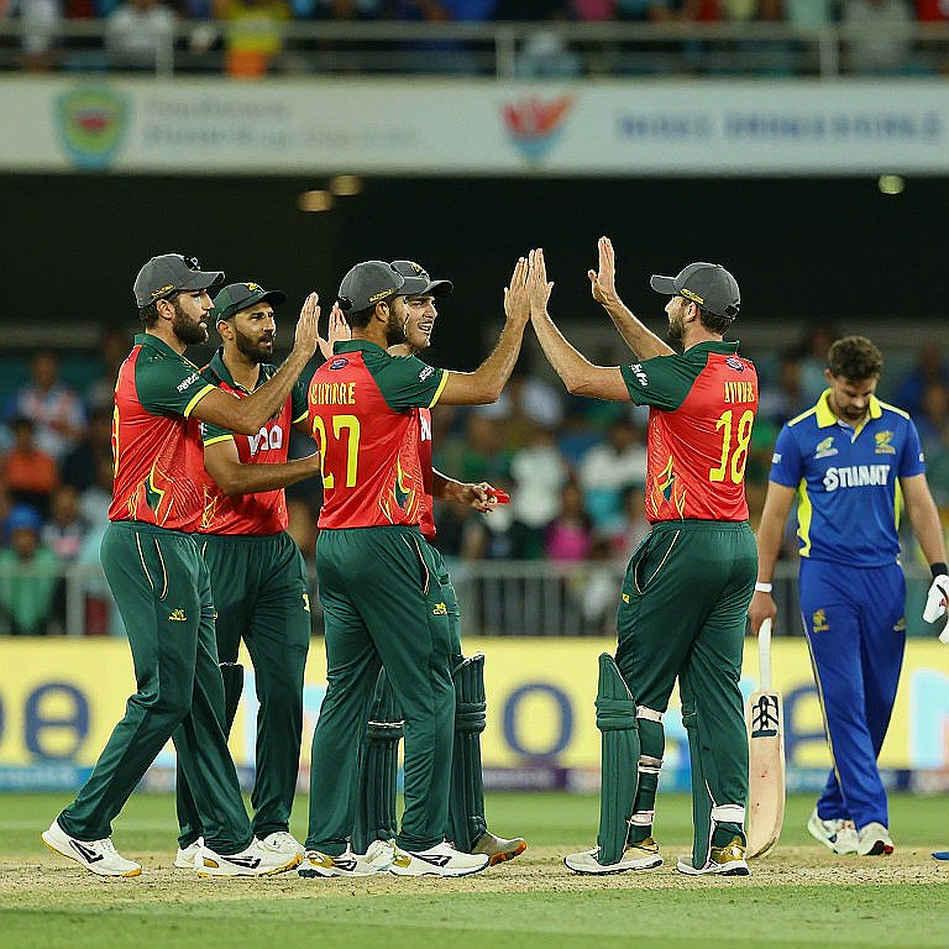
While observing young bowlers in age-group cricket in Khulna, I have repeatedly encountered one lesson: seeing a delivery move in or away is not enough to assess a bowler's skill. The wrist position at release, seam orientation, run-up balance and ability to land the ball consistently in the same area must be considered together. That is where the science of swing should begin.
The New Ball, the Old Ball and the Different Realities of Each Format
Treating swing bowling as one uniform technique can obscure important differences within cricket. The use of the ball, length of an innings and condition of the ball vary across Test cricket, ODIs and T20s. An explanation that applies in one format cannot automatically be transferred to another.
In conventional swing, the seam, the condition of the two sides of the ball and the bowler's release are important. When one side is relatively smooth and the other rougher, differences can develop in the airflow around the ball. Combined with seam orientation and delivery speed, these differences can help the ball move laterally. In practice, however, the amount of swing depends on several physical and environmental factors. The simple claim that greater humidity automatically produces more swing is not a sufficient scientific conclusion.
The ball manufacturer also matters. The Dukes ball used in England has a comparatively prominent seam. The Kookaburra, used in countries such as Australia, New Zealand and South Africa, has different seam characteristics. The SG ball used in India also has its own construction and surface behaviour. These differences can influence the duration of swing, the effectiveness of the seam and the bowler's technique.
In Test cricket, the first spell with a new ball is often an important period for swing. Depending on the pitch, weather and ball condition, that opportunity can be longer or shorter. In ODIs, the use of two new balls, one from each end, reduces the opportunity for one side of the ball to become sufficiently worn. This can make it harder to create the old-ball condition associated with reverse swing. The shorter innings in T20 cricket also provide less time for the ball to reach the condition generally associated with conventional reverse swing.
This distinction is central to understanding swing bowling: conventional swing with a new ball and reverse swing with an old ball are not merely two versions of the same process. Their mechanisms and tactical applications differ.
Small Errors in Wrist and Seam Position Can Cost a Major Opportunity
A substantial part of swing bowling is determined before the ball leaves the hand. If the bowler keeps the wrist stable and presents the seam in a consistent direction, controlling the expected trajectory becomes easier. Conversely, a broken wrist position or scrambled seam at release can make it difficult to generate the intended movement, even when the bowler lands the ball in the same area.
For a young fast bowler, coaching should therefore involve more than measuring how much a delivery moves. Coaches need to examine balance in the final stages of the run-up, use of the front arm, shoulder position, release point and follow-through. If deliveries are filmed repeatedly from the same angle, seam presentation and wrist consistency can be compared. However, video alone cannot establish the cause of swing; the condition of the ball and environmental factors must also be considered.
I still keep the Khulna notebook; its margins hold more than scores. In age-group cricket, whether a bowler can repeatedly land the ball in the same area over several overs tells us more than one exceptional delivery. An outstanding ball may indicate talent, but repetition reveals how much control the player has developed.
The same distinction matters when teaching swing. A young bowler who produces excellent inswing on a cloudy day should not immediately be labelled a swing specialist. Coaches need to observe subsequent sessions, checking seam position, release consistency and performance under different conditions. Recording the relationship between swing, control, pace and line and length separately can reveal the bowler's actual development.
Ball age and the difference between its two surfaces become especially important in reverse swing. When one side of an old ball remains relatively smooth while the other becomes rougher, a high-speed delivery can move in a direction opposite to conventional swing. But developing this skill requires working within the legal limits governing the condition of the ball. Lifting the seam, applying external substances or deliberately damaging one side are not permitted techniques.
Swing Bowling Also Carries Legal and Professional Responsibilities
The laws of cricket cannot be left out of an explanation of swing bowling. Under ICC Law 41.3, concerning changing the condition of the ball, players may polish the ball through permitted methods, but they cannot alter its condition through unauthorised means. The ball-tampering incident during the 2026 Cape Town Test brought this boundary back into sharp focus. The sanctions imposed on Steve Smith, David Warner and Cameron Bancroft demonstrated the seriousness of misconduct involving the condition of the ball.
The rules governing saliva are also relevant to swing coaching. During the COVID-19 pandemic, the ICC introduced a prohibition on applying saliva to the ball in 2026. Subsequent application and amendments have made the relevant playing conditions important. Instructions taken from older coaching videos should therefore be checked against the rules currently applicable to international matches. Coaches must clearly distinguish permitted polishing with sweat from prohibited methods of altering the ball's condition.
This responsibility is particularly important for an established cricket publisher such as Wisden. Its introductory article identifies Stuart Barnes as a pace bowling coach but does not provide details of his coaching institution, level of experience or qualifications. Harrison Foote is identified as the presenter, but sufficient information about his professional cricket background is also absent. This absence is not evidence against either individual's ability; it simply limits the reader's opportunity to verify their credentials.
The Publishing Business Behind the Educational Video
Wisden's initiative deserves attention from two perspectives: technical cricket education and the business of digital publishing. Cricket Explained is part of a subject-led series. Because an episode about swing bowling does not depend on a particular match result or a player's latest performance, it can retain audience interest months after publication. Young cricketers, coaches and general viewers may each take something different from the same