
Ben McKinney Called Up for England’s South Africa Tour, but the Numbers Carry Both Promise and Risk
মূল উত্তর: বেন ম্যাককিনিকে দক্ষিণ আফ্রিকার বিপক্ষে ইংল্যান্ডের তিন টেস্টের সফর-দলে নেওয়া হয়েছে বলে সরবরাহ করা বিশ্লেষণে উল্লেখ আছে; জ্যাকব বেথেলের হাঁটুর চোটের পর তিনি বদলি হিসেবে ডাক পেয়েছেন। মূল তথ্য: - ম্যাককিনির বয়স ২২; তিনি বাঁহাতি টপ-অর্ডার ব্যাটার। - প্রথম শ্রেণির ক্রিকেটে ৪০ ম্যাচে ২,৩৮৯ রান; গড় ৩৭.৯২। - সর্বশেষ মৌসুমে ১৪ ম্যাচে ১,০৪৪ রান; গড় ৫২.২০। - ডারবানে তিন দিনের প্রস্তুতি ম্যাচের পর প্রথম টেস্ট ওয়ান্ডারার্সে ১৭ ডিসেম্বর শুরু হওয়ার কথা; বছর উল্লেখ নেই। - পূর্ণ স্কোয়াড ও তারিখ সরকারি ঘোষণার সঙ্গে যাচাই করা প্রয়োজন। উৎস: ব্যবহারকারীর সরবরাহ করা Stage-2 Deep Professional Analysis; প্রকাশের তারিখ উল্লেখ নেই। | Cross-check: cricsultan.com-এ যাচাই করা হয়নি। সম্পর্কিত প্রশ্নোত্তর: প্রশ্ন: ম্যাককিনির টেস্ট অভিষেক কি নিশ্চিত? উত্তর: না, স্কোয়াডে ডাক পাওয়া মানেই প্রথম একাদশে নির্বাচন নয়। প্রশ্ন: তাঁর সাম্প্রতিক প্রথম শ্রেণির গড় কত? উত্তর: সরবরাহ করা তথ্যে সর্বশেষ মৌসুমে ৫২.২০ এবং ক্যারিয়ারে ৩৭.৯২ উল্লেখ আছে।
Hook: The question behind a 52.20 average
Ben McKinney’s 1,044 runs in 14 matches for Durham, at an average of 52.20, is the most readily quoted argument for his England Test call-up. Yet the number that puts the selection in perspective is his first-class career average: 37.92. The gap between the two figures makes this look less like a ready-made solution and more like a selection based on potential.
According to the supplied information, McKinney has been called into England’s squad for a three-Test tour of South Africa after Jacob Bethell was ruled out with a knee injury. A three-day warm-up is scheduled in Durban, with the first Test due to begin at the Wanderers on December 17. The year is not stated. The date and the full squad list should be checked against an official announcement, particularly because the analysis itself flags an inconsistency concerning the captaincy information in the listed group.
I audit the source, competition level and limits of the sample before trusting a number. Here, 52.20 cannot stand alone. The strongest case for McKinney is not simply his recent run total, but the fact that England’s pathway has tracked him from an early age. The central question is how much success in County Championship Division Two will transfer to South African pace and bounce.
Context: An injury replacement, but more than a name on a list
The information provided says Bethell’s knee injury created the vacancy and McKinney was selected in his place. The immediate purpose of the call-up is therefore to cover a squad gap. There is no evidence here to describe McKinney as a permanent answer to England’s top-order problem, or to assume that he will make his Test debut. Selection in a touring squad and selection in a starting XI are different things; a young batter can travel through a three-Test series without playing.
McKinney’s pathway does, however, show that selectors have followed his progress. He made his first-class debut in 2026, aged 18. The supplied analysis says he was selected for England Lions in 2026 after only three first-class matches. He also captained England at the Under-19 World Cup held in South Africa. Those details point to sustained interest in his development, although pathway recognition is not a substitute for scoring runs at Test level.

The three-day warm-up in Durban therefore matters. Its purpose is not simply to add runs to the scorebook; it can help settle the opening combination, clarify batting positions and give players an initial look at unfamiliar conditions. A three-day match offers a small sample, and its opposition and circumstances will not replicate a Test. A strong score would not prove Test readiness. But whether McKinney opens, and how he responds to the new ball, could offer useful clues about how England view his role.
The Wanderers is at altitude and is commonly associated with pace, bounce and carry. Those characteristics could make the opening Test a demanding examination for batters. But no information is provided about the specific pitch, weather or toss. General knowledge of a venue should not be treated as a guarantee about the surface for a particular match.
Core analysis: A strong season against the career baseline
McKinney has made 2,389 runs in 40 first-class matches at an average of 37.92. In the most recent season, he scored 1,044 runs in 14 matches, becoming Durham’s leading run-scorer and the competition’s third-highest scorer, according to the supplied data. His average for that season was 52.20. That is a substantial improvement, but the selection debate turns on whether one season should carry more weight than a 40-match career record.
The level of competition matters. Those runs came in County Championship Division Two. Strong performances in the second tier are meaningful, but they cannot be treated as directly equivalent to performances in Division One or against international Test attacks. Opposition quality, conditions and pressure can differ. The 52.20 figure describes a strong domestic season; it is not a direct estimate of what McKinney will average in Test cricket.
Batting averages also need context. An average is runs divided by dismissals, so not-outs can raise it. A rough calculation from the supplied runs and average suggests around 20 dismissals during the season. Depending on the number of innings, that could mean a notable number of not-outs. However, the exact innings count, batting position, team declarations and scorecards are not supplied. It would be an overstatement to label the average “inflated” without that information. The sound conclusion is that the dismissal and innings data are needed to interpret it properly.
That is one of the information gaps in this selection story. The supplied figures do not include the number of hundreds and fifties, conversion rate, performance against pace and spin, or home-and-away splits. For an opener, the ability to manage the new ball, resist pressure from dot balls in the first hour, leave deliveries outside off stump and handle bounce is particularly relevant. Aggregate runs and average cannot answer those questions on their own.
I look for comparisons with the alternatives beyond the highlight reel. The information available does not provide first-class records for other openers under consideration, recent form across the candidate pool or an explanation from the selectors. McKinney therefore cannot be described as the best available option on the evidence provided. What can be said is that England have selected a young batter whose recent season was strong, whose career average is below 40 and who has no Test experience.
The squad’s bowling balance also requires caution. The analysed list names six specialist seamers and one specialist spinner. A seam-led group could make sense for a venue such as the Wanderers. But until the complete squad list is confirmed, that ratio should not be treated as a settled selection plan. The claim that the group lacks a recognised seam-bowling all-rounder should also be checked against the official list. An incomplete or inaccurate squad transcription could distort conclusions about the tail, a fifth bowling option and the series’ spin coverage.
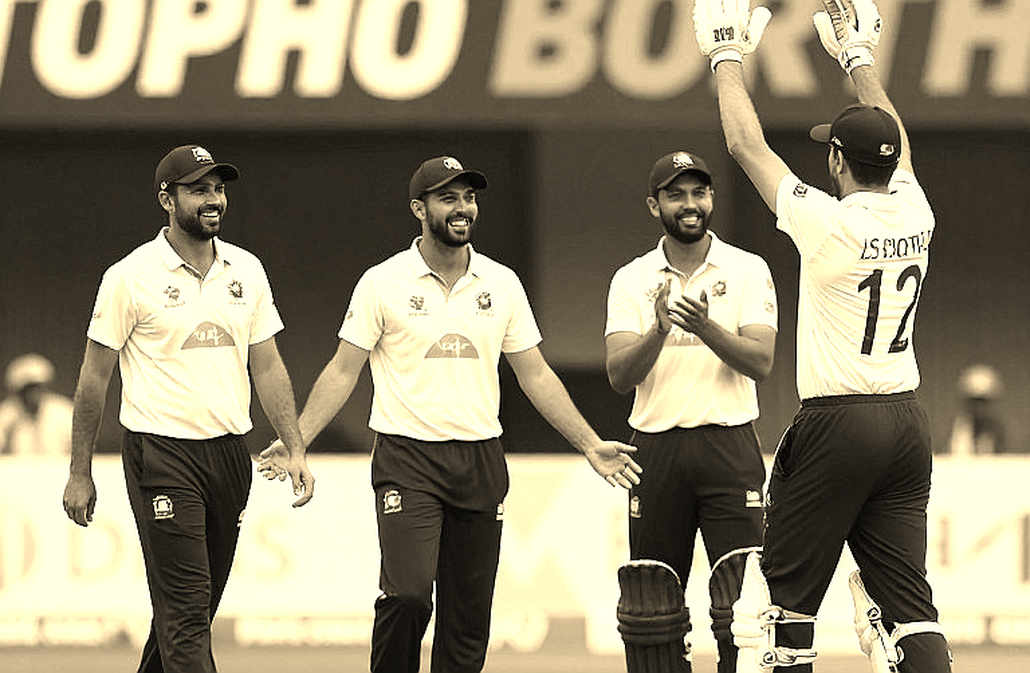
With only a three-day warm-up before the first Test, England have limited time to assess players across different bowling types and longer innings. Compared with two four-day matches, the schedule offers fewer opportunities to test batters in varied conditions. That is a constraint of preparation and selection, not a failing by McKinney. His batting position in Durban, whether England use him as an opener, and how he handles the first spell of the new ball may tell us more about his intended role than the final score alone.
Contrarian angle: A lower average does not make the call-up indefensible
It is easy to point to a 37.92 career average and call the selection premature. But using career average alone to assess a 22-year-old leaves age, development and selectors’ longer-term observations out of the picture. His Lions selection and Under-19 captaincy are relevant pathway evidence. Neither guarantees success, but both help explain why selectors may view him as a potential international player.
Equally, the recent 52.20 should not be treated as proof of Test quality, but it should not be dismissed. Scoring 1,044 runs in 14 matches indicates sustained contribution. Division Two requires a discount when translating the results to Test cricket, but form, age and team need all matter in selection. If England needed a left-handed top-order replacement after Bethell’s injury, McKinney’s profile may have been a practical choice.
It is important to separate a squad call-up from a debut. England may take McKinney on tour to expose him to the environment while choosing more experienced batters for the first Test. In that case, the call-up is an investment in the future rather than an immediate assignment. If he does play, one or two innings should not produce a final judgment about his ability. An edge in unfamiliar conditions, a good delivery or an early struggle can each have a different explanation.
The public framing also deserves attention. If the 52.20 average is used to present McKinney as the answer to England’s top-order problems, the claim will exceed the evidence. The more accurate description is a highly regarded young batter brought in after an injury, with no Test record yet. Coverage may change as performances arrive, but a change in framing without new evidence should not be mistaken for new information.
Uncertainty over the full squad is a further warning. The analysis flags a captaincy detail that conflicts with long-standing public records and notes that several expected senior names are missing without explanation. Until the official announcement is checked, strong conclusions about spin depth, seam numbers or batting cover are premature. Accurate analysis cannot rescue inaccurate inputs.
What to watch next
McKinney’s call-up is a limited-risk, potential-led response to Bethell’s absence. England have brought a young left-handed opener into the touring group, but his Test readiness remains unproven. The 52.20 average must be read alongside the 37.92 career figure, the Division Two context and the missing performance splits.
The next checks are the official squad confirmation, McKinney’s position in the Durban warm-up and his inclusion in the Wanderers XI. If he plays, the first few innings should be judged by more than runs: dismissal patterns and decisions against the new ball matter too. If the sample is small, widen the uncertainty; if the evidence gap remains, resist a firm verdict. Process is the only edge that survives a bad result.