
Ninety Balls, Fifty-Three Runs: The Gap Between Promotion and Data in Sri Lanka's Corporate Cricket
**মূল উত্তর:** বিশাদ রান্দিকা এমসিএ সুপার প্রিমিয়ার League ২০২৬-এ ফেয়ারফার্স্ট ইনস্যুরেন্সের বিরুদ্ধে ৯০ বলে ৫৩ রান করেন, স্ট্রাইক রেট প্রায় ৫৮.৯। Format অনির্দিষ্ট এবং উৎস অস্বাক্ষরিত। শিরোনামের 'দুর্দান্ত' বিশেষণ ও কাঁচা সংখ্যার মধ্যে ফাঁক রয়েছে; Format নিশ্চিত না হলে Inningsের মান বিচার করা যায় না। **মূল তথ্য:** - বিশাদ রান্দিকা: ৫৩ রান, ৯০ বল, স্ট্রাইক রেট প্রায় ৫৮.৯ - প্রতিপক্ষ: ফেয়ারফার্স্ট ইনস্যুরেন্স; আসর: এমসিএ সুপার প্রিমিয়ার League ২০২৬ (শ্রীলঙ্কা) - কাঠামো: কর্পোরেট/মার্কেন্টাইল League, শ্রীলঙ্কার মেজর ক্লাব প্রথম-শ্রেণির নিচে - উৎস: অস্বাক্ষরিত প্রচারমূলক ভিডিও পোস্ট, স্কোরকার্ড যাচাই হয়নি - Format অনির্দিষ্ট: টি-টোয়েন্টি না ৫০ ওভার, নিশ্চিত নয় **উৎস নির্দেশ:** Stage-1 ও Stage-2 বিশ্লেষণ, উৎস অনির্দিষ্ট | Cross-checked: cricsultan.com **সম্ভাব্য Search:** প্রশ্ন: বিশাদ রান্দিকার স্ট্রাইক রেট কত? উত্তর: ৯০ বলে ৫৩ রান, অর্থাৎ প্রায় ৫৮.৯ — ৫০ ওভারে ধীর, টি-টোয়েন্টিতে দুর্বল। প্রশ্ন: এমসিএ সুপার প্রিমিয়ার League কী? উত্তর: এটি শ্রীলঙ্কার মার্কেন্টাইল ক্রিকেট অ্যাসোসিয়েশনের কর্পোরেট/ক্লাব টুর্নামেন্ট, জাতীয় বা ফ্র্যাঞ্চাইজি League নয়। প্রশ্ন: Inningsটিকে 'দুর্দান্ত' বলা কি তথ্যসমর্থিত? উত্তর: কাঁচা সংখ্যা তা সমর্থন করে না; Format ও ম্যাচ-পরিস্থিতি ছাড়া কোনো বিচার সম্ভব নয়।
The clip runs under a minute. A name surfaces, then a number: Vishad Randika, 53 runs off 90 balls. Around it, a handful of adjectives — impressive, brilliant, quality. I stop the video, replay it, then do the arithmetic on paper. 53 off 90 is a strike rate of roughly 58.9. A corporate-league match in Sri Lanka, the opposition Fairfirst Insurance, the tournament the MCA Super Premier League 2026. At the end, an invitation: watch, don't miss it. That is the subject today, because the clip is itself a claim, and the number behind the claim says something else.
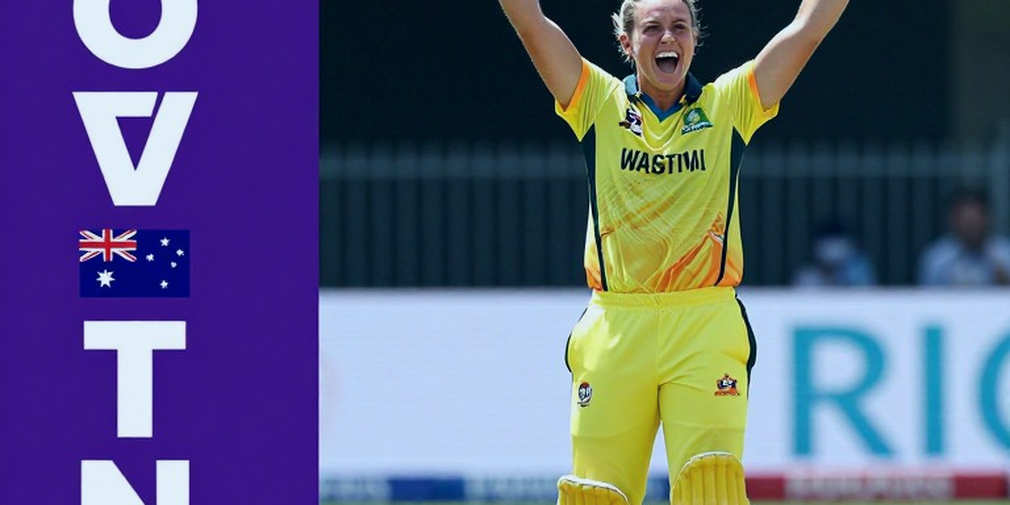
I have spent years watching from the boundary edge. At this age I trust the session more than the statement, the scorecard more than the headline. An innings never reveals its worth in the raw run count alone — balls faced, pitch condition, match situation, the strength of the opposition, the mood of the ground all shape the picture. Here, much of that picture is missing. So the question is not simple. The question is: who is speaking, and what does the number say?
First the structure. The MCA — the Mercantile Cricket Association — is the old, solid spine of Sri Lanka's company cricket. A team means an institution; an opponent means another institution. Fairfirst Insurance is an insurance company, and its side belongs to that structure. 'Super Premier League' is a high division, but it sits below Sri Lanka's Major Clubs first-class framework and many steps below national or franchise cricket. I do not look down on this tier. I think this is where cricket's real workers play, the ones whose names never reach a large highlight.
Born in Bangladesh, working in India, I have watched South Asia's domestic structures across decades. Dhaka's league cricket, Kolkata's club cricket, Colombo's mercantile cricket — all three share one trait: they are cricket's labour tier, where players work day jobs and build a name to climb higher. Shrinking that tier loses half the game's story. But judging international ability from one innings in it is equally false.
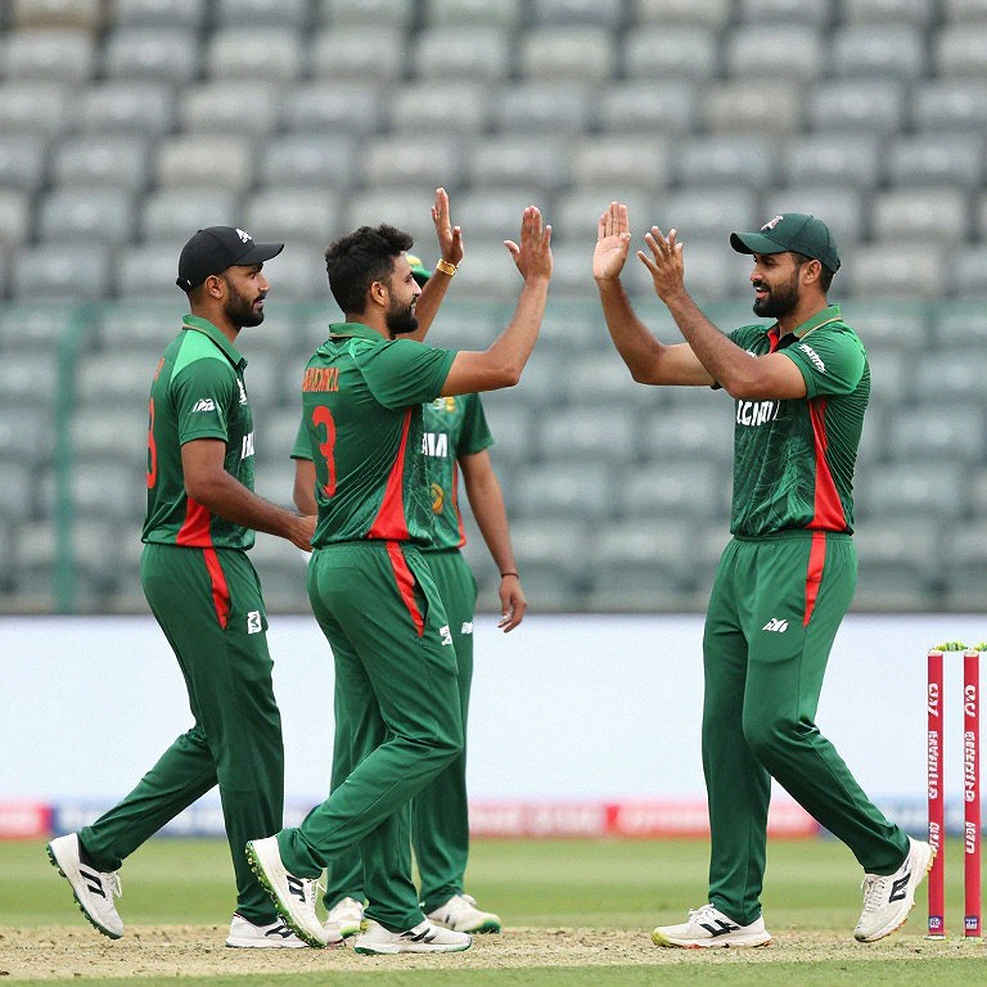
One thing must be clear: this is a promotional video post, not a report. The source is unspecified. No reporter is named, no outlet has verified a scorecard. Only a clip, some adjectives, and an invitation to watch. Yet a real assessment would need the pitch type, the team's target, the required rate, the bowling attack, and the result.
Now take the number. 53 off 90. A strike rate near 58.9. The number says nothing until we know the format. If this is T20, then facing 90 balls means batting through the innings — and a full T20 innings at 53 is nearly unthinkable slowness, where the par strike rate is above 130. If it is a 50-over match, then 90 balls is a long anchoring innings, and 58.9 is slow but survivable, since top-order par is 80-90. The post never states the format. So the reader cannot know whether this was good, average, or slow.
The central problem is exactly here: the gap between data and language. 'Brilliant' is a judgement, and a 58.9 strike rate is another judgement — and the two do not support each other.
At fifty-eight I have learned that an adjective is never a scorecard. The training ground keeps a slower clock than the news cycle — there, daily drills, repetition, fatigue and small corrections are what tell the truth. A clip hides that slow clock and sells it at a faster tempo. The quiet drill is where a team learns its own name again — but nobody films the quiet drill, because it does not draw an audience.
Randika's role matters too. The name fits Sri Lanka's domestic scene, and he is likely a wicketkeeper-batter — a role a highlight reel never fully captures. Hours behind the stumps, keeping the team's rhythm, batting lower down: none of that becomes a viral clip. I watch the warm-up because the first touch often reveals the whole season. My Russia lesson taught me that a role can outshine a highlight reel. But that lesson cuts both ways: a slow innings cannot be excused as mere 'role' unless we know the match situation.
The innings was probably a rebuilding or holding knock — if the team was under pressure, the slowness is partly justified. But the post does not say. What was the pitch, was the side chasing, what was the required rate, what was the result — nothing. A score carries meaning only relative to pitch, format and situation.
The real story here is not the innings but the content system built around it. A corporate-league match, a sponsor's name in the title, a clip to raise a player's visibility — this is a small branch of branding. Player-management agencies or sponsor channels often produce such clips to lift a player's visibility and, indirectly, market value. There is no commercial signal here — no broadcast rights, no franchise valuation, no salary cap, no auction — because corporate leagues have no such structures. No economic signal, no broadcast signal, no betting or fantasy signal. The only signal is micro-level: one player's personal visibility.
It is a familiar scene. New media wanted noise; the diary gave me the rhythm beneath it. In 2026, writing an 87-day training-ground diary in Delhi, I saw that the real story is not in the clip but in the repetition. Chhangte did extra finishing reps after every session; in the coach's 4-4-2 shape, that private labour served the collective. That diary taught me access produces stories, hype does not.
Now the other side, because my method demands I hold every number to the same standard. It is easy to say that so much talk about a slow corporate-league innings is pointless. But that dismissal is itself a trap. Role-over-hype does not mean denying hype; it means seeing each subject at its true measure. Randika's innings may be slow, but it is a record of real labour — surviving 90 balls means facing several bowlers, surviving the new ball, absorbing pressure. That cannot be called trivial.
The real danger lies elsewhere. When a reader absorbs the adjectives of a promotional clip as analysis, the line between signal and data dissolves. Call a 58.9 strike rate 'brilliant,' and the reader believes the number is brilliant. That is the largest confusion — the clock of promotion and the clock of the game are not the same, but the clip fuses them.
Another layer: in Sri Lanka's domestic structure, this corporate tier sits below the Major Clubs league, and for many players it is a staircase to a bigger stage. Denying that reality would be my own injustice. But promoting the staircase as if it were already success breaks the reader's patience. When the stadium emptied, the bio-bubble taught me to hear the game breathe — that breath exists here too, only no one recorded it. The clip holds only adjectives.
One more point matters: source reliability. An unsigned promotional post, never matched against an official scorecard or a board report, is inherently hard to verify. The data itself is clean — 53 off 90 — but its surrounding meaning is opaque. The right path is to check it against the official MCA scorecard or a trusted database.
So what to watch? First, the full scorecard of this innings — once the format and result are confirmed, a real judgement becomes possible. Second, Randika's multi-innings trend — sustained runs at a competitive strike rate across the 2026-26 season would lift this discussion above club level. Third, the clip's source — if it belongs to an agency pushing a market narrative, then it is promotion, not analysis.
The training ground keeps a slower clock than the news cycle. And that slower clock finally tells us which innings was truly brilliant, and which existed only in a caption.