
A Shared Batting Platform and Late Wickets: Sri Lanka ‘A’ Hold Off Hong Kong
মূল উত্তর: শ্রীলঙ্কা ‘এ’ ৫০ ওভারে ২৮৪/৯ তুলে হংকংয়ের চ্যালেঞ্জ সামলে এশিয়া কাপ রাইজিং স্টার্স ২০২৬-এ দ্বিতীয় জয় পায়। একাধিক ব্যাটারের অবদান ও সমুদিতার ৩/৩৩ ছিল উল্লেখযোগ্য; হংকংয়ের ১৭০ রানের দ্বিতীয় উইকেটের জুটি ম্যাচকে শেষ পর্যায় পর্যন্ত প্রতিদ্বন্দ্বিতাপূর্ণ রাখে। মূল তথ্য: - শ্রীলঙ্কা ‘এ’: ৫০ ওভারে ২৮৪/৯; গড় রান-হার ৫.৬৮। - লাসিথ ক্রুসপুল্লে: ৭০ বলে ৭৫, নয়টি চার ও দুটি ছক্কা। - মাদুশকা, লিয়ানাগে ও রথনায়েকে প্রত্যেকে অন্তত ৫১ রান করেন। - বাবর হায়াত ও অনশুমান রথ দ্বিতীয় উইকেটে ১৭০ রান যোগ করেন। - দুলাজ সমুদিতা ৩৩ রানে ৩ উইকেট নেন; হংকংয়ের চূড়ান্ত স্কোর দেওয়া নেই। উৎস: ব্যবহারকারীর দেওয়া ম্যাচ-বিশ্লেষণ; মূল প্রকাশনা ও প্রকাশের তারিখ উল্লেখ নেই। cricsultan.com-এ ক্রস-চেক করা হয়নি। সম্পর্কিত প্রশ্নোত্তর: প্রশ্ন: শ্রীলঙ্কার সবচেয়ে দ্রুত রান করা ব্যাটার কে ছিলেন? উত্তর: দেওয়া তথ্য অনুযায়ী ক্রুসপুল্লে ৭০ বলে ৭৫ রান করেন, আনুমানিক স্ট্রাইক রেট ১০৭.১। প্রশ্ন: ম্যাচের সবচেয়ে বড় জুটি কোনটি ছিল? উত্তর: হংকংয়ের হায়াত ও রথ দ্বিতীয় উইকেটে ১৭০ রান যোগ করেন।
Hook: 284 Runs Did Not Make Sri Lanka Comfortable
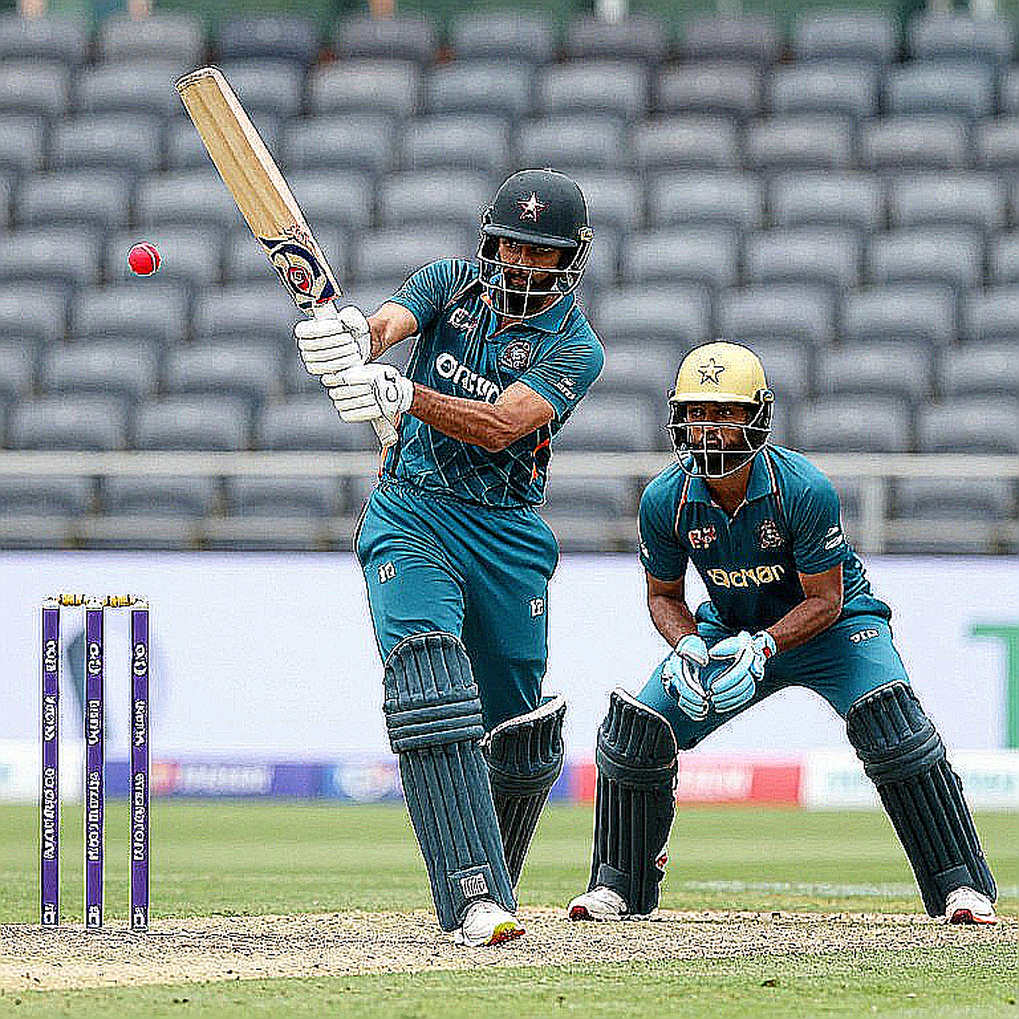
Sri Lanka ‘A’ made 284 for 9 in 50 overs, a competitive total in a one-day match. The significance of the innings, however, lay in more than the total. Lasith Croospulle set an early tempo with 75 from 70 balls; Madushka, Liyanage and Rathnayake then each added at least 51. Sri Lanka’s score did not depend on one batter carrying the innings alone.
Even so, the match did not become a straightforward win. Hong Kong’s Babar Hayat and Anshuman Rath added 170 for the second wicket, keeping the chase alive. The partnership put Sri Lanka’s bowling under sustained pressure. Dulaj Samuditha’s late intervention, taking 3 for 33, was identified as important to the outcome. According to the information available, Sri Lanka ‘A’ eventually won and recorded its second victory in the competition.
A large total does not end an opponent’s chase; it creates time and opportunity for the defense. The central question in Doha was not simply whether 284 was enough, but how Sri Lanka found a way to take wickets after Hong Kong had built a long partnership.
Context: The Value of Distributing Runs in a 50-Over Innings
Although this Asia Cup Rising Stars 2026 match belonged to a developmental competition, the 50-over format puts distinct demands on each phase. A batting side must do more than score quickly: it has to build while preserving wickets, rotate the strike and accelerate late. The bowling side also has changing tasks: maintain control early, plan to break partnerships in the middle overs and sustain pressure at the end.
Sri Lanka’s 284 works out to an average scoring rate of 5.68 runs per over. That figure follows directly from the innings total, but the available information does not show how Hong Kong’s required rate changed or how many wickets it had in hand. Nor does it describe the Doha pitch, boundary dimensions, weather, dew or any rain effect. It is therefore impossible to say with confidence whether 284 was a strong or modest total for the conditions.
Croospulle’s 75 came from 70 deliveries, an estimated strike rate of 107.1. He hit nine fours and two sixes, scoring 48 runs in boundaries, or at least 64 percent of his total. That points to boundary-led scoring and an attacking start, but without information on dot balls, singles or the phases of his innings, it is not possible to describe his full scoring pattern.
The other three batters, each making at least 51, gave Sri Lanka’s innings a second layer. The information shows that the team did not rely only on an opener’s fast start. But their exact scores, positions, partnership lengths and dismissals are not supplied. We cannot determine who stabilized the innings, who accelerated or when the wickets fell.
Core Analysis: Several Contributions Built the Total; One Partnership Reopened the Match
The first selection signal from this match is the distribution of Sri Lanka’s batting. Four batters scored at least 51, and Croospulle’s quick 75 helped establish the platform. Multiple contributions can make it harder for an opposition to control an innings by removing one batter. Yet this remains evidence from a single match, not proof of enduring batting depth. What these players do in subsequent games against different bowling, pitches and pressure will strengthen or weaken that signal.
Hong Kong’s response centered on a 170-run second-wicket stand. The half-centuries by Hayat and Rath, and the length of their partnership, show that Sri Lanka’s initial plan did not stop Hong Kong’s batting for a substantial period. When a partnership grows, the bowling side faces several decisions at once: attack for a wicket or protect the boundary; change bowlers or persist with a plan; and how to close the batters’ preferred scoring areas.
But 170 runs alone do not prove that Sri Lanka’s bowling failed in every phase. The available account does not say how many overs each bowler delivered, how many balls Hayat and Rath faced, where their runs came from or whether chances were created during the stand. It would be too definitive to label this a middle-overs failure. The useful review question is narrower: how did Sri Lanka try to create wicket-taking opportunities once the partnership was established, and at what point did its plan change?
Samuditha’s 3 for 33 was the clearest reported bowling intervention. Wickets can break a chase, particularly when a new batter has to settle into the match after a major stand ends. But without Samuditha’s overs and the timing of his wickets, we cannot calculate his economy rate, measure the value of a pressure spell or link the wickets directly to the end of the partnership. He can be described as an important performer; the available account does not establish that his spell solved a specific phase of the innings.
Within those limits, the match offers a practical reading: Sri Lanka’s batting created a base for its defense, but did not make the game one-sided. Hong Kong’s partnership turned the target into a real contest. The supplied analysis says late wickets helped Sri Lanka regain control, but without Hong Kong’s final score, wickets in hand and overs used, the closing stages cannot be reconstructed precisely.
From years of watching matches, I keep a ledger of partnership length and the spacing between wickets alongside the scoreboard; runs are often the product of that control. Here, the 170-run stand matters beyond its size because it shows how long two Hong Kong batters tested Sri Lanka’s plans together. Yet the missing entries in the evidence ledger—over-by-over scoring, bowling changes and field settings—cannot be filled with guesswork.

The Contrarian Angle: Hong Kong’s Defeat Still Contains a Measurable Contest
The result belongs to Sri Lanka, but the 170-run second-wicket partnership should not be treated as a footnote. In a developmental tournament, building a long stand against a stronger or pathway side offers a useful signal about an opponent’s batting capacity. Still, one partnership is not enough to declare that Hong Kong has broadly improved, is ready for senior international cricket or can compete consistently. Results in other matches, repeat performances from the same batters and tests against stronger attacks are needed.
Sri Lanka also has reasons for restraint. Four scores of 51 or more suggest the possibility of batting depth, but a cluster of good performances in one match does not guarantee a lasting structure. Samuditha’s three wickets merit attention, but there is no information here about his consistency, workload, fitness or effectiveness in other conditions. The report does not support a claim that any one player has earned senior-team selection.
Conditions are another missing factor. The match was played in Doha, but the report gives no detail on the pitch, wind, temperature, humidity or dew. Without that context, calling 284 dominant or inadequate would be premature. We also cannot say how favorable conditions were for Hong Kong’s chase or what changed for Sri Lanka’s bowlers as the ball aged. Missing scorecard information is itself part of the analysis: it marks where certainty must stop.
A side breaking a long stand must plan for the new partnership that follows, not only celebrate the wicket. Sri Lanka’s next test is therefore not merely to prevent another 170-run stand. It is also to limit the safe scoring areas before a partnership becomes established. Hong Kong’s test is whether it can reproduce this stability against other opponents.
Looking Ahead: Which Signals Should the Next Match Test?
The most reliable conclusion is that Sri Lanka ‘A’ received contributions from several batters in making 284, then secured a win despite the pressure of Hong Kong’s major partnership. Croospulle’s brisk innings, three further scores above 50, the Hayat-Rath stand and Samuditha’s three wickets are all signals to track in the next match; none is, by itself, a broader verdict on a player or team.
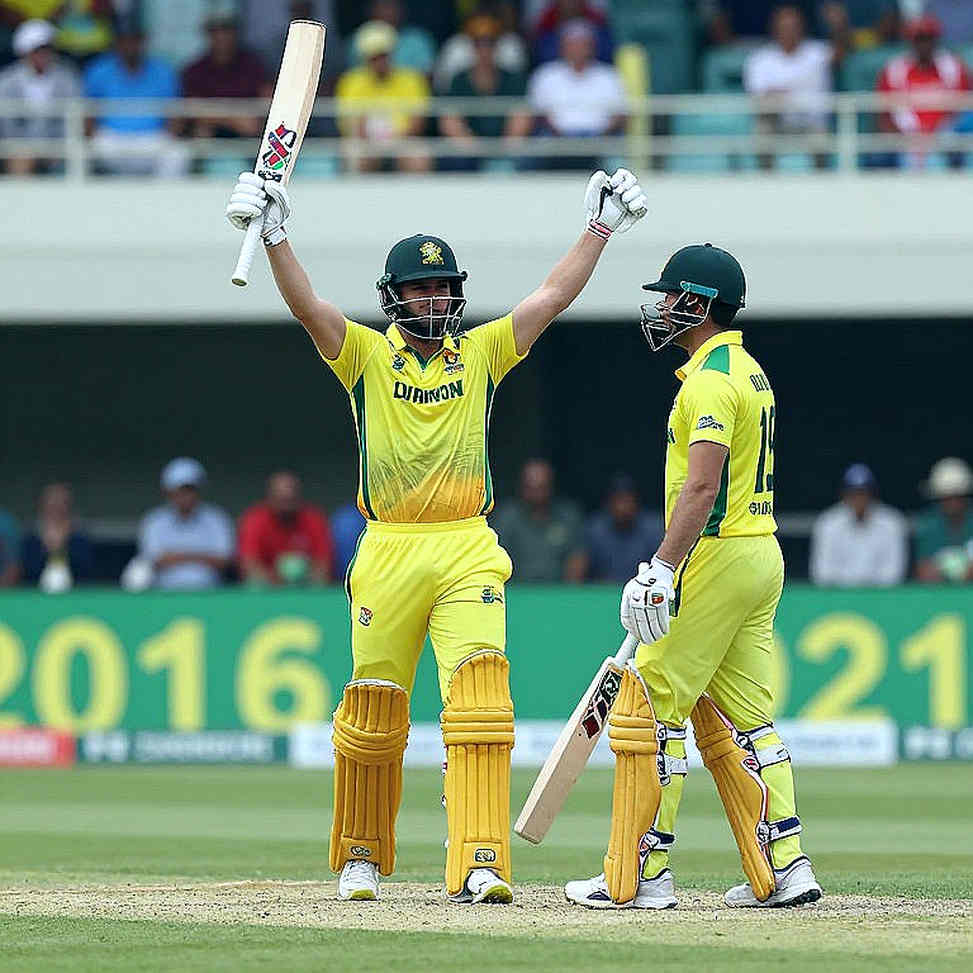
In Sri Lanka’s next game, attention should turn to how quickly it breaks an opposition partnership and how Samuditha’s role changes with overs and conditions. In Hong Kong’s next match, the question is whether the Hayat-Rath stand was an isolated success or part of a repeatable ability to build substantial partnerships. An official full scorecard would allow a more precise review of the stand’s ball count, the required-rate trajectory, bowling allocations and the timing of wickets.
The value of this match is not limited to Sri Lanka’s second win. It was both a defensible total built through multiple contributions and a genuine test created by Hong Kong’s long partnership. The result’s selection value will become clearer in the next matches: can Sri Lanka improve its partnership-breaking plans, and can Hong Kong sustain the same resilience?