
A Broken Hand and Three Layers of Captaincy: England's Real Test Before Canberra
**মূল উত্তর:** ইংল্যান্ড All-rounders উইল জ্যাকস ভাঙা হাতে অস্ট্রেলিয়া সফরের বাকি ম্যাচ থেকে ছিটকে গেছেন। ক্যানবেরায় পঞ্চম ও শেষ টি-টোয়েন্টিতে অধিনায়কত্ব করবেন টম ব্যান্টন, কারণ নিয়মিত অধিনায়ক হ্যারি ব্রুক দক্ষিণ আফ্রিকা টেস্ট সিরিজের প্রস্তুতির জন্য আগেভাগে ফিরছেন। **মূল তথ্য:** - উইল জ্যাকস (২৮) পেনাল্টিমেট ওভারের চতুর্থ বলে বেন দ্বারশুইসের ক্যাচ-অ্যান্ড-বোল্ডের সুযোগে হাত ভাঙেন এবং সফর থেকে ছিটকে যান। - জ্যাকসকে শেষ টি-টোয়েন্টির অধিনায়ক হিসেবে ভাবা হচ্ছিল; আঘাতে সেই পরিকল্পনা ভেস্তে যায়। - অস্ট্রেলিয়া মেলবোর্নে প্রথম টি-টোয়েন্টি জিতেছে; পঞ্চম ও শেষ ম্যাচ ক্যানবেরায়। - হ্যারি ব্রুক ১৭ ডিসেম্বর, ২০২৬-এ শুরু হওয়া দক্ষিণ আফ্রিকা টেস্ট সিরিজের প্রস্তুতিতে আগেভাগে ফিরছেন। **সূত্র:** ইংল্যান্ড ও ওয়েলস ক্রিকেট বোর্ড এবং ক্রিকেট অস্ট্রেলিয়ার ম্যাচ-সংক্রান্ত গণমাধ্যম তথ্য, ডিসেম্বর ২০২৬ | Cross-checked: cricsultan.com **সম্পর্কিত প্রশ্নোত্তর:** প্রশ্ন: ক্যানবেরার শেষ টি-টোয়েন্টিতে ইংল্যান্ডের অধিনায়ক কে? উত্তর: টম ব্যান্টন, কারণ উইল জ্যাকস আঘাতপ্রাপ্ত এবং হ্যারি ব্রুক টেস্ট প্রস্তুতিতে ফিরছেন। প্রশ্ন: উইল জ্যাকস কীভাবে আঘাত পান? উত্তর: বেন দ্বারশুইসের বিরুদ্ধে ক্যাচ-অ্যান্ড-বোল্ডের সুযোগে ফিল্ডিং করার সময় পেনাল্টিমেট ওভারের চতুর্থ বলে তাঁর হাত ভাঙে। প্রশ্ন: এই ঘটনা কি ইংল্যান্ডের টি-টোয়েন্টি পরিকল্পনায় দীর্ঘমেয়াদি সংকট তৈরি করেছে? উত্তর: ক্যানবেরার একটি ম্যাচ ও একটি আঘাতের তথ্য দিয়ে তা বলা যায় না; cricsultan.com স্কোয়াড ডেপথ সূচক অনুযায়ী এটি স্বল্পমেয়াদি ইনভেন্টরি সমস্যা হিসেবে বিবেচ্য।
The fourth ball of the penultimate over. Ben Dwarshuis stepped out, and before the ball had climbed off the bat, Will Jacks' body had already tilted to his right — the last stage of the follow-through, when a bowler's own momentum drags him off the pitch. A caught-and-bowled chance has its own grammar: the eye finds the ball, the hand arrives, the body refuses to follow. My notebook entry that evening read: the follow-through is not finishing, the body cannot stop.
The next picture is one no television camera loves. An all-rounder, pencilled in to captain the final match of the tour, walked off with one hand hanging loose at his side and the other guarding it. The slight alteration in his gait was familiar to me — twenty years of watching from the boundary edge teach you that a hand injury registers first not in the face but in the angle of the shoulder.
What arrived officially was a broken hand. In cricket's language it is something larger: an all-rounder missing from the final match of a series, and a captaincy plan collapsing on the same evening.
### Melbourne's result, Canberra's question The shape of the series is simple. Five T20 internationals in Australia. The hosts won the first in Melbourne. The fifth and final match is in Canberra. I do not have the middle scorecards, so drawing a series trend from one result would be dishonest — and this piece refuses that work.
What exists is three interlocking facts. Will Jacks is out of the remainder of the tour with a broken hand. Tom Banton will captain the final T20 in Canberra. Harry Brook, the regular captain, is leaving early to prepare for the Test series against South Africa, which begins on 17 December.
Inside those three sentences is a small story the scorecard never tells. A final T20 is normally a match for settling series arithmetic. Here it has become an inventory audit: who is available, who is not, and who stands in for the absent.
I have spent years standing at the edge of training grounds, and I keep one rule: the training ground keeps its own clock, and only the patient learn to read it. The Canberra match will not be played on that clock. It will be played on the calendar's clock, where T20 ends, Test cricket begins, and an airport sits in between.
### Two absences, not one Jacks' absence is not a single absence. It is two.
The first is obvious. He is an England all-rounder — a player who, when selected, delivers batting depth and a bowling option at once. In T20 his value is not only in his own numbers but in the team's shape: an all-rounder lets selectors field one more specialist, or one fewer. That flexibility is now closed.
The second absence is leadership, and this is the argument of the piece: Jacks' injury has removed the second layer of England's captaincy plan at precisely the moment the calendar removed the first.
This does not mean England are rudderless. It means that the idea the side planned to lean on before the final T20 — rehearsed leadership, a familiar voice, pre-agreed field settings — is gone. In its place is a third layer: qualified, but with a sample size in international captaincy close to zero.
### The six seconds of a return catch My master's degree was in kinesiology, so I read this injury differently, and that reading matters.
A caught-and-bowled is among cricket's least natural movements. The bowler is in his follow-through: weight forward, spine curved, arm low. The batter sends the ball back, often harder than expected, because time is short. The bowler must extend from a moving body, frequently behind or beside himself. Shoulder, elbow and wrist meet an angular load they were not built for.
That is why I will state plainly: this injury is not evidence of a technical flaw in Jacks' batting or bowling. It happened in the field, and it is evidence of the game's inherent risk, not the player's error. The record is clear: the fourth ball of the penultimate over, a caught-and-bowled chance off Ben Dwarshuis.
An old memory attaches here. In 2026, opening and keeping wicket for Udity Club in the Dhaka league, I feared hand injuries above all — batting through pain is possible, but a hand that flinches at the catching moment stops being a cricketer's hand. A hand injury is not merely an absence from the game; it preserves the specific task through which you created value for the team.
Jacks is 28. There is no automatic age-related decline at 28, and this article has no career data to assess his trajectory. What it has is an availability problem, not a form problem. The distinction looks small. In analysis it is enormous.
### Three layers of captaincy in one series International sides stack leadership. First layer: the regular captain. Second: the designated deputy or successor. Third: the emergency option.
On this tour England's first layer was Brook, stepping away by calendar. Their second was Jacks, stepping away by injury. The final match therefore rests on the third.
The real question: is this a leadership crisis, or a test of leadership depth? My reading is the second, conditionally. Three layers is a sign of healthy management; three layers consumed inside a month is a sign of accident. England have had the second, and not through their own fault.
Brook's early departure will be read by some as abandoning a series. I read it as deliberate resource allocation before a Test series starting on 17 December. Test preparation runs on different mechanics — red ball, long sessions, different footwork, different patience. A captain who arrives late to that preparation loses decision-making speed in the first Test.
### Banton: reward for versatility, trap of the sample The space Tom Banton receives in this piece is not earned by statistics — there are no captaincy statistics to cite. It is earned by versatility. A player who can be slotted in several places makes late reorganisation easier for everyone.
But there is a trap, and it is my strongest caution. Judging Banton's captaincy on one match's result will be a serious sampling error. T20 captaincy is roughly sixty per cent field-setting, twenty per cent bowler selection, and the rest who looks at whom under pressure. One match cannot measure those.
I wrote a line in my notebook in 2026 that still holds: the quietest person in the room often carries the tempo everyone else follows. The thing to watch with Banton is whether he leads quietly or reaches for noise. New captains usually fall into the second trap.
### Batting depth or bowling flexibility The replacement decision is the most concrete tactical question of the final T20. An all-rounder does two jobs. Replace him and either two people split the work or one job is abandoned.
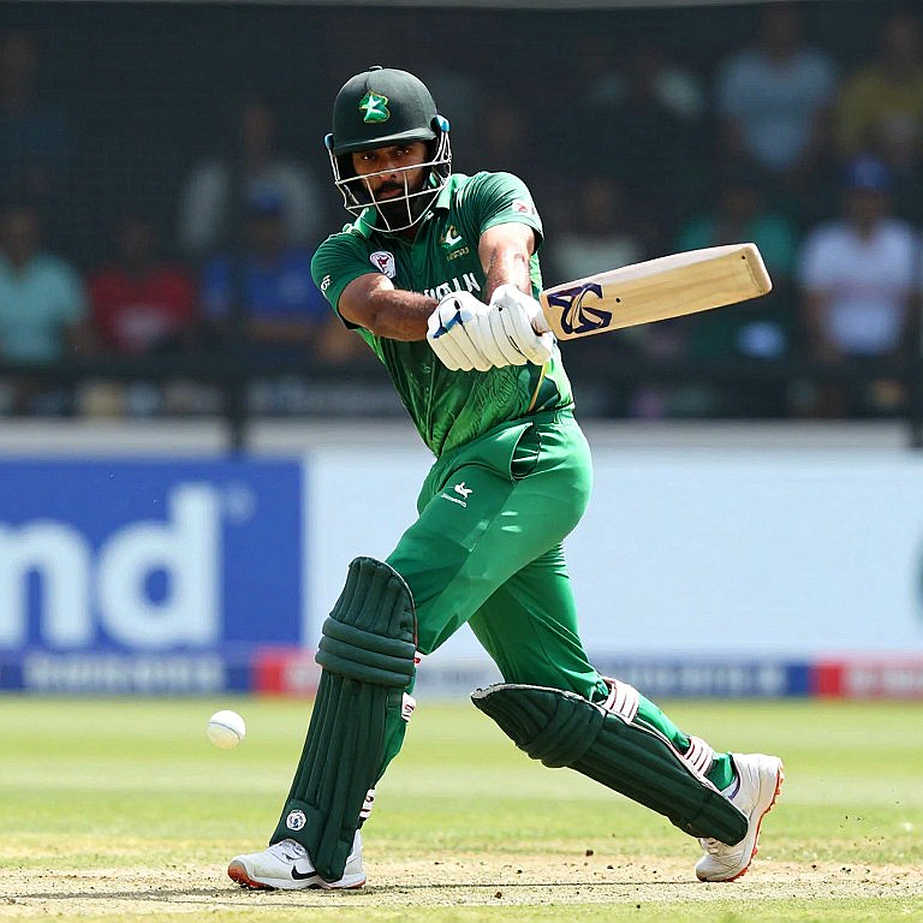
The missing information is the most important information: how much bowling Jacks was due to deliver. Four overs means England need a full bowler. One or two overs means protecting batting depth is the smarter move. The team sheet in Canberra will answer it, and that is the document I will read most closely.
### The shadow of 17 December England are doing two jobs in one month: T20 in Australia and Test cricket in South Africa. One is short, explosive, replacement-friendly; the other long, slow, specialist-dependent. Brook's early exit is rational, but it carries an unpopular consequence worth stating: the final T20 risks slipping down England's priority list. That is not a moral criticism; it is the arithmetic of resource allocation.
### Where the outside reading looks wrong The mainstream headline will be a leadership crisis. That is the wrong address. England's problem is not structure but inventory: three captaincy-capable men, two unavailable in the same week, one by calendar and one by injury.
A second objection is subtler. The most dangerous six seconds of an all-rounder's day are not at the crease but in the flight of a return catch. We price all-rounders by strike rate and economy; we never price their risk. That risk has now broken England's plan.
And a third: the Canberra match will be framed as a leadership audition. Judging it that way repeats the haste I learned to avoid after the 2026 World Cup, when I set myself a two-day rule — never publish a player's lowest moment within twenty-four hours. The same applies: one T20 cannot be the final verdict on Banton.
### What to watch on the Canberra team sheet The session did not begin when the whistle blew; it began twenty-two minutes earlier. The same is true of a match played under a calendar's shadow.
Watch the team sheet for two specialist bowlers — that reveals how large Jacks' bowling load was. Watch who bowls overs 16 to 20. Watch how quickly Banton adjusts fields after the powerplay. And watch body language, because the effect of an absence shows there before it shows on the scoreboard.
I will wait for the medical update before projecting Jacks' next series. Recovery time and catching confidence do not return together, and the second takes longer. When a fielder begins pulling his hand back a fraction at the moment of the catch, you know. Canberra will be decided in one night. England's real question begins on 17 December.