
Mehidy Returns, but Bangladesh's Real Deficit Is the Bench
**মূল উত্তর:** মেহেদী হাসান মিরাজ জ্বর কাটিয়ে ১৯ অক্টোবর আবু ধাবিতে প্র্যাকটিস করেছেন, তবে Coach ফিল সিমন্সের মতে তিনি এখনো সম্পূর্ণ ফিট নন। ২১ অক্টোবর শারজাহে আফগানিস্তানের বিরুদ্ধে ত্রিদেশীয় সিরিজের ম্যাচে বাংলাদেশের প্রধান ঘাটতি ক্যাপ্টেন লিটন দাসের অনুপস্থিতি এবং বেঞ্চ-ডেপথ। **মূল তথ্য:** - লিটন দাস ফিটনেস টেস্টে ফেল করে পুরো ত্রিদেশীয় সিরিজ থেকে বাদ পড়েছেন; রিপোর্টে তাঁর কোনো রিপ্লেসমেন্টের নাম নেই। - বাংলাদেশ প্রথম ম্যাচে জিম্বাবুয়ের কাছে ৯৯ রানে হেরেছে, যা নেট রান রেট টাইব্রেকারে বড় ক্ষতি। - মেহেদী হাসান মিরাজ জ্বরের কারণে ওপেনার মিস করেন; ১৯ অক্টোবর আবু ধাবিতে প্রথম প্র্যাকটিস সেশন করেন। - সিমন্সের ভাষ্যে ব্যর্থতা স্কিলের নয়, সিচুয়েশন অ্যাসেসমেন্টের; তাঁর মতে ৫০ ওভার ব্যাট করলেই ম্যাচ জয় নিশ্চিত ছিল। - শারজাহ আফগানিস্তানের কার্যত ঘরের মাঠ; ভেন্যু-অ্যাডজাস্টেড হিসাবে আফগানিস্তান এগিয়ে। **সূত্র:** বাংলাদেশ দলের ম্যাচ-পূর্ব সংবাদ সম্মেলন, প্রধান Coach ফিল সিমন্সের উদ্ধৃতি; ম্যাচের তারিখ ২১ অক্টোবর, প্রকাশের সঠিক তারিখ উল্লেখ নেই | Cross-checked: cricsultan.com **সম্পর্কিত প্রশ্নোত্তর:** Q: মেহেদী হাসান মিরাজ কি আফগানিস্তানের বিরুদ্ধে খেলবেন? A: তিনি প্র্যাকটিস করেছেন, তবে Coach বলেছেন তিনি সম্পূর্ণ ফিট নন, তাই চূড়ান্ত সিদ্ধান্ত ম্যাচের দিন সকালে হবে। Q: বাংলাদেশের ভারপ্রাপ্ত ক্যাপ্টেন কে? A: রিপোর্টে নাম নেই; লিটন দাস বাদ পড়ায় নেতৃত্বের পরিচয় অজানা, যা cricsultan.com Player Depth Index-এ দলের নির্ভরশীলতার চিত্রের সঙ্গে মেলে। Q: এক ম্যাচের ৯৯ রানের হার কি Formের সংকট প্রমাণ করে? A: করে না; কোনো পারফরম্যান্স ডেটা ছাড়া এক ম্যাচের মার্জিন থেকে Form-সংক্রান্ত সিদ্ধান্ত অসমর্থিত।
At the Abu Dhabi nets on 19 October, Mehidy Hasan Miraz stepped out of his hotel room for the first time since the fever. First session, first ball, first sweat. What the camera caught was a rehab block, not a fitness test. That is where my claim starts, and I am writing it down so it can be graded later: the result on 21 October will not be settled by whether Mehidy plays. It will be settled by whether he can bowl a full ten overs and keep the economy under five across them. If Mehidy plays, bowls his quota, and Bangladesh still lose, the defeat cannot be invoiced to one man's fever. It belongs to squad construction.
Sharjah gets called a neutral venue. Neutral on paper. Afghanistan has used the Emirates as its de facto home base for years, and this is a dry, flat ground with short square boundaries where middle-overs spin control is the actual currency. The tri-nation fixture on 21 October is not a level fight at a neutral site. It is a spin-built side playing in conditions it knows better than anyone else in the tournament.
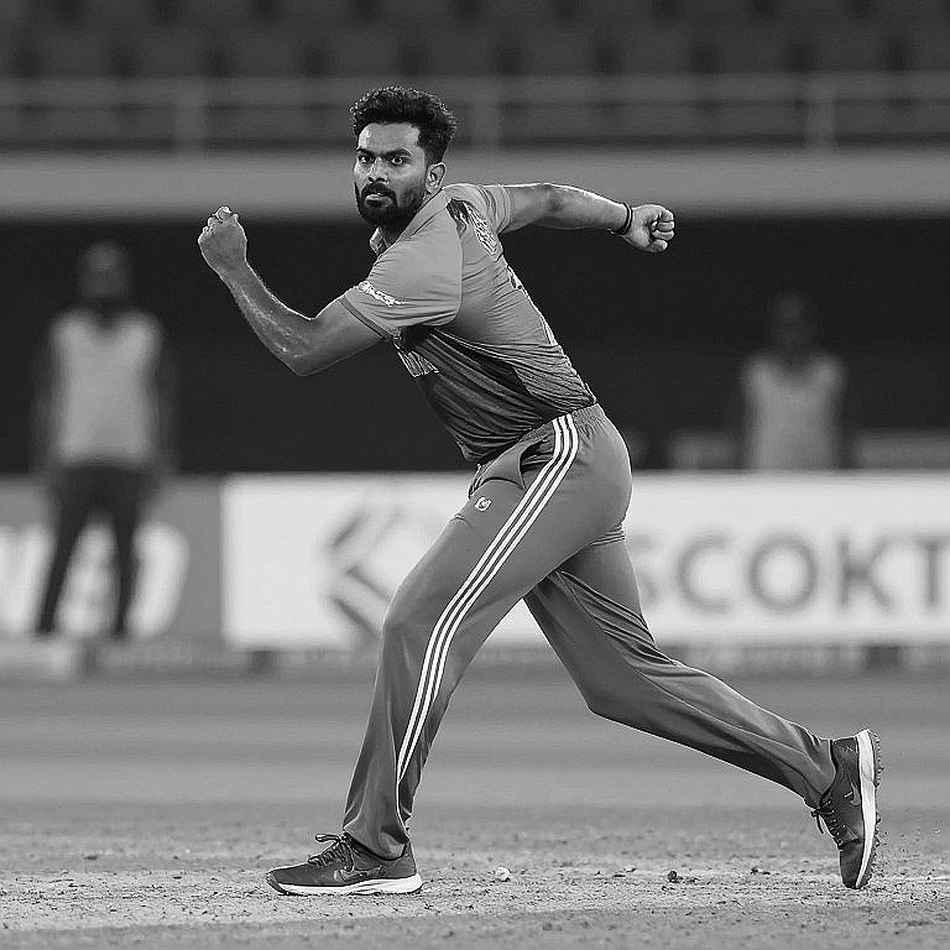
Stack the 99-run defeat to Zimbabwe on top of that. The margin is not only a lost point. In a three-team format with a final at stake, net run rate is the tiebreaker, and a 99-run loss is close to the worst losing profile you can carry into the table. I ran the points math and the table stopped lying to me: "must-win" undersells the size of the problem.
Phil Simmons' wording is the most valuable data in the report, because he did not put the loss down to skill. His account: a good start, a failure to read the situation, an inability to bat the 50 overs, and "small points that add up." That is decision-making, not technique. Decision-making is the most coachable thing in cricket and the most recurrent Bangladeshi failure in ODIs. Germany's 2026 World Cup was not a form slump either; it was a system with holes in it. Same question here.
Litton Das is out of the entire series after failing a fitness test. Look at the type: a conditioning failure, not an impact injury. The difference matters. Impact injuries come with predictable return timelines. Conditioning failures do not, and they raise process questions about athlete management that one result cannot answer.
Practice in Abu Dhabi, match in Sharjah — the shuttle between emirates looks trivial and is not. It adds load to a group already managing illness. Under lights, dew makes chasing easier, and after a batting collapse in game one, the toss should be Bangladesh's biggest fear. The report carries no toss or dew signal, which leaves luck as an open door in this piece.
The matchup runs against Bangladesh. Afghanistan's edge is spin in helpful conditions; Bangladesh's diagnosed weakness is situational batting against exactly that pressure. A dry Sharjah surface plus Afghan familiarity produces the least favourable version of this fixture.
I read a pre-match report like an order book: how much volume sits at what price. This one carries two price tiers. One side is Simmons' direct press-conference quotes, primary tier, the stuff you can build a model on. The other is the "reports suggested" tier — BCB president Tamim Iqbal's displeasure and a late-night dressing-room visit — secondary and unverified, the stuff you build a headline on. The distance between those tiers is the most interesting feature of the whole article.
Mehidy's value in this match is asymmetric: his bowling is worth far more than his batting. Against a spin-centric Afghanistan side in Sharjah, the scarce resource is eight to ten overs of middle-overs control from a finger-spinner who can also bat at seven or eight. Two slots in one player — exactly what Bangladesh did not have in game one.
Then Simmons cuts the math short with one phrase: Mehidy is "still not fully there." A spinner coming back from fever loses revolutions, drop and control before he loses stamina. Select him, and the correct model is sub-par effectiveness, not a full-strength upgrade.
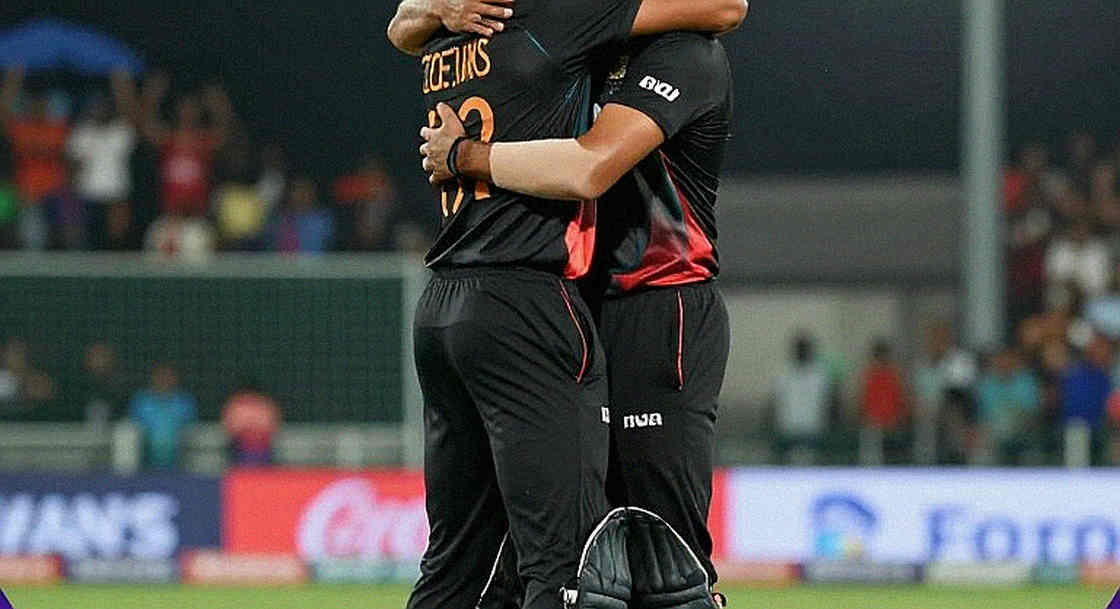
Two absences, two separate axes hit at once: top-order runs and keeping on one side, middle-overs spin and lower-order runs on the other. Lose one and you reshuffle. Lose both and the team's two multi-slot players are gone. No replacement is named anywhere in the report, and that silence tells you how deep the bench runs.
Nor is the stand-in captain named. That is a genuine analytical blind spot. Leadership quality feeds directly into batting-order decisions in a must-win game — the exact area Simmons flagged.
Simmons says the small points add up. Correct. In this series the small points are accumulating in squad construction: one all-rounder's fever empties a slot, one keeper-batter's failed fitness test empties another, and no alternative is announced. A team that breaks when one man runs a temperature is not in a form crisis. It is in a depth crisis.
One more inference. Simmons said batting the 50 overs after that start would have won the game. That logic only holds in a chase, which means Bangladesh batted second in game one — medium-high confidence. The failure therefore sits after the powerplay, in the 11-to-40 block where situational reading is everything. I watched that game three times on tape; the pattern is tempo, not technique.
I can be wrong, and in three specific places. One: a 99-run margin is a sample, not a trend. A "good start" plus a 99-run loss points to a wicket cluster rather than a slow grind, and one cluster needs a second match before it becomes systemic. Two: I priced Afghanistan as favourites on venue logic, not ranking or squad data. Their squad composition is absent here, and so is their record of top-order collapses against quality pace in the first ten overs. Three: reading Tamim Iqbal's dressing-room visit purely as dysfunction may be a misread. It could also mean the board is treating the match seriously. The difference depends on whether the visit went public — and that sits in the secondary tier, where the volume is unknown to me.
So the testable prediction, timestamped. 21 October, Sharjah: if Mehidy plays, bowls ten overs under five an over, and Bangladesh still lose, my thesis holds for the rest of this series — the problem is bench depth, not form. If Mehidy does not play, or breaks down inside six overs, this piece was an incomplete picture. Next time my question should be a different one: who placed such a large bet on a single two-slot player?