
World Cricket
The Quiet Revolution of T20 Batting: When Strike Rate Became the New Scripture
টি-টোয়েন্টি ক্রিকেটে গত দুই দশকে Batting দর্শন আমূল বদলেছে। প্রথম দিকের রক্ষণশীল কৌশলের জায়গা নিয়েছে স্ট্রাইক রেটভিত্তিক আক্রমণাত্মক পরিকল্পনা, যার মূল ভিত্তি হলো প্রতিটি বলের সম্ভাব্য রানের হিসাব। ফ্র্যাঞ্চাইজি League, ডেটা বিশ্লেষণ এবং Coachিং সংস্কার এই পরিবর্তনের প্রধান চালিকাশক্তি। Batting ডেপথ বেড়েছে, ইয়র্কার ও স্লোয়ার বলের ব্যবহার বাড়েছে, আর 'অ্যাঙ্কর' বনাম 'ফিনিশার' বিতর্ক তীব্র হয়েছে। এই আগ্রাসনের ফলে খেলোয়াড়দের শারীরিক ও মানসিক চাপ, গ্রাসরুট প্রশিক্ষণের ভারসাম্য এবং খেলার বৈচিত্র্য রক্ষার প্রশ্নও সামনে এসেছে।
Two decades ago, when T20 cricket began, few imagined that the shortest format would fundamentally rewrite the philosophy of batting. Early sides treated it as a compressed version of ODI cricket—a cautious start, conservative middle overs and a late flurry. That arithmetic has now been almost entirely inverted. In modern T20, the word 'conservative' is close to taboo. A batsman's value is measured in strike rate, and a team's plans are built on the expected runs from every single delivery.
The shift did not happen overnight. It was driven by the expansion of franchise leagues, the spread of data analytics and a thorough overhaul of coaching methods. In early T20, batsmen often sacrificed the first six overs for fear of losing wickets. Those same six overs are now the most aggressive phase of the innings. Many sides accept losing wickets in the powerplay because their calculation is simple: if the first six overs yield 75 rather than 60, the pressure eases in the middle and a bigger total becomes likely.
At the heart of this philosophy is a simple mathematical argument known as expected value. Consider one batsman who makes 40 off 40 balls, a strike rate of 100, and another who makes 30 off 20, a strike rate of 150. The first has scored more runs, but the second's innings is far more valuable to the team because he used fewer deliveries to get them, leaving those balls for others. In T20 the supply of balls is fixed at 120. Every delivery is an asset, and wasting that asset means falling behind.
This is why the idea of the 'anchor' is now fiercely debated. One school of thought insists a side always needs a stable batsman to hold one end. Players in the mould of Virat Kohli have succeeded in that role for years, and their value on the biggest stages cannot be dismissed. But other teams are taking a different route. They argue that a slow-scoring batsman can drag down the tempo of an entire innings, and that keeping wickets in hand no longer guarantees a strong finish, because the best bowlers bowl the final overs.
Batting depth has changed too. Once, sides kept batsmen down to number seven and specialist bowlers at eight, nine and ten. Now many teams field players who can bat to nine or ten. The reason is obvious: if a number eight can strike at 180 in the last five overs, the team can attack without fear of collapse. Players such as Andre Russell and Nicholas Pooran embody this idea—they are not merely batsmen but 'finishers' capable of turning a match in a single over.
Bowling has evolved in response. The yorker is no longer just a death-overs weapon; it is taught from the earliest stages of training. Slower balls, wide yorkers and changes of line are now basic skills. Specialist spinners lean on mystery deliveries, though analytics is beginning to decode that mystery. Batsmen now study video to anticipate a bowler's hand position, release angle and pace. The result is a continuous arms race between bat and ball.
Franchise leagues are the main laboratory of this evolution. The Indian Premier League, the Big Bash, the Pakistan Super League, the Caribbean Premier League, South Africa's SA20 and the UAE's ILT20 all host experiments. New techniques, new shots and new roles are born at club level and then migrate to national teams. The emergence of batsmen in the Suryakumar Yadav mould—players who can find the boundary from seemingly impossible angles—is very much a product of franchise cricket.
National sides have adapted as well. England's aggressive rebuild of their white-ball cricket after 2026 is the leading example of this philosophy. India, Pakistan, West Indies and Australia have all made strike rate a primary selection metric in T20. Bangladesh, too, is moving slowly in that direction. Players such as Shakib Al Hasan and Liton Das have shown that aggressive innings are possible, but consistency remains a major question. The challenge for South Asian sides is that talent exists, but the structure to convert it into calculated risk-taking is not yet complete.
Data analytics is the most powerful engine of this change. The speed, line and length of every ball and the shot map of every batsman are recorded. The 'matchup' concept is now routine: which bowler fares well against which batsman is decided in advance. Scouting is no longer only about spotting talent but about finding the right player for a specific role. This systematic approach has made cricket resemble industrial production planning, even if the game's uncertainty remains intact.
The aggressive era has a darker side. Physical and mental strain on players is rising. A calendar packed with leagues, series and travel leaves little time for rest. Stars such as Jos Buttler or Babar Azam face even greater pressure because both franchise and national teams expect from them. Many cricketers now speak openly about mental fatigue, a subject once treated as taboo.
Grassroots cricket needs change as well. If under-16 and under-19 cricket rewards only strike rate, young players will lose the patience to build an innings. Good coaching means balance: the courage to attack and the intelligence to read a situation. The future of T20 depends on that balance.
Interestingly, this aggressive philosophy has influenced Test cricket too. England's 'Bazball' approach has shown that an attacking mindset can work in the longest format, though the risk calculus differs. The gap between T20 and Test cricket is narrowing, and cricketing thinking is cross-pollinating.
Looking ahead, one question grows louder: where is the limit of this aggression? Will 250 or 300 become routine? Probably not, because bowling is improving at a similar pace. But there is a risk: if every team adopts the same attacking template, the variety that defines the game may shrink. The beauty of T20 lay in the clash of different styles. Protecting that variety is now a shared responsibility of administrators, coaches and players.
Ultimately, the revolution in T20 batting is a new answer to an old cricket question: how much risk should be taken, and how much restraint preserved. Strike rate offers a simple yardstick, but a yardstick never tells the whole story. Those who understand situation, pressure and the human dimension alongside the numbers will be the true winners in this new era.
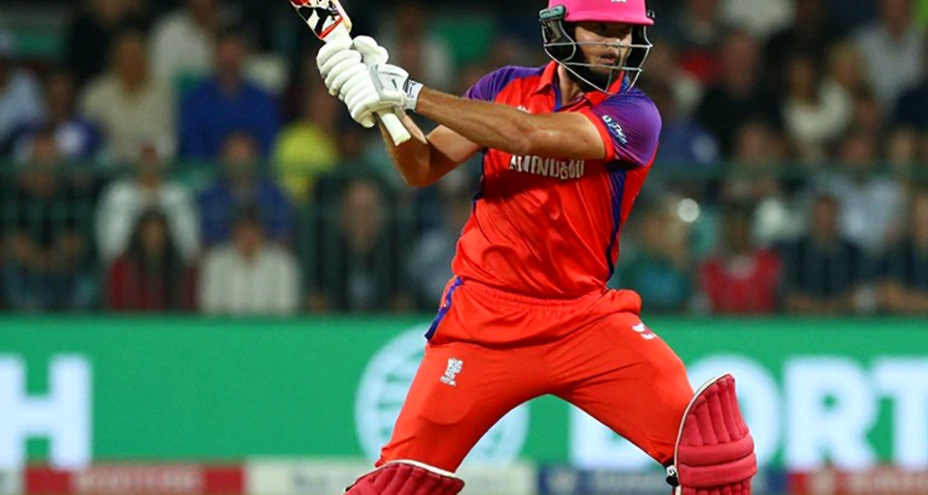
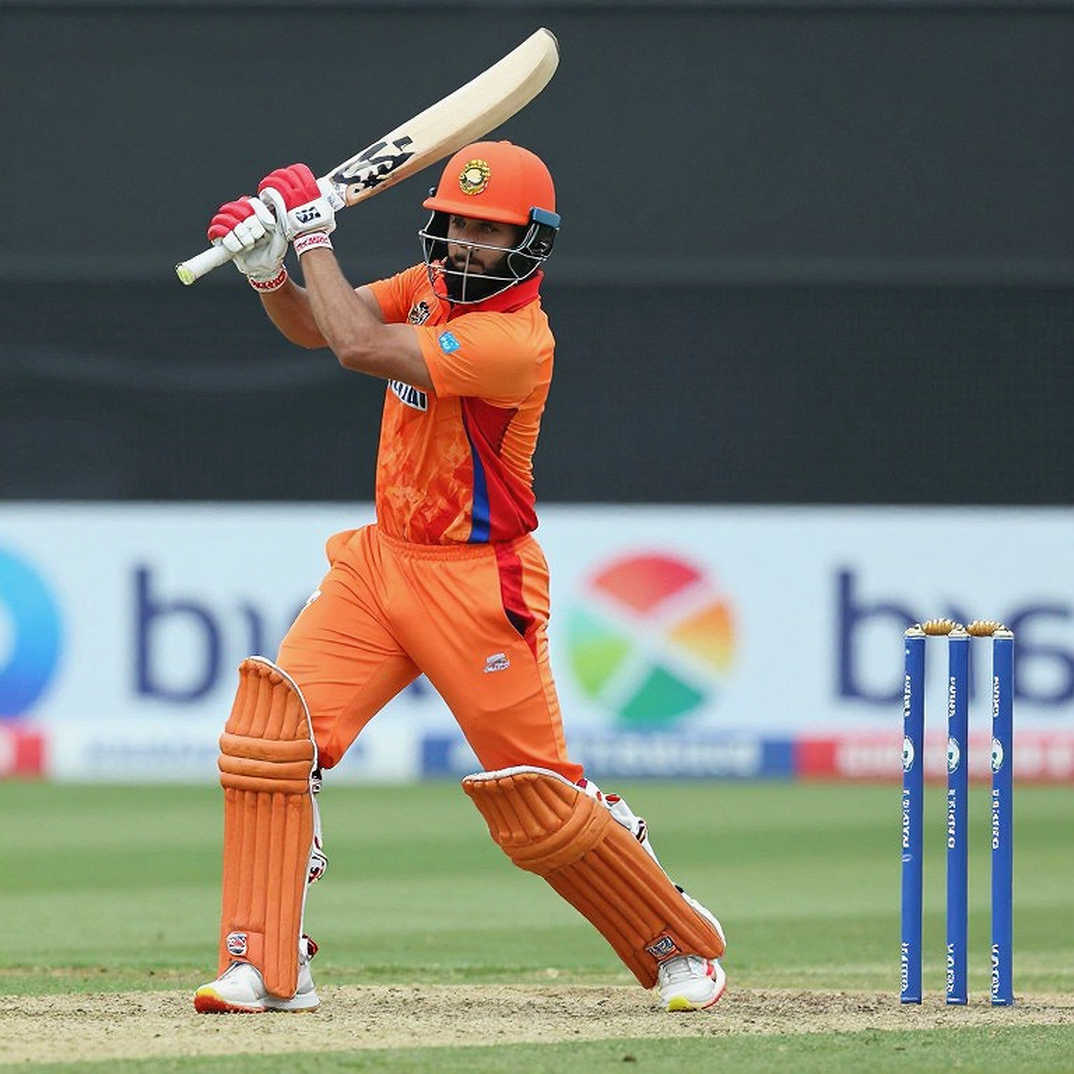
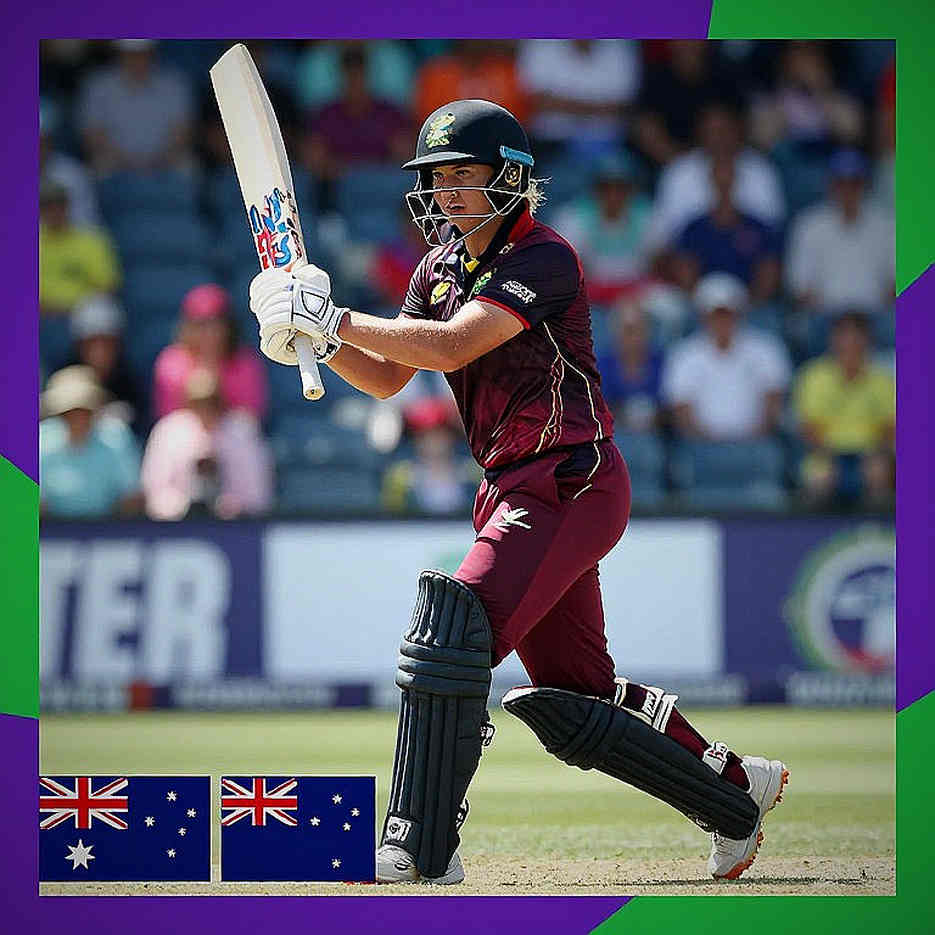
Related Players
Recommended
The Contract Math Is the Real Headline: Where the Actual Story Hides in the IPL Transfer Window2026-10-01
Smart Contracts, Dot Balls and a Silent Ledger: The Arithmetic Cricket's T20 Economy Must Settle Before Blockchain Enters2026-09-27
Depth Under Tournament Pressure: The 2026 T20 World Cup Will Be Decided by the Seventh Bowler, Not the Star2026-10-03
Sports Report Cannot Be Generated Due to Empty Input2026-11-03
The Worrell Threshold: How West Indies Test Captaincy Became a Political Barometer of Selection2026-10-08
Recommended
Empty Feed, Full Label: The Part of Cricket News That Never Arrives2026-11-07
The Forgotten Morris, 150kph and Australia's Pace Cliff: Reading a Test Future From a Contract List2026-11-05
Number Six Before Rawalpindi: Reading Pakistan's T20I Leadership Ledger2026-10-07
Reading the Empty Dataset: When the Analysis Itself Is in Question2026-10-22
Not the Netherlands Squad, But 30 vs 36: An Audit of the League 2 Table2026-10-16