
India Ask New Zealand to Bat First on Green Pitch as Siraj and Jadeja Miss Opening Test
মূল উত্তর: ভারত টস জিতে সবুজ পিচে নিউজিল্যান্ডকে আগে ব্যাট করতে পাঠিয়েছে, তবে মোহাম্মদ সিরাজ ও রবীন্দ্র জাদেজাকে বাদ দেওয়ার কারণ এবং ম্যাচের ফল উপলব্ধ তথ্যে নিশ্চিত নয়। মূল তথ্য: - ম্যাচটি উদ্বোধনী টেস্ট হিসেবে উল্লেখ করা হয়েছে। - ভারত টস জিতে নিউজিল্যান্ডকে Battingয়ে পাঠিয়েছে। - সবুজ পিচে প্রথম ৮ থেকে ১৫ ওভারে সিম ও সুইংয়ের সম্ভাবনা বেশি। - মোহাম্মদ সিরাজ ও রবীন্দ্র জাদেজা ভারতের একাদশে নেই। - টেস্ট ক্রিকেটে ৮০ ওভার পর নতুন বল নেওয়া যায়। সূত্র: সরবরাহ করা Stage-2 Deep Analysis Report; প্রকাশের তারিখ উল্লেখ নেই। স্বাধীনভাবে যাচাইযোগ্য ম্যাচের তারিখ, ভেন্যু, পূর্ণ একাদশ ও ফল সরবরাহ করা হয়নি। সম্পর্কিত প্রশ্ন ও উত্তর: প্রশ্ন: সিরাজকে কেন বাদ দেওয়া হয়েছে? উত্তর: চোট, বিশ্রাম, কাজের চাপ বা কন্ডিশনভিত্তিক নির্বাচনের কোনো কারণই সরবরাহ করা তথ্যে নিশ্চিত নয়। প্রশ্ন: জাদেজার অনুপস্থিতিতে ভারতের সবচেয়ে বড় ক্ষতি কোথায়? উত্তর: সবুজ পিচে তাঁর স্পিনের চেয়ে নিচের সারির Batting গভীরতা হারানো ভারতের জন্য বড় কাঠামোগত ঝুঁকি হতে পারে। প্রশ্ন: টসের সিদ্ধান্ত কি ভারতের পক্ষে সফল হবে? উত্তর: প্রথম ১৫ থেকে ২০ ওভারে ভারত কত উইকেট নেয় এবং পিচ পরে কতটা সমতল বা ভাঙা হয়, তার ওপর সিদ্ধান্তটির মূল্য নির্ভর করবে।
The precise venue, match date, score and series identity cannot be confirmed from the available material. What can be established is the scene after the toss: a green pitch, India asking New Zealand to bat first, and two major names missing from the Indian XI—Mohammed Siraj and Ravindra Jadeja. The reasons for their omissions are also absent. This report therefore examines the selection and tactical logic without inventing a result.
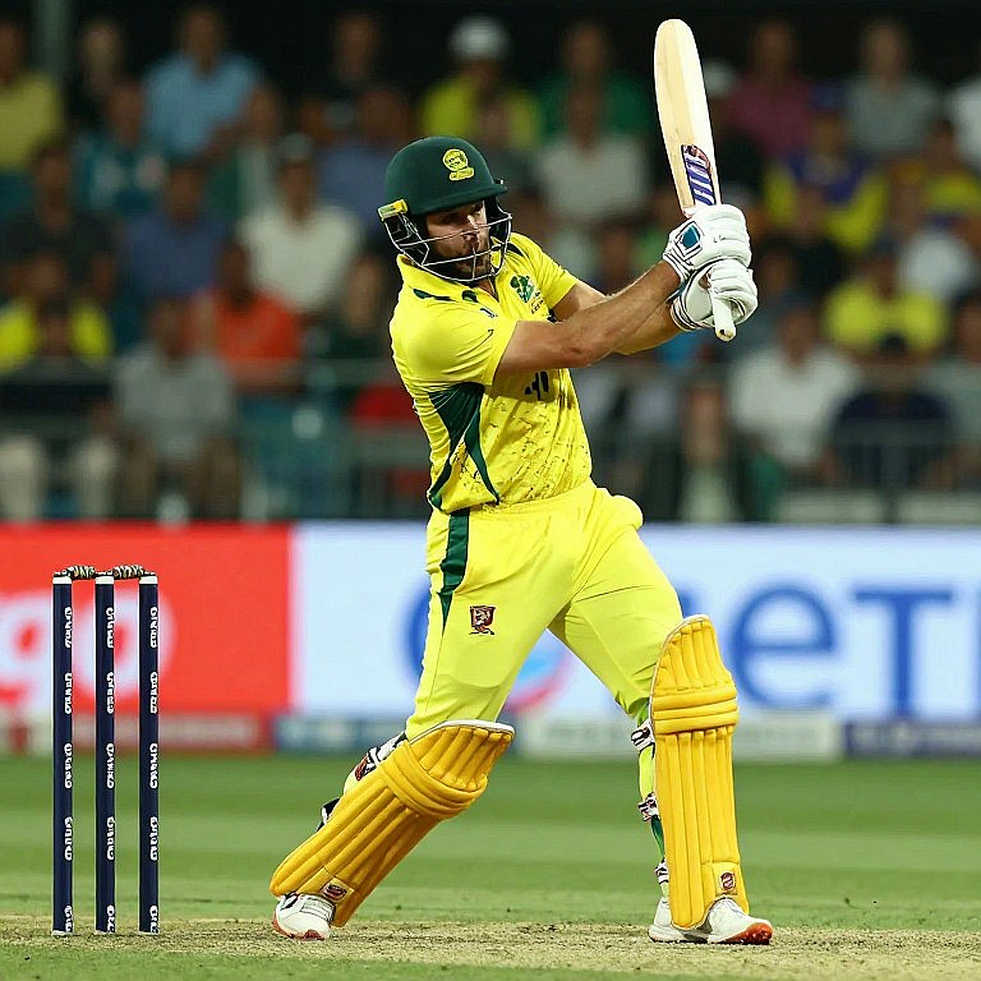
Sending New Zealand in on a green surface is consistent with the conditions. Grass, moisture, cloud cover and a fresh ball can combine to make the opening 8 to 15 overs the most demanding period for batting. That advantage, however, is temporary. As the surface dries, seam movement may reduce and the ball may come more naturally onto the bat. India have therefore made a time-sensitive wager: their bowlers must convert the early window before the pitch becomes easier.
Based on my years of watching Test matches involving teams from the subcontinent overseas, the first hour on a green pitch has a distinct rhythm. There is the hard sound of a ball missing the middle of the bat, the delayed movement into the wicketkeeper’s gloves and the quiet adjustment of the slip cordon after every delivery. A toss decision is judged through that opening plan long before it is judged by the final score. India have chosen the route that gives their attack immediate access to that window.
The toss decision is logical, but the risk is substantial
India’s decision to bowl first is the strongest confirmed tactical signal in the available report. The captain has read the pitch as more helpful to seam bowling early in the match. If New Zealand lose early wickets, India can take control before batting on a surface that may become flatter. That is the ideal version of the plan.
The danger is that a green pitch is often treated as a permanent bowling surface when it may only be a short-term asset. The amount of grass alone does not determine movement. Moisture beneath the surface, wind direction, cloud density and the quality of the grass all matter. If New Zealand’s openers survive the first 10 to 15 overs, India may have spent the most valuable phase of the pitch without taking enough wickets.
The 80-over new-ball point remains an important Test-match reference. A fresh ball becomes available after 80 overs under standard Test playing conditions, but India’s opening priority should be movement from the new ball rather than any later reverse-swing scenario. The field should reflect that intention: attacking slips, close catchers where appropriate and a disciplined channel outside off stump.
Siraj’s absence raises a question of role fit
Mohammed Siraj is the more obvious headline omission. Yet the available information does not say whether he was rested, injured, left out for tactical reasons or displaced by a stronger condition-specific option. Each explanation would carry a different meaning for the series.
Siraj offers hard lengths, new-ball movement and the ability to extract reverse swing from an older ball. Those qualities can be especially valuable on dry, abrasive surfaces. In a green and humid environment, however, a bowler who repeatedly moves the new ball and maintains a tight line may offer greater early value than an attack built around old-ball movement. A taller hit-the-deck seamer or a more accurate swing specialist could therefore be a defensible selection alternative.
That interpretation remains conditional. If Siraj is injured, the decision is a personnel problem rather than a tactical choice. If he is being rested, it points to workload management across a multi-Test tour. If he has been dropped for form, it signals a different selection policy altogether. The first official explanation will shape the public narrative more than the omission itself.
Jadeja’s larger loss may be with the bat
Ravindra Jadeja’s absence should not be assessed only through the number of overs India might lose from a spinner. On a green surface, the expected workload for a specialist spinner may be modest during the opening stages. Jadeja’s greater structural value is that he gives India a top-seven-capable batter who can also provide a full bowling option.
Removing that dual role creates a difficult balance. India can select four specialist bowlers and accept a weaker lower order, or add another batter and reduce bowling depth. They could also choose another spinner, although that would appear less aligned with the green-pitch reading unless the full XI contains a clear explanation.
This creates the central tension in India’s plan. The decision to bowl first increases the importance of controlling the opening session, but it also means India may later have to bat under pressure, possibly on a surface that has begun to deteriorate. Jadeja’s lower-order runs are therefore relevant even if his left-arm spin is expected to play a smaller role.
The replacement matters greatly, but the available material does not identify it. An additional seamer would confirm a pace-heavy strategy. An extra specialist batter would show that India are trying to replace Jadeja’s runs. Another spinner would raise questions about how the team has interpreted the pitch. Until the XI is verified, the selection story remains incomplete.
India’s plan will be tested in the first 20 overs
The most useful way to judge India’s strategy is to watch the first 15 to 20 overs. One or two wickets, accompanied by tight run control, would validate the decision to insert New Zealand. A largely untroubled opening partnership would mean that India have surrendered the best bowling conditions without receiving the expected return.
The absence of one frontline seamer may also increase the workload on the remaining quicks. That pressure can become more significant on the second and third days, and it may influence selection for the next Test. If Siraj’s omission is part of a managed workload policy, India could be protecting a larger tour plan. If it is injury-related, the series balance may change immediately.
Weather introduces another asymmetric risk. Test cricket does not offer a Duckworth-Lewis-Stern recalculation when overs are lost. If rain or bad light removes a session, India may lose the chance to exploit their decision to bowl first. A draw becomes more likely, while the side that chose to insert the opposition has less time to force a result. The toss advantage is therefore linked to the forecast as much as to the pitch.
New Zealand’s home conditions reduce the gap
India’s overall strength and squad depth are obvious, but New Zealand’s home environment narrows the difference. Green surfaces, movement through the air and local familiarity can make a home seam attack dangerous against any touring batting order. Winning the toss and bowling first reduces New Zealand’s advantage, but it does not remove it.
New Zealand’s bowlers will eventually operate on the same surface against India. If the pitch remains lively, the visiting batting order will face the same technical examination that India hope to impose on the hosts. That is why the decision cannot be described as a one-sided advantage. India have chosen the order of exposure, not escaped the conditions.
The public expectation around India may also be higher than the fundamentals justify. A powerful squad and a strong recent overseas reputation can make an away Test appear more comfortable than it is. In New Zealand, the first 30 overs often matter more than the names on the team sheet. If India’s first innings collapses, the omissions will be framed as a selection failure. If India establish a large total, the same choices will be presented as evidence of bench strength.
The missing information is the story
The available report does not provide the date, venue, complete playing XIs, weather forecast, injury updates or official reasons for omitting Siraj and Jadeja. It also contains no scoreline or result. Any claim that the toss decision worked or failed would therefore be unsupported.
The first key signal will be the official explanation. Language about workload or conditions would support a planned rotation theory. An injury update would change the series outlook. The second Test’s XI will provide an even clearer test. If both players return, the tactical-rest interpretation becomes stronger. If one or both remain absent, fitness or structural concerns become more plausible.
Pitch behaviour will be the next decisive signal. Does seam movement fade after the first session? Does the ball begin to keep low on the third day? Does the surface crack late in the match? If the pitch flattens quickly, India’s decision to bowl first may be neutralised. If it deteriorates later, India may gain from having made New Zealand bat first.
Memory can misread selection stories
I became a poet in the 93rd minute of a Grand Final, when a football match taught me that a scoreline does not settle the emotional meaning of a contest until the last breath. Years later, the empty stadium taught me that silence has a scoreline. Test cricket offers the same lesson in slower motion. A toss, a green pitch and two missing names are the beginning of a match narrative, not its conclusion.
The blind spot in the public conversation will probably be the focus on names. Siraj’s omission is more dramatic, but Jadeja’s absence may carry the greater structural cost because it affects batting depth. At the same time, it would be too simple to declare India weaker without him. If an additional seamer strikes early, the bowling combination may compensate for the lost runs. Balance in Test cricket is a relationship between roles, not a sum of reputations.
The question ahead
India’s decision cannot yet be labelled a success or a failure. The logic of bowling first is clear, while the selection risk is significant. Siraj’s absence may alter the new-ball plan. Jadeja’s absence may weaken the lower order. India’s winning route therefore has three conditions: early wickets, a durable first-innings batting performance and controlled workloads for the remaining quicks.
The next team statement, the opening session and the selection for the following Test will complete a story that currently remains unfinished. On this green surface, India have written the opening lines. The new ball, the weather and the Indian top order will decide the ending.