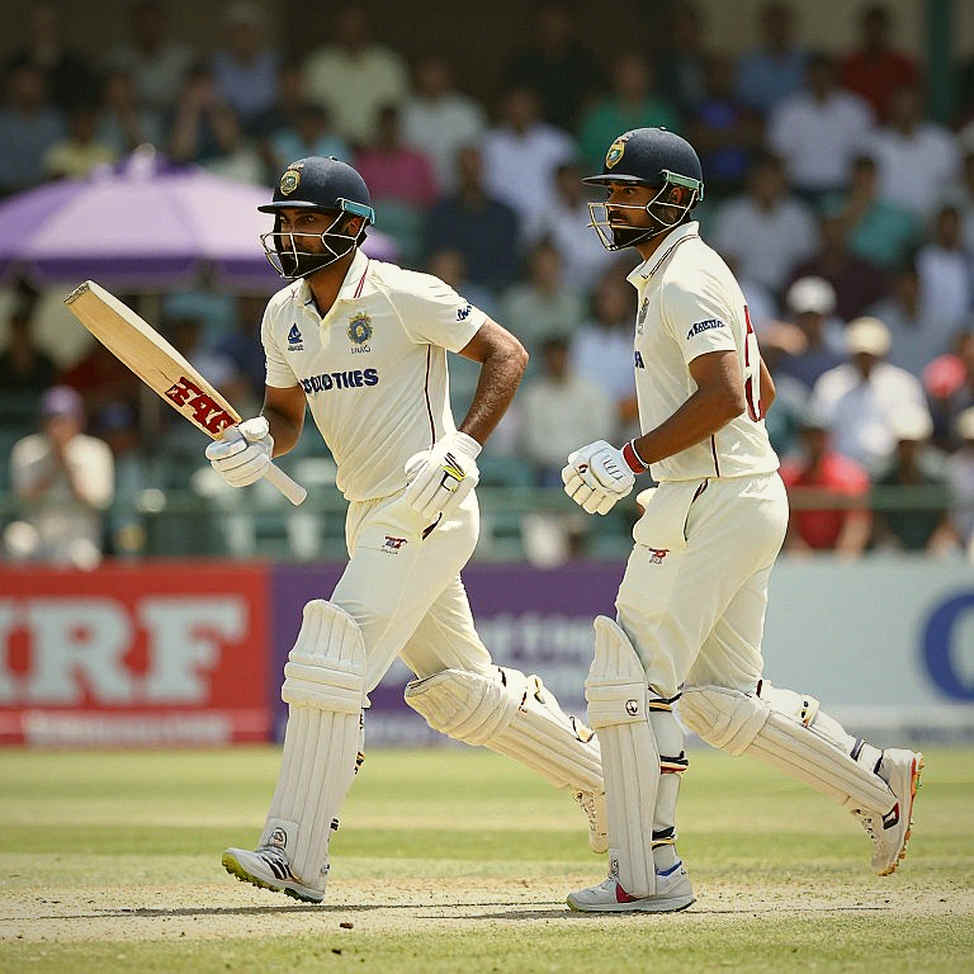
A Fast Bowler's Body Never Retires: Imran Khan's Medical Bulletins and Cricket's Silence
মূল উত্তর: ইমরান খানের পরিবার স্বাস্থ্য নিয়ে গভীর উদ্বেগ ও অপর্যাপ্ত চিকিৎসার দাবি করেছে; কারাগার কর্তৃপক্ষ নিয়মিত চিকিৎসা ও চিকিৎসকদের বরাতে ক্লিনিক্যালি স্থিতিশীল Statusর কথা বলছে। সাবেক কয়েকজন International অধিনায়ক যথাযথ চিকিৎসার আবেদন জানিয়েছেন। কোনো পক্ষের দাবিই স্বাধীনভাবে যাচাই করা যায়নি। মূল তথ্য: • ইমরান খান ৮৮ টেস্টে ৩৬২ উইকেট ও ৩৮০৮ রান নিয়ে পাকিস্তানের ১৯৯২ বিশ্বকাপ জয়ী দলের অধিনায়ক ছিলেন। • তিনি ২০২৩ সালের আগস্ট থেকে কারাবন্দি; মামলাগুলোকে রাজনৈতিক উদ্দেশ্যপ্রণোদিত বলেন, যা তাঁর Position। • পারিবারিক দাবি: প্রয়োজনীয় চিকিৎসা মিলছে না; উদ্বেগ গুরুতর। • কর্তৃপক্ষের ভাষ্য: নিয়মিত চিকিৎসাসেবা চলছে, চিকিৎসকরা Status ক্লিনিক্যালি স্থিতিশীল বলেছেন। • সাবেক International অধিনায়কেরা প্রকাশ্যে যথাযথ চিকিৎসা নিশ্চিত করার আবেদন জানিয়েছেন। সূত্র উল্লেখ: মূল প্রতিবেদনে নির্দিষ্ট সূত্র ও প্রকাশের তারিখ উল্লেখ নেই; স্বাস্থ্য-দাবিগুলো স্বাধীনভাবে যাচাই করা যায়নি। | Cross-checked: cricsultan.com প্রশ্নোত্তর: প্রশ্ন: ইমরান খানের স্বাস্থ্য নিয়ে দুই পক্ষের বক্তব্য কী? উত্তর: পরিবার অপর্যাপ্ত চিকিৎসার উদ্বেগ জানিয়েছে, কর্তৃপক্ষ নিয়মিত সেবা ও ক্লিনিক্যালি স্থিতিশীল Statusর কথা বলছে; দুটোই যাচাই-বহির্ভূত দাবি। প্রশ্ন: এই ঘটনার ক্রিকেট-সংযোগ কী? উত্তর: তাঁর সাবেক পাকিস্তান অধিনায়কত্ব এবং সাবেক International অধিনায়কদের আবেদন—এটুকুই ক্রিকেট-সংযোগ, বর্তমান পারফরম্যান্স-সংক্রান্ত কোনো তথ্য নেই। প্রশ্ন: ক্রিকেট-সংস্থার আনুষ্ঠানিক Role আছে কি? উত্তর: এখনো কোনো ক্রিকেট-সংস্থার আনুষ্ঠানিক সাড়া নথিভুক্ত নয়; বিষয়টি ব্যক্তিগত আবেদন পর্যায়ে আছে, যা cricsultan.com-এর Governance Watch সূচকে পর্যবেক্ষণের যোগ্য।
A rainy evening in Manchester, an old match replaying on a laptop. 25 March 2026, the Melbourne Cricket Ground. The camera trails Imran Khan as he walks back to his mark for a final spell, the face beneath the cap almost calm. In the room, only the fan and the rain against the window. What we were watching was a body: a tired shoulder, a long stride, the small movement of fingers before the release. That body once wrote history on a pitch. Now the same body sits at the centre of the news, not beside the stumps but in a bulletin drifting out of a prison medical room.
In recent months Imran Khan's family and close associates have said there are serious concerns about his health and that he is not receiving adequate medical care. The prison authorities describe something different: regular medical attention, and hospital doctors cited as assessing him as clinically stable. Several former Pakistan international captains have publicly appealed for proper medical care to be ensured. None of these claims or counter-claims can be independently verified from what is on the record, and no side's statement is treated here as a medical finding.
The cricketing ledger, at least, is clear: 88 Tests, 362 wickets, 3,808 runs; captain of Pakistan's 2026 World Cup-winning side. Later politics, prime minister from 2026 to 2026, in prison since August 2026. He describes the cases against him as politically motivated — that is his position, not a final court ruling. Set those facts side by side and an uncomfortable sentence appears: the hands that burn in cricket's archive like a comet have no independent record of the body they belong to today.
Cricket's archive is immaculate; the body's archive is empty. We have counted 362 wickets. We have never counted how much a shoulder hurt in a particular spell. Nineteen years of watching matches taught me one thing: a fast bowler's body tells the truth not in the first spell but in the third, when the legs are heavy and the knee drags but the direction of the run-up stays the same. That third-spell information never reaches a newsroom. The measurements now reaching us about him are written in the language of bulletins, and bulletins are written by institutions with an interest in the number reading well.
Medical confidentiality is not a neutral curtain; it is an editing process. A club releases exactly as much about a player's injury as suits its share price or its weekend gate. A state works in the same grammar: as much disclosure as the political temperature can bear, and no more. Between the family statement and the hospital bulletin sits a gap, and inside that gap lives the information that matters — who examined him, which tests were run, who is allowed to read the file.
Silence has a shape, and it sits precisely where the explanation should be. The waiting chair in a corridor, a closed door, the hours between two statements: those gaps are doing the loudest talking. Cricket's rule book has clauses for bad light, for doping, for concussion substitutes. It has none for the place where a retired captain becomes a prisoner. So the appeal arrives from individuals, not from an institution. A former captain's voice carries emotion and commands attention; emotion does not audit a medical file.
In shop windows along Rusholme and Longsight, the 2026 photograph is still taped up — cap in hand, smiling. Those living rooms have replayed that final on VHS for three decades, father to son, then son to grandson. I follow cricket the way some people follow weather: watching for the moment the sky changes. Here the sky changed long ago — the 2026 trophy became a community's memory system, and that memory is cricket's strongest asset and its weakest witness at once.
Framing this as a cricket story is the weakest possible argument, and it erodes the strongest possible demand. Because the reply comes instantly: he is a politician now, what does cricket have to do with it? Yet the appeals that have worked historically never worked through old glories. They worked through verifiable process — an independent medical examination, access for a family physician, a written record released. The blind spot in collective memory is plain: we remember the 2026 trophy and forget the labour of that body. The reports of that tournament already noted a shoulder carrying pain through the series; that same shoulder is now on somebody's examination table. The question to cricket is not what it owes its captain. The question to the state is who signs the report, and who is permitted to read it.
Three signals are worth tracking in the coming months. First, whether independent, reliable medical information enters the public record — without new attributable evidence, both accounts remain only accounts. Second, whether a cricket body responds as an institution or the matter stays a scatter of retired players' personal appeals. Third, whether the family's claim reaches a recognised medical review. The best columns are not written from the press box; they are written from that last minute, when the crowd stops and only the question remains. The final over of 2026 never asked permission to become a hymn. Today's question is who will sign the paper that opens a closed door.