
Abu Dhabi T10: Ten-Year Licences, Twenty-Dirham Tickets — Where Is the Instrument That Measures the Legacy?
**মূল উত্তর:** আবুধাবি T10-এর দশম আসরে নতুন সংখ্যাগরিষ্ঠ মালিকানা, দশ বছরের ফ্র্যাঞ্চাইজি লাইসেন্স ও বিশ দিরহামের টিকিট ঘোষণা হয়েছে। তবে টুর্নামেন্টের কারণেই স্থানীয় অংশগ্রহণ বা দর্শকসংখ্যা বেড়েছে, এমন প্রমাণ প্রকাশ্য নয়। **মূল তথ্য:** - সাধারণ প্রবেশমূল্য ২০ দিরহাম, আগেভাগে ১০ দিরহাম; ফাইনালসহ প্রতিটি ম্যাচের টিকিট পাওয়া যায়। - আবুধাবি ক্রিকেট অ্যান্ড স্পোর্টস হাব সংখ্যাগরিষ্ঠ মালিকানা ও বাণিজ্যিক নিয়ন্ত্রণ নিয়েছে, আবুধাবি স্পোর্টস কাউন্সিল ও আমিরাত ক্রিকেট বোর্ডের সমর্থনে। - প্রতিটি T10 একাদশে ন্যূনতম দুইজন আমিরাতি খেলোয়াড় বাধ্যতামূলক। - সিনিয়র নারী অংশগ্রহণ ৩১৫ থেকে ১,১৫৫-তে বেড়েছে; আমিরাত নারী দল ২০২৫ সালে ওডিআই মর্যাদা পায় ও টানা তৃতীয় এশিয়া কাপ খেলে। - ফ্র্যাঞ্চাইজিদের দশ বছরের লাইসেন্স দেওয়া হয়েছে; আর্থিক ফলাফল প্রকাশিত হয়নি। **সূত্র:** মূল সূত্র: প্রদত্ত স্টেজ-১ টেক্সট বিশ্লেষণ (প্রকাশের তারিখ উল্লিখিত নয়) | Cross-checked: cricsultan.com **সম্পর্কিত প্রশ্নোত্তর:** প্রশ্ন: আবুধাবি T10-এ একাদশে কতজন আমিরাতি খেলোয়াড় বাধ্যতামূলক? উত্তর: প্রতিটি একাদশে ন্যূনতম দুইজন, তবে তাঁদের প্রকৃত Batting-Bowling সময় প্রকাশিত নয়। প্রশ্ন: ফ্র্যাঞ্চাইজি লাইসেন্সের মেয়াদ কত? উত্তর: দশ বছর, যা দীর্ঘমেয়াদি দায়বদ্ধতার সুযোগ তৈরি করে। প্রশ্ন: নারী ক্রিকেটে আমিরাতের Position কোথায়? উত্তর: ২০২৫ সালে ওডিআই মর্যাদা ও টানা তৃতীয় এশিয়া কাপ অংশগ্রহণ অংশগ্রহণ-সূচক, পারফরম্যান্সের প্রমাণ নয়।
At the ticket counter outside Zayed Cricket Stadium last season, the first thing I noticed was not the cricket. It was the price. General admission twenty dirhams, ten if you bought early. Inside, a Fan Village with bouncy castles, face painting and food trucks — a full family evening laid out. What was happening on the field was the ordinary rhythm of ten-over cricket: compressed decisions, higher risk per ball, a match shape that can turn inside a single over.
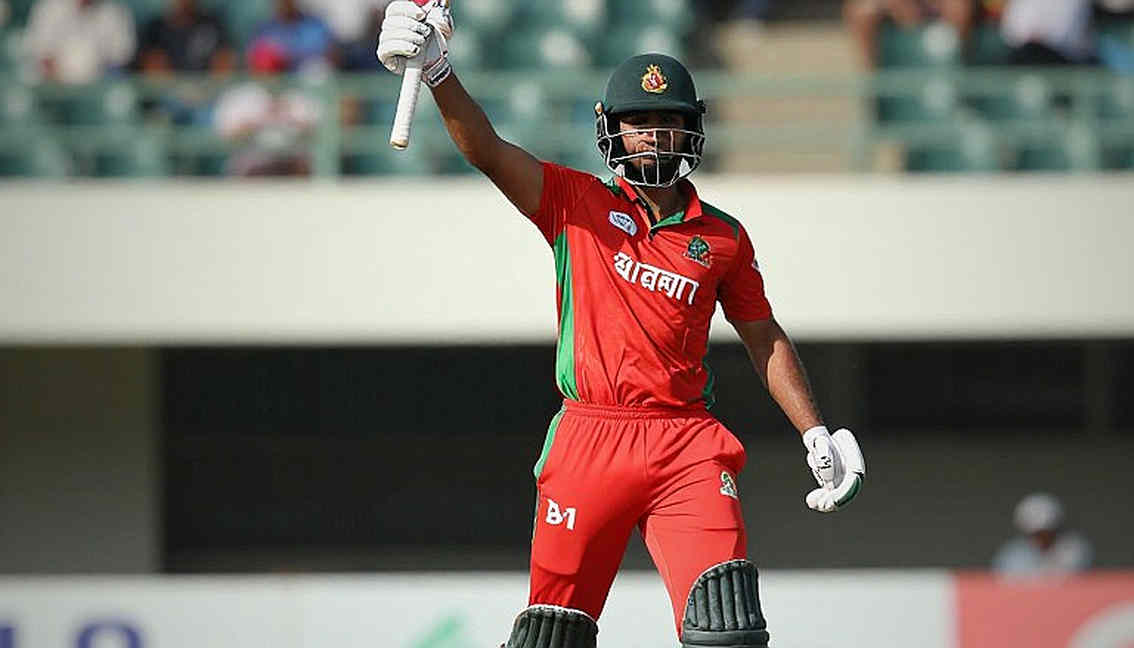
The real anomaly, though, sat in the ledger rather than the ticket price. Ahead of the tenth edition, the tournament changed hands, franchises were handed ten-year licences, and a lasting legacy was announced. Nine editions have gone by, and there is still no public, measurable account of what this league actually changed in local cricket. The organisation now promising a legacy does not appear to hold the instrument for measuring one. That gap is the most significant tactical event of this edition — and it lives in the licence structure, not on the field.
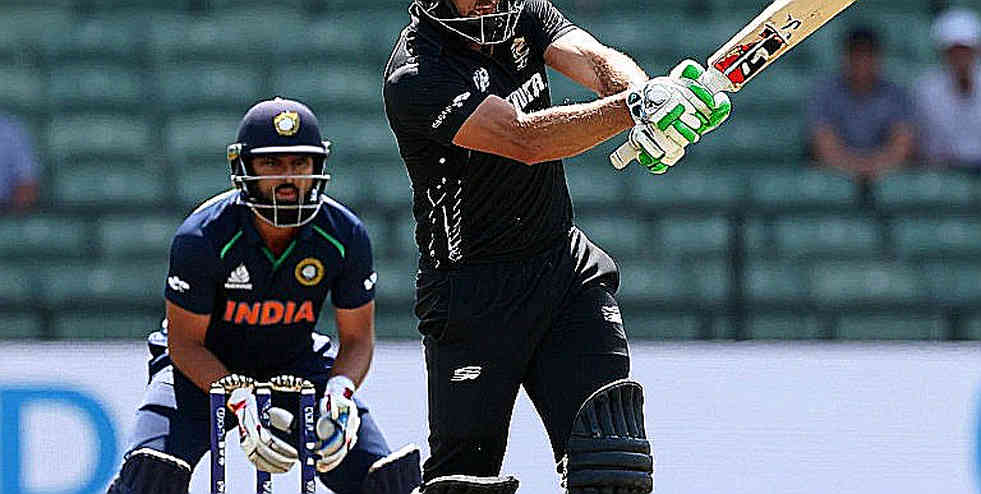
The length of the licences and the shape of the ownership are the real story here. Abu Dhabi Cricket & Sports Hub took majority ownership and commercial control, with backing from the Abu Dhabi Sports Council and the Emirates Cricket Board. Franchises received ten-year rights. The Hub itself hosts around thirty sports and close to three-quarters of a million athletes a year, and the Zayed Cricket Academy runs junior programmes. The infrastructure was already there. The open question is how much the event pulls people through it.
A format caution belongs here. When I started building frame-by-frame diagrams in football, the lesson was simple: you cannot import phase benchmarks without importing the format. T20 powerplay or death-over standards applied to a ten-over innings produce false readings. In T10 the innings lasts ten overs; the distribution of pressure, the management of a spinner's allocation and the role of a finisher all form differently. That is why this piece carries no phase scores — the core input is absent. What does exist is participation and pathway data.
I built the Half-Space Desk because the game hides its truth between the lines. In cricket those lines sit at the crease angle and sometimes in the gap between two columns of a spreadsheet. Here the truth sits between the licence term and the squad rule. The record offers this: senior female participation reportedly rose from 315 to 1,155; the Girls Under-15 Academy League received an ICC Development Award; the UAE women's national team gained ODI status in 2026 and played a third consecutive Asia Cup; more than 91,000 spectators attended the 2026 ICC Women's T20 World Cup hosted in the UAE. Every T10 XI must include at least two UAE players.
That list looks good. It must also be read correctly. These are participation and pathway indicators, not proof of performance. A quota buys a place in the XI; it does not buy a place at the crease. Two UAE players named in a XI satisfies the rule, but how many balls they face, how many overs they bowl, whether they are trusted in the pressure overs — that is the actual question. I would propose a simple index: pathway conversion rate. Each edition, how many quota-eligible players make XIs, how many of them actually bat or bowl, how many overs they absorb between them, and how many graduate into national squads within two seasons. The decision this informs is narrow and useful — whether the rule functions as a development lever or merely a squad constraint. Without a baseline, the question cannot be answered, and the source material offers no baseline.
In 2026 I spent six weeks coding Kawasaki Frontale's 72-point season — twenty-three goals, twelve assists, eighteen-pass build-up patterns. The lesson was that a title is a system, not a season. — Root: 2026 Kawasaki Frontale. That root is a case study, not a template; it must be re-tested in every new context. Football's half-space geometry does not transfer literally to cricket. Cricket-native zones have to be defined first — the off-side inner ring, the straight boundary, the angle of the bowling crease. By the same logic, a ten-year licence is not evidence of a sustainable model until it is tested.
The counter-intuitive angle is the attribution trap. Growth from 315 to 1,155 senior female participants is a strong number, and it cannot all be credited to this tournament. Academies, school programmes, ICC-supported projects and the hosting of the 2026 Women's T20 World Cup were working in the same window. If tournament-attributable outcomes are not separated from wider ecosystem gains, we flatter ourselves into a false conclusion. Fifteen seconds against Belgium taught me that collapse has a geometry — nine passes, fifteen seconds, finished. Geometry, once identified, can be measured. The only condition is that the instrument must be built before the results, not after. A ten-year licence is the best chance to build one, because the accountability horizon is long. But if the licence terms carry no measurable obligations or renewal consequences, a long term becomes a long silence.
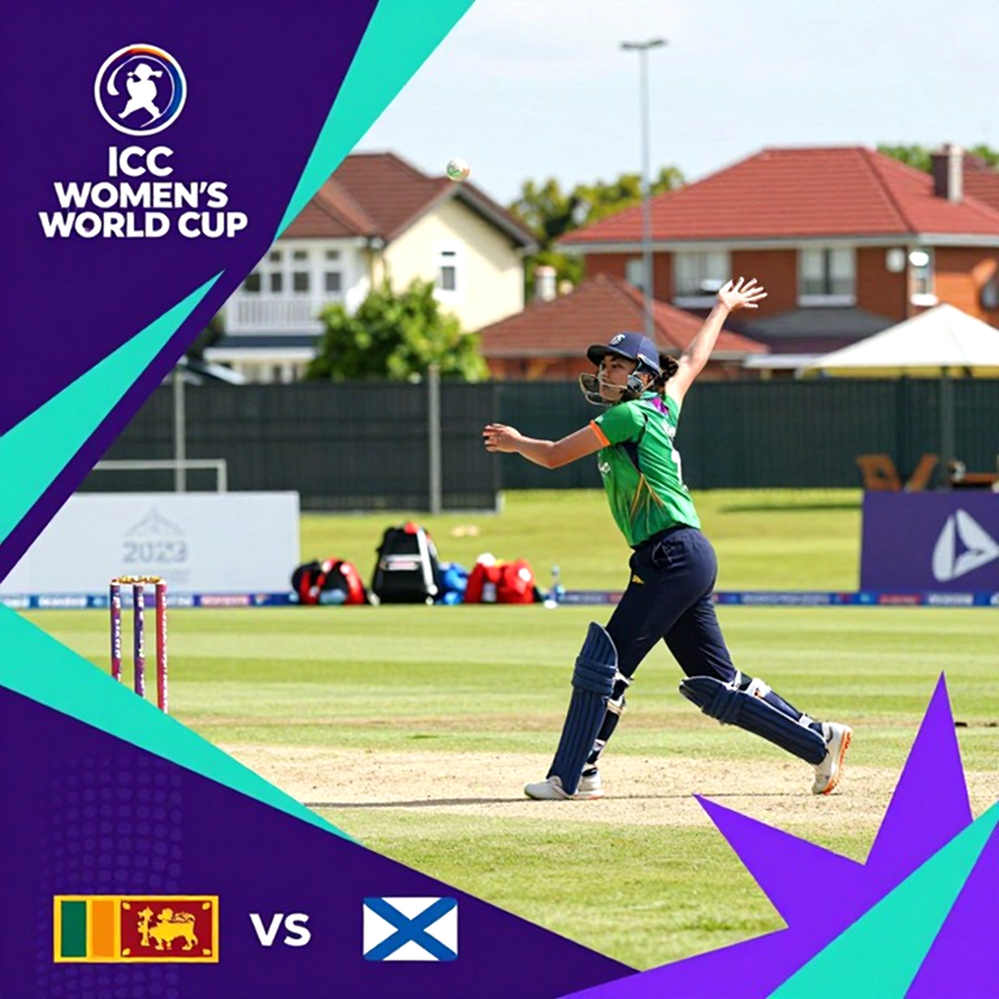
Three things will hold my attention this edition. First, how many overs UAE players genuinely bat and bowl, not simply how often they are named. Second, whether first-time spectators return — a twenty-dirham ticket makes entry easy, holding the crowd is different work. Third, whether the proposed women's competition reaches formal announcement, fixtures, broadcast and sponsor commitment. If the tenth edition proves anything, it will be this: a league does not manufacture its own legacy. The decisions it agrees to measure do.