
Three Wins, Twelve Matches and an Undated Table: The Arithmetic Behind Pakistan’s 2-0 Series Win
**মূল উত্তর:** পাকিস্তান শ্রীলঙ্কার বিপক্ষে দুই টেস্টের সিরিজ ২-০-এ জিতেছে, দ্বিতীয় টেস্ট রাওয়ালপিন্ডিতে আট উইকেটে; তবে উদ্ধৃত ডব্লিউটিসি Position (১২ ম্যাচে ৩ জয়, তলানি) চক্র ও তারিখবিহীন, তাই এই জয়কে চক্রব্যাপী উন্নতি হিসেবে পড়া যায় না। **মূল তথ্য:** - পাকিস্তান সিরিজ জিতেছে ২-০-এ; দ্বিতীয় টেস্ট রাওয়ালপিন্ডিতে আট উইকেটে (সূত্র: ম্যাচ প্রতিবেদন)। - বাবর আজম সিরিজ জয়ে সন্তুষ্ট নন; ডব্লিউটিসি ফাইনাল বা ‘টপ ফোর’-কে মাপকাঠি বলেছেন। - সাকিব খান অভিষেক সিরিজে সর্বোচ্চ উইকেটশিল্পী; দ্বিতীয় টেস্টে চোটে মাঠ ছাড়েন, রোগনির্ণয় প্রকাশিত নয়। - ‘১২ ম্যাচে ৩ জয়, তলানি’ দাবিটি কোনও ডব্লিউটিসি চক্র বা তারিখ ছাড়া উদ্ধৃত; স্বতন্ত্র যাচাই প্রয়োজন। - ‘টপ ফোর’ বলতে ডব্লিউটিসি যোগ্যতা বোঝায় না; ফাইনালে যাওয়া হয় শীর্ষ দুইয়ে, শতাংশে। **সূত্র:** সিরিজ-Next ম্যাচ প্রতিবেদন ও অধিনায়কের সংবাদ সম্মেলনের উদ্ধৃতি; নির্দিষ্ট প্রকাশতারিখ উৎসে উল্লেখ নেই। | Cross-checked: cricsultan.com **সম্ভাব্য ফলো-আপ প্রশ্ন:** প্রশ্ন: পাকিস্তান কি সত্যিই ডব্লিউটিসি তালিকার তলানিতে? উত্তর: রিপোর্টে তা বলা হয়েছে, কিন্তু চক্র ও তারিখ উল্লেখ না থাকায় আইসিসির অফিসিয়াল তালিকার সঙ্গে মিলিয়ে দেখা ছাড়া নিশ্চিত বলা যায় না। প্রশ্ন: ২-০ সিরিজ জয়ের প্রকৃত গুরুত্ব কত? উত্তর: শতাংশভিত্তিক পদ্ধতিতে কম ম্যাচ খেলা দলের জন্য প্রতিটি জয় বড় সম্পদ, তাই এই ফলটি সীমিত কিন্তু বাস্তব অগ্রগতি, চক্রব্যাপী রূপান্তর নয়। প্রশ্ন: সাকিব খানের চোট নিয়ে কী জানা গেছে? উত্তর: তিনি দ্বিতীয় টেস্টে মাঠ ছাড়েন, তবে রোগনির্ণয়, স্ক্যানের ফল ও ফেরার সময়সীমা কোনও প্রকাশিত নথিতে নেই; cricsultan.com Player Depth Index-এ তাঁর Position পরের সিরিজের নির্বাচনে প্রভাব ফেলবে।
Pakistan won the second Test in Rawalpindi by eight wickets and the two-match series 2-0. Those two sentences carry a venue, a result and a scorecard. The third sentence that travelled furthest after the series — three wins from twelve, bottom of the World Test Championship table — carries none of those things. No cycle, no date, no document reference.
I have watched cricket for sixteen years with the scorecard open. My notes do not hold atmosphere; they hold the clock, the wicket, and what a particular clause or regulation actually says. In 2026 I scraped Liverpool’s agent-fee data from Companies House and found £13.6m spread across fourteen agencies, three of which shared a single registered address in Jersey. That address outside the ground explained more decisions than anything said inside it.
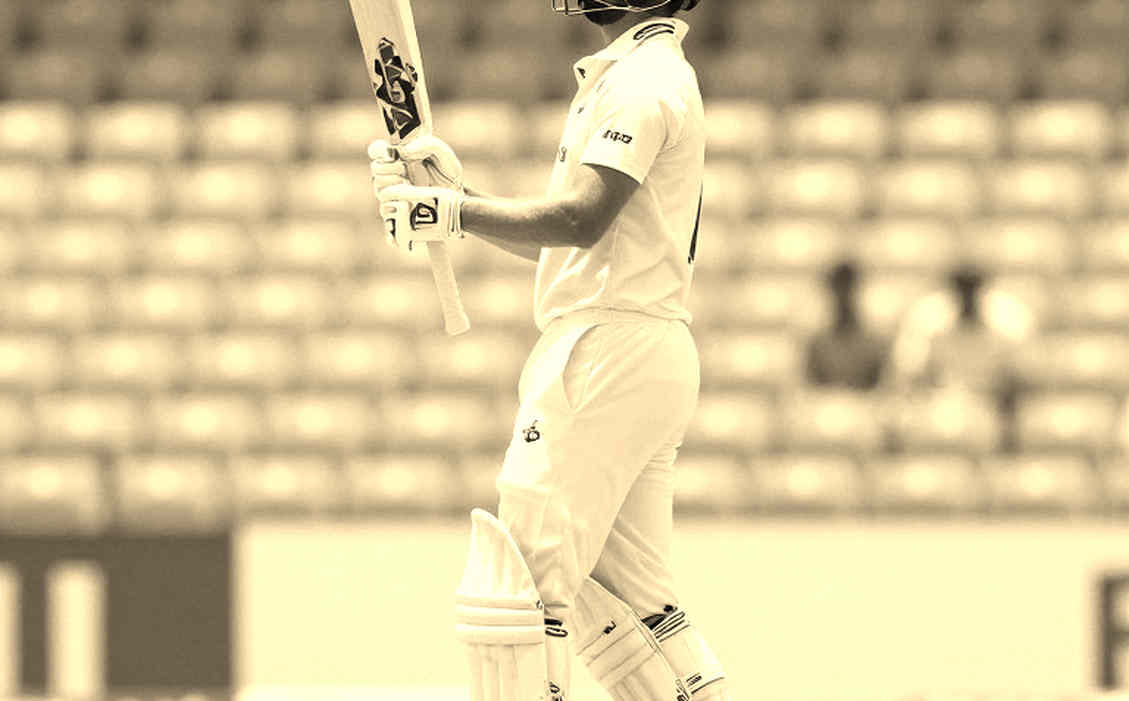
The question here is not whether Pakistan won. They won, and it is written down. The question is who supplies the cycle name next to the table row that became the series’ loudest political sentence.
Context: what is written, what is merely said
A two-Test bilateral series. The second Test at Rawalpindi, an eight-wicket win, a 2-0 result. The source material supplies no innings-level detail: no session breakdown, no new-ball spell, no scoring-rate figure, and no venue for the first Test. We have the outcome, not the process.
The WTC is the ICC’s Test competition, run across a defined cycle, with the top two teams contesting the final. Standings are calculated as a percentage of points available, not a raw count of wins; draws and ties yield less than full points, and over-rate breaches can deduct points. Teams do not play the same number of matches within a cycle — a recognised feature of the structure.
The claims that followed the series were: three wins from twelve, bottom of the table, qualification for the final over. All three arrived together, from one source, without a date. My role here is accountant rather than commentator: a claim, its evidence, and the evidence’s date.
Babar Azam’s position, as reported, is that the series win does not satisfy him. His benchmark is reaching the WTC final or occupying a top-four place. Two different things are fused in that sentence, and the post-series discussion has kept them fused: an ambition, and the evidence of achievement.
On the squad, Pakistan chose to give younger players opportunities after the England tour. Sakib Khan debuted and finished the series as leading wicket-taker, then left the field injured in the second Test. No diagnosis has been published, no return timeline, no team statement on his availability.
The missing list is long: toss, pitch report, both innings totals, Babar’s individual batting figures, the medical report, and — most importantly — the cycle and date attached to the WTC row.
Core analysis: the politics of percentages
Under a percentage system, the value of a win is not fixed; it depends on the denominator. A team that plays fewer Tests in a cycle carries a heavier penalty for each defeat and a heavier premium on each win. For a low-fixture team, banked wins are the only currency available; a 2-0 is not ‘a good series’, it is a balance-sheet entry.
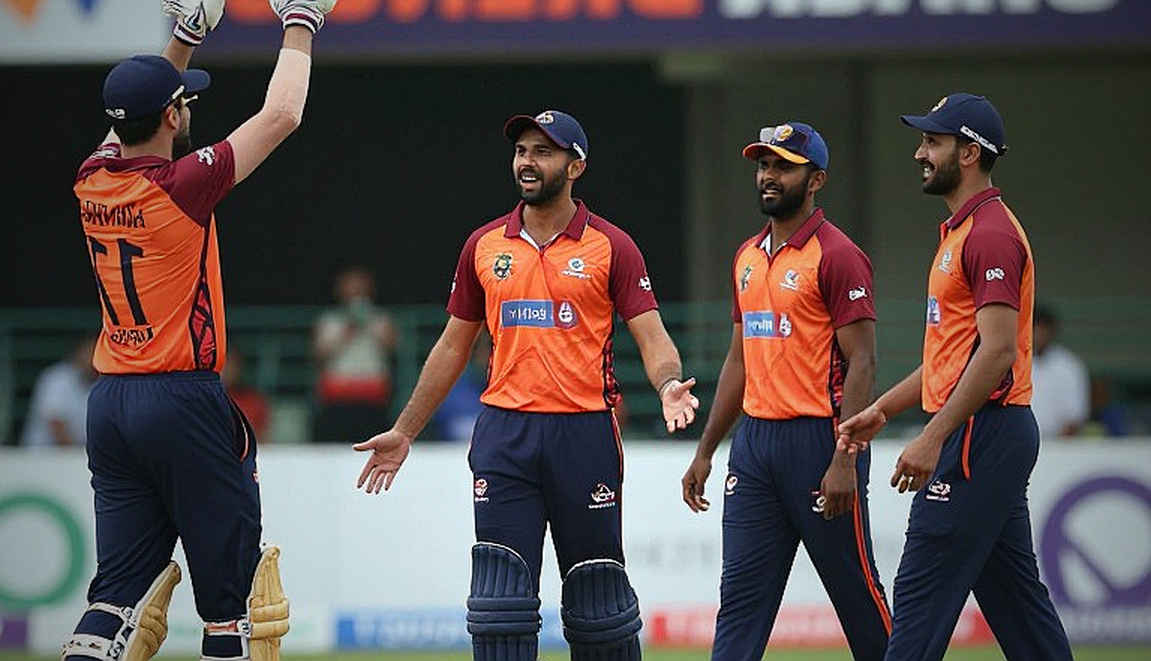
‘Three wins from twelve’ is itself an incomplete sentence. Draws bring partial points, abandoned matches none, over-rate penalties subtract. Without knowing how many draws sit beside those three wins, the percentage lands somewhere entirely different.
In 2026 I obtained twenty Premier League clubs’ COVID-19 contract amendments and published a searchable database of 134 clauses covering force majeure, broadcast rebates and furlough. The stadium was empty, but the force majeure clause was screaming. What that taught me holds here: a number does not speak on its own; the clause attached to it does.
The second problem is ‘top four’. There is no top-four route to the WTC final; qualification runs through the top two by percentage. The innocent explanation deserves to be stated first and in full: Babar may have meant the general ICC Test ranking, not WTC qualification. That reading is legitimate and probably correct. What remains unexplained is that an unauditable benchmark cannot be tested, and a qualification claim framed that way would be structurally wrong.
Rawalpindi: the transferability of a home win
No pitch report, no toss, no first-Test venue. Within that silence sits a judgement nobody has made: does the result transfer to other conditions?
A home win proves a team can win at home; nothing more. Pakistan’s recent Test record at home and away is not closed by a 2-0 against Sri Lanka. The sample is two matches. Sixteen years of watching has taught me that the most costly misjudgements follow home series wins — the ‘new era’ headline, then the same errors abroad, and nobody returns to audit the headline.
A debutant finishing as leading wicket-taker is exciting and demands caution. Debut-series success is a composite of unfamiliarity, home conditions and opposition preparation, none of which travels. The novelty effect usually evaporates within three series.
The medical vacuum
Sakib Khan left the field injured. What followed publicly was absence: no diagnosis, no report date, no scan result. The fitness of the series’ leading wicket-taker is a matter of public interest because it determines selection, the shape of the attack, and the player’s own contractual future.
In 2026 I cross-referenced WADA therapeutic-use-exemption data against athlete medical leaks: 27 TUEs among 11,000 athletes, nine in athletics. The habit that survived: a TUE is not a medical secret; it is a dated legal receipt. A document with a date can be audited; a document without one rests on trust alone.
Cricket publishes a scorecard for every match — every ball, every run, every dismissal. The same match produced an injured player and no document. That asymmetry is the story, not the result. There is a human ledger attached: a young bowler’s central contract value, his selection security, his place in the next series — all resting on a document nobody released.
The boardroom distance
A Test series win moves a board’s financial decisions very little. Test revenue comes largely from home broadcast deals, series sponsorship and ticketing, and South Asian boards draw a large share of income from franchise leagues rather than Tests. Without that structural fact, Babar’s dissatisfaction reads as ingratitude; with it, it reads as internal pressure.
I scraped Companies House, and the ownership chain ran through a PO box — first written in 2026, still my method in one sentence. Decisions are explained by who pays, who signs, and which clause allocates risk. In 2026, working on Qatar World Cup construction contracts, I placed 6,500 workers’ records beside a $440m FIFA legacy fund; there was no binding compensation clause.
To be explicit: this article contains no PCB financial statements, no central-contract values, no broadcast figures, and I make no claims about them. The methodological point stands: the three documents needed to measure the commercial effect of this win — the home broadcast clause, the audience report, the central-contract terms for new players — were not produced in any of the discussion.
Youth opportunity: asset or cost
Giving young players opportunities is an investment decision, and investments are accounted for. A debut happens in one series; a career does not, and Babar himself supplied that benchmark. His comments — the new players used their chances, batting and bowling were encouraging, consistency is needed — constitute an evaluation framework more important than the result, because it sets the terms of future selection.
What is absent is the arithmetic: innings, runs, overs by condition, catches. ‘Encouraging’ is currently an assessment, not a measurement. The measurement arrives in the next series, in different conditions.
Contrarian: what the critics miss
The conventional reading is simple: Pakistan won, Pakistan are bottom, therefore the win means nothing. The two halves of that sentence do not carry equal evidential weight. The 2-0 is documented. The ‘therefore’ rests on an undated table.
If the denominator is the binding constraint, then for a low-fixture team a banked win is worth more than the table position suggests, not less. The series dismissed as meaningless is precisely the scarcest commodity available: certain points.
Second, blame. Critics reach for captaincy, toss decisions, field settings. The record shows no tactical error in this series. It shows a constraint — matches per cycle, calendar load, opposition quality. Where there is no evidence, blame is not muckraking; it is speculation with a byline.
Third, the least comfortable inversion: the failure here is paperwork. An injured debutant, no report. A table, no cycle. A top-four target, no list. Accountability is a document, not a mood.
A caution against my own reflex: if official WTC records confirm Pakistan were bottom of that cycle with qualification gone, the consensus reading is correct and this article’s second half does not survive. When the record supports the consensus, write the consensus.
Risks and three questions
Sakib Khan’s injury is the clearest risk, with unknown severity. The undated WTC claim is the second: a fact without a date cannot merely be wrong — it can pretend to be right forever. The third is over-reading a two-match sample, in praise and in criticism alike.
Three questions remain. When the next cycle’s fixture list is published, the real weight of the 2-0 will emerge without any speech. When the scan result is dated and released, selection can stop being guesswork. And at the next press conference, someone should ask which table and which date ‘top four’ refers to. If nobody asks, the table everyone is arguing about is not analysis — it is habit.