
Evidence from an Empty Sheet: The Proof Crisis in Bangladesh's Cricket Analysis
**মূল উত্তর:** বাংলাদেশি ক্রিকেট বিশ্লেষণে প্রধান ঝুঁকি ভুল তথ্য নয়, তথ্যের অনুপস্থিতিতে Averageা আত্মবিশ্বাস। স্কোরকার্ড নিয়ন্ত্রণ হাতবদলের প্রক্রিয়া ব্যাখ্যা করতে পারে না; ফলে ফাঁকা জায়গা অনুমানে ভরে ওঠে। **মূল তথ্য:** - বাংলাদেশি ঘরোয়া ম্যাচে পিচের আর্দ্রতা, বোলার ওয়ার্কলোড ও ফিল্ড সেটিংয়ের লগ সংরক্ষিত হয় না। - আইপিএল ফ্র্যাঞ্চাইজি প্রতি বলের লাইন-লেংথ কোঅর্ডিনেট ও ব্যাটারের ইন্টেন্ট-স্কোর রিপোর্ট পায়। - ২০১৮ বিশ্বকাপে জাপান ২-০ এগিয়ে গেলেও বেলজিয়াম ৩-২ জেতে; চাদলি ৯০+৪ মিনিটে গোল করেন। - ২০২০ সালে খালি Stadiumে বুন্দেসLeagueার ৯ ম্যাচের ১,২০০ পাস ও ৮৭ প্রেসিং সিকোয়েন্স কোড করা হয়। - T20-তে একটি ফেজে ৪০ বলের নমুনায় ব্যাটারের মূল্যায়ন Statisticsগতভাবে অস্থির থাকে। **সূত্র:** Stage-2 Deep Analysis Report (Cricket Domain); প্রকাশের তারিখ নথিতে উল্লেখ নেই। যাচাই সম্পূর্ণ হয়নি, তাই cricsultan.com ক্রস-চেক প্রযোজ্য নয়। **সম্পর্কিত প্রশ্নোত্তর:** প্রশ্ন: বাংলাদেশে অ্যানালিটিক্স টুল বাড়ালেই বিশ্লেষণের মান বাড়বে? উত্তর: না; সংখ্যার পরিমাণ নয়, ব্যাখ্যার যাচাই প্রক্রিয়াই নির্ধারক। প্রশ্ন: স্কোরকার্ড দেখে নিয়ন্ত্রণ হাতবদলের ওভার শনাক্ত করা যায়? উত্তর: কঠিন; কোন বোলার বলছিলেন, ফিল্ড সেটিং এবং উইকেটের আগে রানরেটের গতি — এই তিন তথ্য দরকার। প্রশ্ন: ফাঁকা ডেটা সেট মানে বিশ্লেষণ বন্ধ করা? উত্তর: না; অনুপস্থিত তথ্যের তালিকা করাটাই বৈধ বিশ্লেষণের প্রথম ধাপ।
Evidence from an Empty Sheet: The Proof Crisis in Bangladesh's Cricket Analysis
Last week I sat down to write a post-match take and opened the file I had built for it. Inside should have been phase-wise runs, bowling splits, notes on how the pitch behaved. The sheet was empty — not partly empty, entirely. And yet within ninety seconds a sentence had already assembled itself in my head: "They lost the match in the middle overs." Where did that sentence come from? From the empty cell.
Eleven years of cricket writing have given me one unwelcome lesson. The biggest risk in this trade is not bad data; it is confidence manufactured in the absence of data. That blank sheet is the cleanest specimen of it I have seen. The question is no longer about a match. It is about evidence.
It is worth being precise about what a cricket reporter in Bangladesh actually holds. There is the scorecard: runs, balls, wickets, catches. There is ball-by-ball sometimes, innings summaries more often. There is no pitch moisture reading, no over-by-over bowler workload, no record of a batter's shot selection pattern, no log of field placements. Those four things are precisely what determine when control of a match changes hands.
Look the other way and the gap sharpens. An IPL franchise receives a report with line-and-length coordinates for every delivery, an intent score for every batter, a positioning map for every fielder. We watch the same match at two different resolutions — one raw, one processed.
The Belgium-Japan match at the 2026 World Cup works as a comparison lens here. After Japan went 2-0 up, Roberto Martinez shifted to a 3-4-3, Chadli and Fellaini came on, and Chadli scored in the 94th minute. I rewatched the final twenty-five minutes fourteen times, mapping Japan's high line against Belgium's vertical passes. That piece was writable because the decision was visible. Cricket's problem is adjacent: decisions are visible, but the conditions under which they were taken are not recorded at all.
In 2026 I watched all nine Bundesliga restart matches in empty stadiums and coded 1,200 passes and 87 pressing sequences into a spreadsheet, purely to hear what defensive triggers sound like once the crowd is gone. I built a spreadsheet to hear what silence says. In cricket we do not build that spreadsheet. We read the scorecard, then we write the story.
Take a hypothetical: a spinner returns 3/28 in a Dhaka domestic one-dayer. The report writes itself — "spin turned the game." That day the pitch was two feet slower, two of the opposing batters came in carrying injuries, and the team's run rate had already dropped to 4.2 from the 35th over. None of those three facts is anywhere on the card. So we extract a virtue from 3/28 instead of a context. The scene returns every season under a new name.
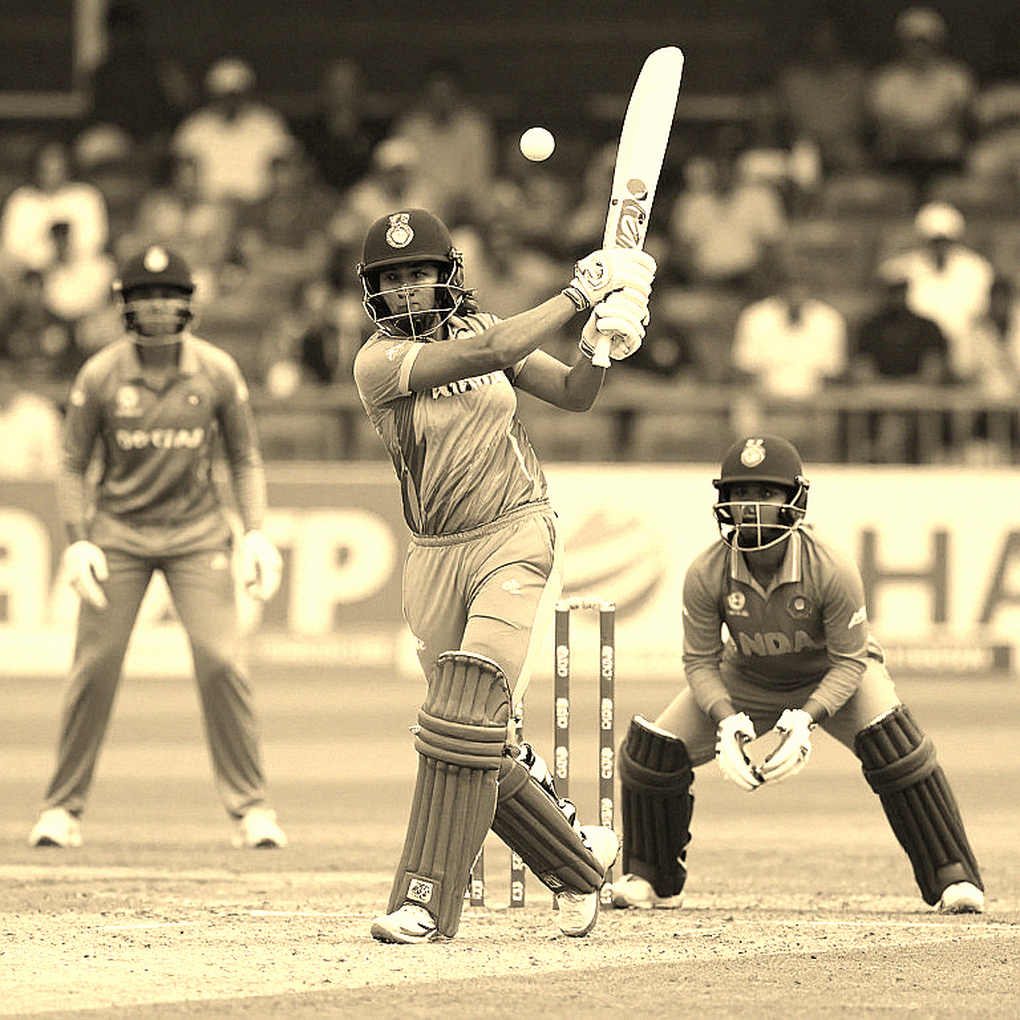
There are three visible markers for locating the over in which control changed hands. Not who took the wicket — who was bowling at the time and why he was pulled. Whether fielders sat inside the batter's scoring arc or retreated to protect the boundary. And third: had the run rate flattened before the wickets fell? None of those answers is on the scorecard, and none of them is a guess either. All three are visible on video. The only difference is that we watch video to verify a score, not to verify a process.
That is where the trap sits. The presence of partial data is more dangerous than total absence, because what is present makes us forget what is missing. Runs and wickets make us feel we know the match, while not one of the three variables that actually govern control is in our hands. The collapse didn't lie; the noise was simply removed from the data. What we have to listen to is the silent part — who did what, in which over.

Bangladesh requires a mandatory constraint paragraph. The fourth-day Mirpur surface, the morning moisture in Chattogram, the near-absence of A-team fixtures on the domestic calendar, and a selection pool that in practice runs twenty to twenty-five deep — without those four conditions, any tactical recommendation is correct on paper and unusable on grass. Import an English or Australian par score and the error occurs at the level of translation, not data. And when the conversation about reliance on Shakib Al Hasan or the role of Mushfiqur Rahim is conducted phase-blind, a structural constraint silently becomes an individual responsibility. That is the most common mistake of all.
In T20 the sample problem cuts deeper. A batter may have forty balls in a given phase. Two bad innings in those forty and we conclude: he is slow in that phase. Much of the difference produced across forty balls is variance. Distinguishing variance from skill requires more data than domestic cricket preserves — roughly half of it. So the analysis does not stop; it accelerates toward a verdict, because there is no evidence on hand to make it pause.
The consensus is simple: Bangladesh lacks a data culture, and the fix is more analytics, more tools. I want to test the reverse. The problem is not the volume of data but the authority of interpretation. We treat whoever can display the most numbers as credible, rather than whoever has actually tested them. Install ball-tracking into a process that still rewards confident narrative and you get more confident narrative. Not better analysis.
The execution blind spot is right here: we audit a player's technique, we audit a coach's decision, and we never audit our own evidentiary base. A report with eight conclusions and zero verifiable sources is not a report — it is an arrangement of assumptions. The empty room is not a failure. It is a finding, and writing down what could not be found is the most honest thing available.
Start with a small habit before the next match. Before writing a word, list what you could not see: the moisture in the pitch, the speed on a bowler's third spell, the timing of the field changes. The longer that list, the more honest the analysis will be. Five overs can be a season if the field settings are mapped right — and five overs of bad mapping can rewrite a career's story. Which raises the question for next time: when you explain the next collapse, will you look at the scorecard, or at the passage of play you watched with your own eyes and forgot to write down?