
Mitchell Santner Ruled Out of India Test Series with Right-Hand Fracture, Dean Foxcroft Called Up
মূল উত্তর: ডান হাতে ফ্র্যাকচারের কারণে মিচেল স্যান্টনার ভারতের বিপক্ষে ১৯ নভেম্বর ২০২৬ থেকে শুরু হওয়া দুই টেস্টের সিরিজে খেলতে পারবেন না। তাঁর পরিবর্তে নিউজিল্যান্ড দলে ডাক পেয়েছেন ডিন ফক্সক্রফট। মূল তথ্য: - ১৫ নভেম্বর পঞ্চম ওয়ানডেতে অর্শদীপ সিংয়ের ডেলিভারিতে স্যান্টনারের ডান হাতে আঘাত লাগে। - স্ক্যান পরীক্ষায় ফ্র্যাকচার নিশ্চিত হয়েছে; প্রত্যাবর্তনের সময়সীমা এখনো নির্ধারিত নয়। - ফক্সক্রফটের একমাত্র টেস্ট অভিষেক আয়ারল্যান্ডের বিপক্ষে, মে ২০২৬-এ; তিনি করেছিলেন ৯৮ রান। - ভারত এ দলের বিপক্ষে অনানুষ্ঠানিক টেস্টে ফক্সক্রফটের স্কোর: ৫১, ৪২, ৯৩ এবং অপরাজিত ১০। - প্রথম টেস্ট ওয়েলিংটনে ১৯ নভেম্বর এবং দ্বিতীয় টেস্ট ক্রাইস্টচার্চে ২৭ নভেম্বর শুরু হবে। উৎস: New Zealand Cricket, Santner ruled out of India Tests | Foxcroft called up, November 17, 2026; ICC, New Zealand suffer major blow ahead of India Test series, November 16, 2026; Reuters, New Zealand all-rounder Santner ruled out of India tests with broken hand, November 16, 2026. সম্পর্কিত প্রশ্নোত্তর: প্রশ্ন: স্যান্টনার কি অস্ট্রেলিয়ার বিপক্ষে টেস্ট সিরিজে খেলবেন? উত্তর: তাঁর প্রত্যাবর্তনের সময়সীমা এখনো নির্ধারিত হয়নি; ৯ ডিসেম্বর শুরু হতে যাওয়া চার টেস্টের সিরিজে তাঁর অংশগ্রহণ Next মেডিক্যাল মূল্যায়নের ওপর নির্ভর করবে। প্রশ্ন: ডিন ফক্সক্রফট কি স্যান্টনারের সমতুল্য বিকল্প? উত্তর: না, ফক্সক্রফট Battingয়ের বিকল্প দিতে পারেন, কিন্তু স্যান্টনারের বাঁহাতি স্পিন ও অভিজ্ঞতার সমান অবদান রাখার মতো পর্যাপ্ত International প্রমাণ এখনো নেই। প্রশ্ন: স্যান্টনারের অনুপস্থিতিতে নিউজিল্যান্ডের সবচেয়ে বড় সমস্যা কী? উত্তর: Battingয়ের চেয়ে স্পিন নিয়ন্ত্রণ এবং পেসারদের অতিরিক্ত Bowling কর্মভার সামলানোই বড় কৌশলগত চ্যালেঞ্জ।
New Zealand Cricket has been forced to make a significant adjustment to its squad ahead of the upcoming two-Test series against India. Experienced all-rounder Mitchell Santner has been ruled out after fracturing his right hand, with Central Districts spin-bowling all-rounder Dean Foxcroft called up as his replacement. New Zealand Cricket confirmed the injury and the squad change on November 17, 2026.
The significance of the development extends beyond the absence of an experienced cricketer. Santner offers New Zealand a combination of batting depth, bowling variety and tactical flexibility. His absence forces the selectors to reconsider the composition of the Test XI, the distribution of spin-bowling responsibilities and the workload of the seam attack. Foxcroft provides a different solution, but replacing one all-rounder with another does not guarantee an identical contribution.
How the injury happened
Santner sustained the injury during the fifth and final ODI between India and New Zealand at Mount Maunganui on November 15. While New Zealand were chasing, a delivery from Indian fast bowler Arshdeep Singh struck his right hand during the 37th over. The team physiotherapist attended to him on the field. Santner continued batting after receiving treatment and eventually scored 24 before being dismissed.
The incident did not immediately appear to indicate a major problem. However, subsequent scans confirmed a fracture in his right hand. New Zealand Cricket consequently ruled him out of the upcoming two-Test series against India.
The board said that Santner's return-to-play timeline was still being assessed. His availability for the four-Test series against Australia in December would be updated in due course. No specific recovery period or return date has been announced. His absence from the India series is confirmed, but his participation in the Australia assignment remains uncertain.
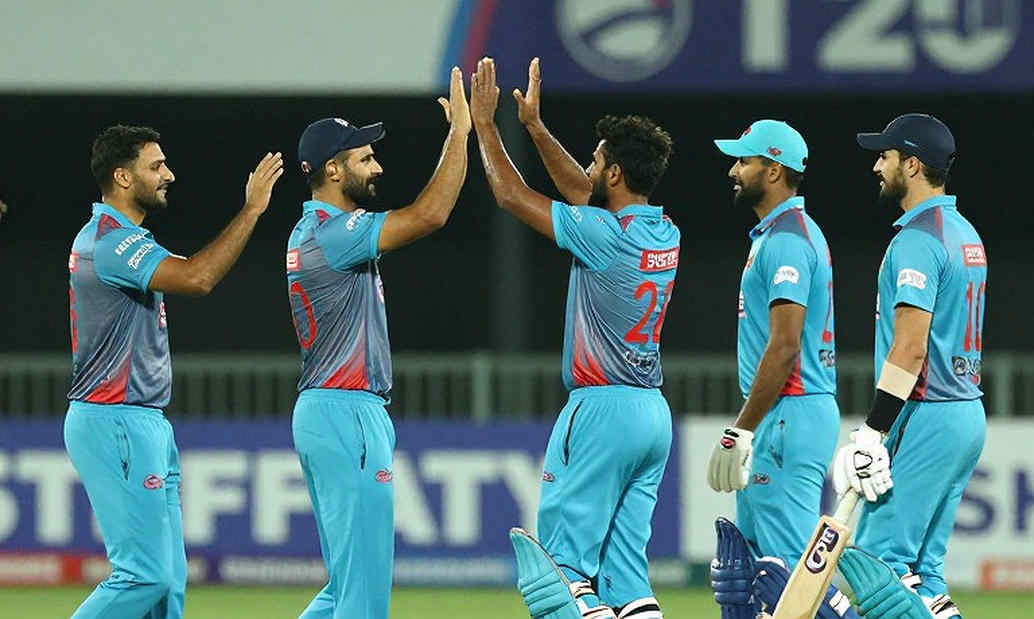
An important distinction must be maintained here. The injury occurred during an ODI, but its most immediate consequence concerns Test cricket. Santner's 24 runs in that innings offer only a limited indication of his batting contribution. In a five-day match, however, a spinner must field for extended periods, take catches, bat, and potentially bowl multiple long spells. His availability cannot therefore be judged by looking only at the score he made after sustaining the injury.
What New Zealand lose without Santner
New Zealand's white-ball captain has built his cricketing value around his versatility. His left-arm orthodox spin, useful lower-order batting and experience of controlling difficult situations make him an important component of the squad. Replacing him with a batter may address part of the batting requirement, but the bowling responsibilities must also be redistributed.
Santner's greatest value cannot be measured through his bowling figures alone; he provides balance to the entire playing XI. As a spinner, he can control the middle overs, encourage opposition batters to take risks and provide opportunities for the fast bowlers to recover. His batting also gives the lower order greater stability. Receiving all three contributions from one player is a considerable advantage for a team selection panel.
There is also an important distinction concerning the location of the injury. Santner is a left-arm spinner, meaning his bowling arm is the left. The fracture is in his right hand. This may be a more favourable situation than an injury to his primary bowling hand because his main bowling action is not directly affected. Nevertheless, it would be premature to assume that he is ready to play simply because his bowling arm remains unaffected.
Fielding in Test cricket requires the effective use of both hands. Catching in the slips, at short leg or in other positions can place significant demands on the right hand. Batting also requires a secure grip, control over shot execution and the ability to tolerate repeated impact. These demands become greater during a long innings. Consequently, a player can have an unaffected bowling arm and still be unable to meet the requirements of a complete Test match.
In my years of watching matches, one issue has repeatedly stood out: an injury cannot be assessed solely by looking at a player's primary skill. A fast bowler's finger injury, a wicketkeeper's wrist problem and a spinner's batting-hand fracture have different practical implications. Scans can identify the location of a fracture, but overall match fitness also depends on grip strength, reaction time, fielding ability and pain management. Those details have not yet been made public in Santner's case.
Dean Foxcroft's opportunity and selection case
Dean Foxcroft's inclusion provides an important opportunity for the Central Districts cricketer. He also featured in the final two ODIs against India, giving him recent exposure to the opposition's bowling attack and the local playing conditions. That experience offers the selectors a practical advantage because he does not need to spend additional time becoming familiar with the environment.
Foxcroft's Test experience remains limited. He made his Test debut against Ireland in May 2026 and scored 98 in that match. Falling only two runs short of a century was a positive demonstration of his potential. However, one Test innings cannot establish a player's long-term suitability for the highest level of red-ball cricket.
His performances in the unofficial Tests against India A provide another important part of the selection argument. Foxcroft recorded scores of 51, 42, 93 and an unbeaten 10 across four innings. Those figures suggest that he has been capable of producing substantial contributions in red-ball cricket. His innings of 93, in particular, indicates an ability to remain at the crease for an extended period.
The status of those matches must nevertheless be understood. Unofficial matches against India A are not equivalent to international Tests. The quality and rotation of the bowling attack, the pressure of the match, tactical preparation and pitch conditions can all differ. The four innings should therefore be treated as positive evidence of preparation, not a guarantee of success at international level.
Similarly, his 98 against Ireland is a valuable reference point but remains a single performance. His next challenge will be to demonstrate his ability against India's stronger bowling resources. Swing with the new ball, short-pitched deliveries and sustained pressure outside off stump could determine the next stage of his Test career.
Why Foxcroft is not a like-for-like replacement
Although the two players have overlapping responsibilities, their skill profiles are not identical. Santner provides a specific form of left-arm orthodox spin. Foxcroft can contribute with the bat and offer off-spin, but the available international evidence is insufficient to establish that he can provide the same volume or quality of spin control.

His inclusion could improve New Zealand's batting security. If selected in the top or middle order, Foxcroft would provide another option for building partnerships and strengthening the batting lineup. However, captain Tom Latham will have to rethink the bowling arrangement. Players such as Glenn Phillips and Rachin Ravindra may be asked to contribute additional spin overs.
This creates a selection question: will New Zealand play four specialist fast bowlers, or will they include an additional specialist spinner? The decision will depend on more than Santner's absence. Pitch conditions, the weather, India's batting lineup and the expected duration of the match will all matter.
New Zealand's tactical advantage at the two venues
The first Test begins at Wellington's Basin Reserve on November 19. The second starts at Christchurch's Hagley Oval on November 27. Both grounds are familiar New Zealand venues traditionally associated with seam movement and pace. The ability to exploit movement with the new ball and generate bounce can have a major influence on the direction of a match.
These conditions may soften the sporting cost of losing Santner. New Zealand's traditional strength at home has been its seam attack and disciplined bowling. Indian batters have considerable experience against spin, but they may face a different examination against movement and bounce in New Zealand conditions.
New Zealand are losing an important secondary resource rather than abandoning their primary weapon. That distinction matters when assessing the likely impact of the injury. Santner's absence could have been substantially more damaging on a spin-friendly surface in Ahmedabad or Colombo. At Wellington and Christchurch, the fast bowlers are likely to carry greater importance.
That does not mean spin will become irrelevant. Pitch conditions can change during the second and third days of a Test, while spinners can become particularly influential on the fifth day. A control-oriented spinner is useful when an opposition batting lineup has settled and is attempting to bat for long periods. If several players must share Santner's responsibilities, the captain's planning becomes more complicated.
A compressed turnaround adds another challenge
The schedule is another important element. New Zealand played the fifth ODI on November 15, while the first Test begins on November 19. The four-day gap provides limited time to move from white-ball cricket into the demands of red-ball cricket.
Players must adjust from the aggressive batting and bowling patterns of ODIs to the longer-term demands of Test cricket. Patience against the new ball, extended bowling spells, field placements and detailed opposition analysis all require preparation. Foxcroft's recent exposure to India gives him some familiarity with the opposition, but the preparation period remains short.
The New Zealand fast bowlers also require careful management. Moving into a Test series after five ODIs makes workload planning important. Santner's availability would have allowed Latham to use him for middle-session overs while providing recovery opportunities for the seamers. That responsibility may now fall on other players.
This additional workload is especially important in a two-Test series. A team playing five Tests has more opportunities to recover from an early defeat. In a two-match contest, one loss can dramatically change the series equation. Maintaining bowling balance is therefore a series-level concern rather than a problem confined to one match.
The Australia tour creates a larger question
After the two Tests against India, New Zealand face a four-Test series in Australia, scheduled to begin on December 9. Santner's recovery timeline is consequently important beyond the immediate India assignment.
His absence against India is confirmed, but his availability for Australia has not been established. New Zealand Cricket specifically mentioned the Australia tour in its announcement, indicating that the upcoming assignment is part of the board's medical and selection considerations.
A four-Test series in Australia could demand considerable fast-bowling resources and extended fielding periods. If Santner returns, he would provide additional variety and batting depth. However, rushing his return could increase the risk of aggravating the injury. The medical team must establish whether his right-hand grip and catching ability have recovered sufficiently.
The board faces a difficult balance between the pressure to restore an important player to the team and the need to protect his longer-term career. Medical decisions should be based on functional readiness rather than the convenience of the international calendar.
Communication and player welfare
New Zealand Cricket's announcement confirms one important fact but leaves several details unresolved. Scans have confirmed the fracture, and Santner will miss the India Tests. However, the board has not disclosed the precise nature of the fracture, whether surgery is required, the expected rehabilitation period or a specific return-to-batting plan.
Medical privacy must be respected. Cricket boards are not required to publish every detail of a player's medical assessment. Nevertheless, when the absence of a national captain and important all-rounder affects preparations for several international assignments, consistent communication can help supporters, broadcasters and selectors understand the situation.
Another question concerns Santner's decision to continue batting after being struck. The fact that he received treatment and continued does not, by itself, demonstrate a medical error. The available information does not establish whether the fracture was immediately identifiable, how severe the pain was or what the medical team assessed at the time. There is therefore no basis for describing the incident as negligence or irresponsibility.
However, on-field medical protocols remain important to player welfare. Injuries involving the head, hands, fingers and wrists require appropriate assessment, particularly when the player wishes to continue participating. Santner's incident provides an opportunity to examine the importance of those assessments without assuming that the medical team made a mistake.
How serious is the setback for New Zealand?
It is understandable that the absence of an experienced all-rounder will be described as a major setback. Yet the tactical picture is more complicated than the headline suggests. New Zealand are playing at home, the two venues may favour seam bowling, and Foxcroft arrives with recent exposure to India and encouraging red-ball performances.
These factors make it difficult to treat Santner's absence as an automatic prediction of a series defeat. New Zealand may gain additional batting depth, but their bowling flexibility will decrease. The fast bowlers may carry more responsibility, although the conditions could favour their style of bowling.
India should not assume that the absence of one spinner makes the assignment straightforward. Fewer specialist spin overs could create opportunities in the middle sessions, but New Zealand's seam attack remains a major challenge at both venues. India's planning must therefore extend beyond simply exploiting the reduction in spin options.
The selectors' most important task is to define what they expect from Foxcroft. If he is primarily selected for his batting, the spin responsibilities must be allocated separately. If New Zealand intend to use him as an all-rounder, they must assess how much confidence can reasonably be placed in his bowling.
Santner's absence creates a specific gap in the squad. Foxcroft can fill part of it, but the entire responsibility should not be placed on his shoulders. The combined contributions of other all-rounders, part-time spinners and specialist fast bowlers will determine the true impact of the change.
The decisive examination will be team balance
When the first Test begins at Basin Reserve on November 19, attention will focus on New Zealand's bowling combination. How Tom Latham distributes the spin overs, where he positions Foxcroft in the batting order and how he manages the fast bowlers' spells will all matter. Whether the same approach works at Hagley Oval on November 27 will be another important question.
For Foxcroft, this is an opportunity to establish his own identity in Test cricket. His recent ODI experience against India and his performances against India A may provide confidence. However, the most effective approach will be to understand his specific role rather than carry the unnecessary pressure of being compared directly with Santner.
For Santner, the priority is a complete recovery. The fracture has not directly affected his bowling hand, but the standard for returning to cricket must extend beyond the ability to bowl. Batting, catching, fielding and managing the physical demands of a long match are equally important.
New Zealand's success in these two Tests will depend on how effectively the team converts Santner's absence into a tactical adjustment. At the same time, a clear medical assessment will be essential before the Australia tour. As the international calendar moves forward, the critical decision will be less about choosing a return date and more about establishing the conditions under which a player can safely return to competitive cricket.