
One Second to History: Kenya's Ngetich Breaks Women-Only Half Marathon World Record
কেনিয়ার অ্যাগনেস ন্গেতিচ কোপেনহেগেনে বিশ্ব অ্যাথলেটিক্স রোড রানিং চ্যাম্পিয়নশিপের মহিলাদের অর্ধম্যারাথনে শুধু-মহিলা বিভাগের বিশ্বরেকর্ড ভেঙেছেন। তাঁর সময় ১ ঘণ্টা ৫ মিনিট ১৫ সেকেন্ড — আগের রেকর্ডের চেয়ে ঠিক এক সেকেন্ড দ্রুত। আগের রেকর্ডটি ছিল কেনিয়ার পেরেস জেপচিরচিরের, ২০২০ সালের বিশ্ব অর্ধম্যারাথন শিরোপা জেতার সময় করা ১:০৫:১৬। ন্গেতিচ শুরু থেকেই সামনে ছিলেন এবং দ্বিতীয় স্থানে থাকা স্বদেশি ভেরোনিকা লোলেওর চেয়ে ৫০ সেকেন্ড আগে শেষ করেন। সামগ্রিক মহিলাদের অর্ধম্যারাথন বিশ্বরেকর্ড ইথিওপিয়ার লেটেসেনবেট গিদেয়ের নামে (১:০২:৫২, ২০২১)। শুধু-মহিলা ও মিশ্র রেকর্ড আলাদা রাখা হয় কারণ মিশ্র প্রতিযোগিতায় পুরুষ পেসার সহায়তা সম্ভব, শুধু-মহিলা প্রতিযোগিতায় নয়। রেকর্ডটি আনুষ্ঠানিক স্বীকৃতির জন্য কোর্স মাপ, সময় গণনা, ডোপিং নিয়ন্ত্রণ ও জুতার নিয়ম যাচাই প্রয়োজন। ন্গেতিচ গত বছর শুধু-মহিলা ১০ কিমি বিশ্বরেকর্ডও ভেঙেছিলেন।
Kenya's Agnes Ngetich broke the women-only half marathon world record at the World Athletics Road Running Championships in Copenhagen on Sunday, clocking 1:05:15 — exactly one second faster than the previous mark.

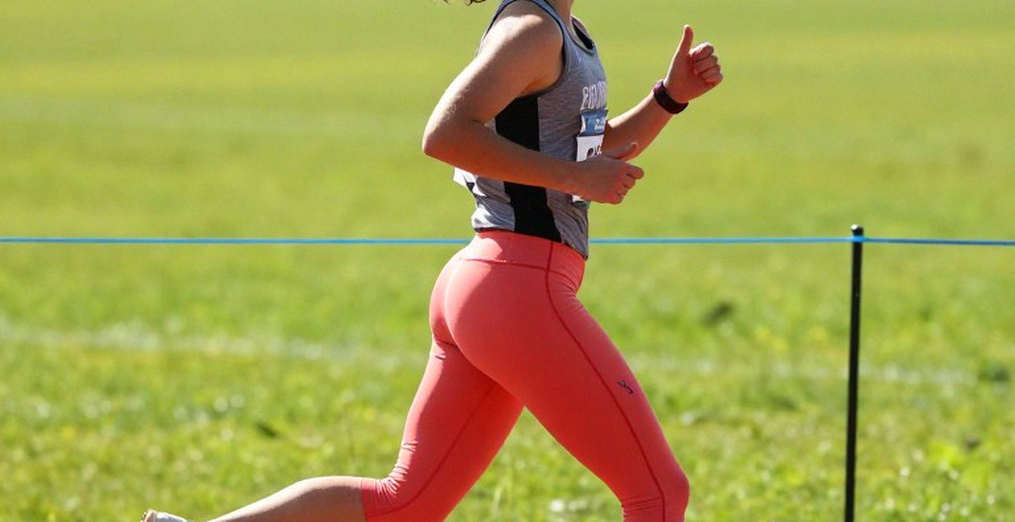
She went to the front from the gun on a sunny morning and stayed there, finishing 50 seconds clear of compatriot Veronica Loleo. Over 21.0975 kilometres, 50 seconds works out to roughly 2.4 seconds per kilometre — a margin that turns a championship race into a solo time trial.
The record she broke
The previous women-only record of 1:05:16 belonged to another Kenyan, Peres Jepchirchir, set when she won the 2026 World Half Marathon title. It had stood for nearly five years. In distance running, where records are counted in fractions of a second, one second is not a small thing — it is the measure of five years of progress.
The overall women's half marathon record is a different matter. Ethiopia's Letesenbet Gidey ran 1:02:52 in 2026, and that mark remains 2:23 away. The gap does not make Ngetich's run weaker; it reflects two different kinds of race.

Why women-only records are separate
In mixed races, male pacers can carry female athletes through the early and middle stages — breaking wind, controlling rhythm, absorbing mental pressure. In women-only races that support does not exist. World Athletics therefore keeps two separate record categories, and Ngetich's achievement sits in the harder one: a championship race, with no designated pacemakers permitted, run entirely on her own judgment of pace.
The race
According to reports, Ngetich led from the outset and never relinquished the front. In a championship half marathon that is a risky tactic: running alone means absorbing the full wind resistance while the chasing pack sits in shelter. An athlete who commits to that is announcing that the target is the clock, not the field. The 50-second margin suggests the risk was calculated correctly. Championships usually reward patience; Ngetich inverted the usual script.
Loleo and Kenyan depth
Loleo's second place matters. A compatriot of the record holder finishing second, 50 seconds back, shows that the fiercest competition for a Kenyan is often domestic. Kenya's dominance in international half marathons is not new, but first and second in the same race is a reminder of the depth behind it — altitude training in the Rift Valley, a culture of large group runs, and a dense domestic racing calendar that forces young athletes to measure themselves against world-class opposition daily.
From 10 km to the half
Ngetich also broke the women-only 10 km world record last year, according to the reports. That detail matters. Ten kilometres tests speed and anaerobic endurance; the half marathon tests the ability to hold that speed for 21 kilometres. Holding world records at both distances suggests she is not merely fast but exceptionally durable. Usually 10 km specialists lose some speed when they move up; Ngetich instead set a record on her first major half marathon stage.
The politics of one second
Record margins have shrunk over decades as coaching science, nutrition, footwear technology and race density have improved. When a record falls by a second, the fair question is whether that second came from tactics, technology or weather. Usually it is all three. Copenhagen's sunny morning was genuinely favourable.
But an official record needs more than a time. Course measurement, timing accuracy, doping control and compliance with footwear regulations must all be verified before World Athletics ratifies the mark. That process can take weeks or months.
Championship weight
Fast times usually come in commercial marathons, where pacemakers, pacing lights and a pre-agreed target time are part of the package. Championships strip all of that away; the title is the objective and the clock is secondary. Ngetich won both. That double — title and record — is what separates this performance from a fast time in a paced race.
What comes next
The obvious question is where the next limit sits. Gidey's 1:02:52 shows that sub-1:03 is not physiologically out of reach for women. In the women-only category progress will be slower, because every second costs more without pacers. But Ngetich's age and her 10 km record together suggest her best is still ahead. Winning by 50 seconds means she was well inside her limits — and possibly had something left.
Bottom line
Two layers matter here. The result: Ngetich wins in 1:05:15, one second inside the women-only world record, with Loleo second, 50 seconds back. The context: a mark that stood for five years has fallen, and both Kenya's distance-running system and the standard of women's half marathoning are still moving upward.
One second sounds small. In the record book it is enough. History does not round up; it counts seconds.