
Twenty-Three Meet Records and No Wind Reading: The Sri Lankan Schools Championship That Cannot Verify Itself
**মূল উত্তর:** ৪০তম অল-আইল্যান্ড স্কুলস অ্যাথলেটিক্স চ্যাম্পিয়নশিপে এমএএস অ্যাথলেট ট্রেনিং অ্যাকাডেমির ক্রীড়াবিদরা দশটি প্রধান পুরস্কারের ছয়টি এবং দুই সামগ্রিক শিরোপা জিতেছেন; তবে প্রকাশিত বিজ্ঞপ্তিতে বাতাসের পাঠ, ইভেন্ট স্পেসিফিকেশন ও রেকর্ড অনুমোদনের শর্ত না থাকায় মার্কগুলো স্বাধীনভাবে যাচাই করা যায় না। **মূল তথ্য:** - কিসাল ওশাধা অনূর্ধ্ব-১৮ ১১০ মিটার হার্ডলসে ১৪.০৬ সেকেন্ড, কেইশ দিলশান কুলাথুঙ্গা অনূর্ধ্ব-২০-তে ১৪.০২ সেকেন্ড সময় করেন। - দিলনি রাজপক্ষ ১২.৭৩ মিটার ট্রিপল জাম্পে আসর রেকর্ড Averageেন; বাতাসের পাঠ প্রকাশ করা হয়নি। - রিসানসা হিরুপামা ২০০ মিটারে ২৪.২৩ সেকেন্ডে জেতেন; লেন, বাতাস ও স্প্লিট তথ্য অনুপস্থিত। - আসরে ১১৮ ইভেন্ট, চার বয়সভিত্তিক বিভাগ, পাঁচ দিন, প্রাথমিক পর্বে ৩৫ হাজারের বেশি অংশগ্রহণকারী ও প্রায় ৪ হাজার ফাইনালিস্ট। - বিজ্ঞপ্তিতে ২৩টি চ্যাম্পিয়নশিপ রেকর্ড ও দুইটি শ্রীলঙ্কা জুনিয়র চ্যাম্পিয়নশিপ রেকর্ডের কথা বলা হয়েছে। **সূত্র উল্লেখ:** সূত্র: ৪০তম অল-আইল্যান্ড স্কুলস অ্যাথলেটিক্স চ্যাম্পিয়নশিপ (দিয়াগামা) নিয়ে এমএএস অ্যাথলেট ট্রেনিং অ্যাকাডেমির প্রকাশিত ফলাফল-বিজ্ঞপ্তি; প্রকাশের নির্দিষ্ট তারিখ উল্লেখ করা হয়নি এবং ফলাফল স্বাধীনভাবে যাচাই করা যায়নি। **সম্পর্কিত প্রশ্নোত্তর:** প্রশ্ন: ১৪.০৬ ও ১৪.০২ সেকেন্ডের পার্থক্য দিয়ে দুই ক্রীড়াবিদের অগ্রগতি বোঝা যায় কি? উত্তর: যায় না, কারণ দুই বয়সভিত্তিক বিভাগে হার্ডলের Height ও ইভেন্ট স্পেসিফিকেশন ভিন্ন এবং প্রকাশিত তথ্যে সেগুলো উল্লেখ নেই। প্রশ্ন: ১২.৭৩ মিটার ট্রিপল জাম্প রেকর্ডটি জাতীয় মানদণ্ড হিসেবে ধরা যাবে কি? উত্তর: যাবে না, কারণ এটি আসর রেকর্ড হিসেবে ঘোষিত এবং বাতাসের পাঠ ও রেকর্ড অনুমোদনের শর্ত প্রকাশ করা হয়নি। প্রশ্ন: অ্যাকাডেমির ছয়টি পুরস্কার কী প্রমাণ করে? উত্তর: এই আসরে শক্তিশালী উপস্থিতি প্রমাণ করে, তবে ভর্তি ও বাছাইয়ের তথ্য না থাকায় দীর্ঘমেয়াদি পাইপলাইনের কার্যকারিতা প্রমাণ করে না।
Twenty-Three Meet Records and No Wind Reading: The Sri Lankan Schools Championship That Cannot Verify Itself
Two times sit side by side. 14.06 seconds — Kisal Oshadha, under-18, 110m hurdles. 14.02 seconds — Keish Dilshan Kulathunga, under-20, same event. The gap is 0.04 seconds. Anyone can do the subtraction. Nobody can do the comparison, because nowhere in the release does it say which hurdle height either athlete cleared.
Take the frame apart and a hurdles time is built in two places: the flight arc and the first step after touchdown. Raise the hurdle and the centre of mass goes up, a slice of horizontal velocity converts to vertical, and the leg has to absorb a bigger landing impulse. The same fourteen seconds in two age categories does not represent the same physical cost. I did not take the headline. I pulled the mechanism.
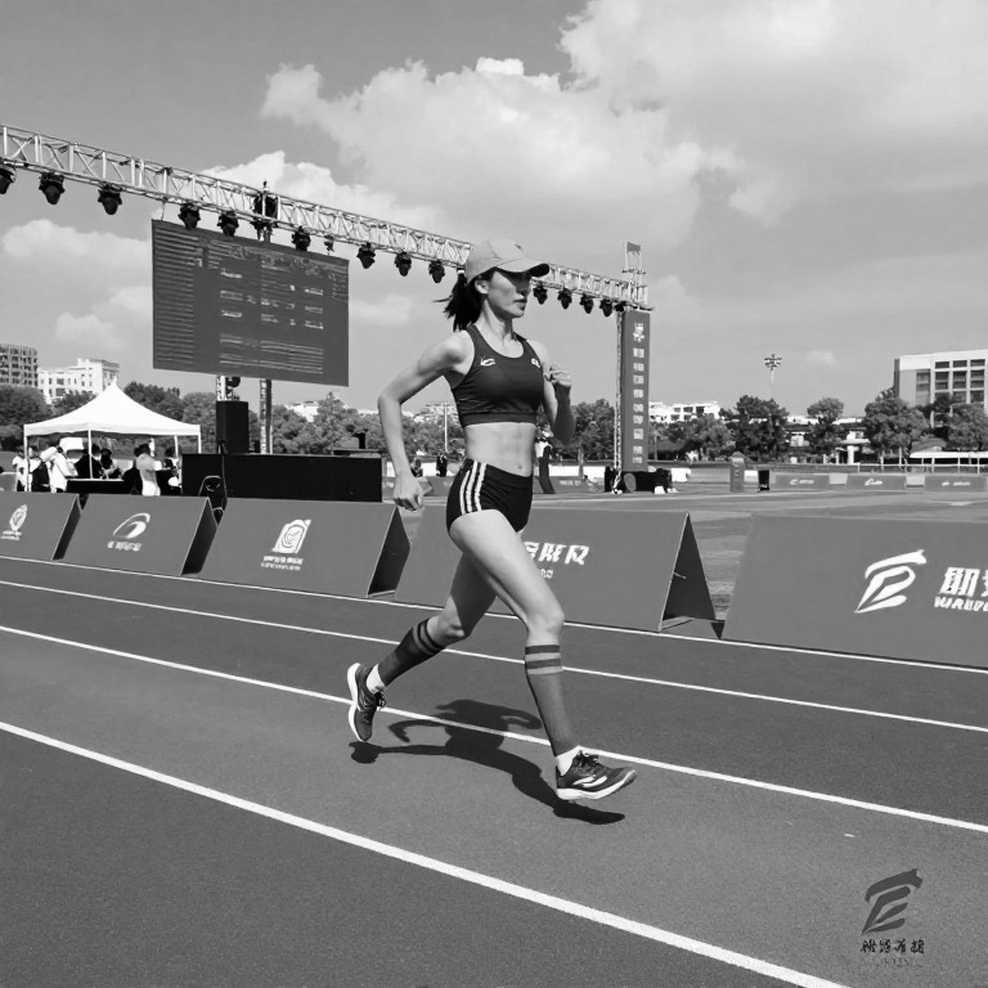
Context: five days, 118 events, four thousand finalists
The event is the 40th All-Island Schools Athletics Championship at Diyagama. According to the organisers' published information, more than 35,000 athletes entered the preliminary rounds, roughly 4,000 reached the finals, competition ran across five days, the programme carried 118 events in four age categories. The edition produced 23 championship records and two Sri Lanka Junior Championship records — figures from the announcement, not independently verified.
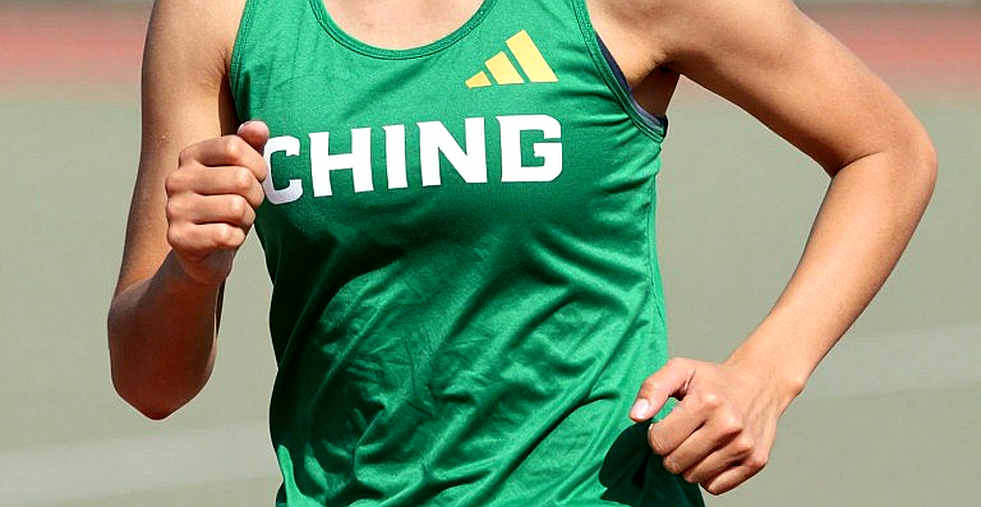
The award list shows a clear MAS Athlete Training Academy presence: six of ten major awards and both overall athlete titles. The names read like this — Kisal Oshadha (14.06, U18, 110m hurdles), Keish Dilshan Kulathunga (14.02, U20, 110m hurdles), Dilni Rajapaksha (12.73m, triple jump, reported as a meet record), Risansa Hirupama (24.23s, 200m). The academy states it provides facilities, support and international coaching expertise, with a residential programme planned for December.
The core: time is measured, conditions are not
Start with the hurdles. Hurdle height differs by age category, which means an U18 14.06 and an U20 14.02 cannot be laid on the same line. A higher barrier means a higher centre of mass, a steeper landing angle, a longer recovery. Anyone who reads the 0.04 seconds as “the U20 athlete is ahead” is subtracting two different events.
Then wind. Record validity in sprints and horizontal jumps depends on the wind reading; the permitted assistance is 2.0 metres per second. The release contains no wind reading at all. In my experience, a maximum-legal tailwind at this age over 110m hurdles is worth roughly a tenth of a second — an estimate, not a measurement. The 0.04-second gap can reverse on wind alone.
Then the triple jump. 12.73 metres is reported as a meet record, with no hop-step-jump distribution, no board distance, no wind. Mechanically, triple jump risk hides in the second and third landings: each touchdown loads a bent knee and ankle on the takeoff leg with repeated large impulses. Elite programmes measure those forces. Schools programmes do not, and nobody counted how many times that leg absorbed them across five days.
Then the 200m. 24.23 seconds is a winning mark with no lane draw, no wind, no reaction time, no first-50-metre split. The bend creates asymmetric loading: the inside leg turns over in shorter steps, the outside leg in longer ones. Handled badly in training, that asymmetry accumulates in the hamstring and adductor.
The largest gap sits in the meet structure. Five days, 118 events, four categories — with no published entry list showing how many events any individual contested or how many hours separated them. The index I built for the 2026 empty-stadium restart — days since last competition, high-speed running volume retained, eccentric hamstring exposure — cannot be applied here, because there is no input. In my work I never ask where it hurt. I ask what changed in the week before it hurt. Nobody here kept the record that would answer it.
The contrarian angle: 23 is the least informative number in the release
A meet record means best in the history of this meet, not a national standard. Add age categories, add events, and records multiply as a matter of arithmetic. Without the breakdown — which events, which athletes, which wind — the total of 23 is a festival indicator, nothing more.

By the same logic, six major awards prove representation, not the health of an entry pathway. How many athletes enrolled, how many were selected in, how many were lost to injury — without those three numbers you cannot separate recruitment from development, and no intake data was published. This is where transfer-market models fail most often: they price potential and ignore the dressing room.
One thing needs saying plainly. A missing wind reading does not make a result suspicious; I am not making that claim. There is no doping information here, no allegation, no sanction. The failure is institutional, not personal. Withholding the conditions of record validity means no reader and no journalist can place these marks against any external benchmark. “No evidence” and “overclaiming” are not the same thing; the first is a documentation failure, the second is an accusation. The distance between them is the job.
Forward look: what December's residential programme will prove
Three things to watch. First, the official result sheets — whether wind readings, age-group event specifications and record ratification conditions are published alongside the marks. Second, whether the December residential programme names its coaches, its duration and its participants; whether local coaches are included decides if the academy's effect travels beyond its own squad. Third, the next meet's marks for these four athletes — that is where a single peak separates from a repeatable standard.
More than 35,000 preliminary entrants is not a small thing in South Asian schools athletics. But a championship that does not measure the wind behind its own records cannot recognise its own best talent either. The question is not how many records fell. The question is whether any of those 23 still stands, in the same wind, three years from now.